
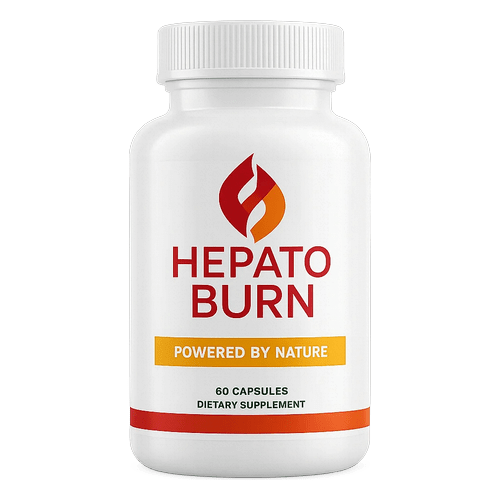
Hepatoburn claims to accelerate weight loss, boost metabolism, detox the liver, suppress appetite, and increase daily energy without dieting or exercise. Promoted through aggressive social media ads, fake-looking news features, and manipulated testimonials, it is presented as a “breakthrough” fat-burning supplement. However, our investigation found deceptive marketing practices, unverifiable ingredients, zero clinical proof, and growing customer complaints, confirming it operates as another Hepatoburn scam targeting individuals desperate for fast weight-loss solutions.

What Is Hepatoburn?
Hepatoburn is promoted as a weight-loss supplement designed to burn fat, boost metabolism, detox the liver, suppress appetite, and increase daily energy. Its marketing relies heavily on social media ads, pop-ups, and sponsored articles featuring dramatic transformation stories, many of which appear fabricated or misleading. The product operates under a generic brand name and an anonymous marketing structure, making it difficult to identify any real manufacturer or verify where it is produced. As a result, confirming the authenticity of its ingredients, dosage accuracy, or the safety standards behind its formulation is nearly impossible.
Claims vs. Reality: Does Hepatoburn Really Work?
The promotional assertions behind Hepatoburn weight loss capsules collapse under factual assessment. Below is a documented comparison between advertising claims and verified investigative findings:
| Claim Made by Hepatoburn | Reality Based on Our Investigation |
|---|---|
| Burns fat rapidly without diet or exercise | No clinical studies validate these weight-loss claims or show fat-burning effectiveness. |
| Detoxifies and cleanses the liver | “Detox” benefits are unproven, and no trials confirm liver-cleansing effects. |
| Suppresses appetite naturally | No appetite-control compounds at effective dosages are verified in the formulation. |
| Boosts metabolism instantly | No controlled metabolic testing exists to substantiate this claim. |
| Provides clean daily energy | Users report no sustained energy improvements beyond initial placebo response. |
| Supports hormonal weight balance | Hormonal regulation cannot be safely achieved via untested supplements. |
| Formulated with 100% natural ingredients | Ingredient disclosures vary across websites, indicating labeling inconsistencies. |
| Completely safe with no side effects | Consumers report nausea, headaches, dizziness, fatigue, digestive issues, and anxiety after use. |
8 Proofs Why Hepatoburn Is a Scam
Our investigation uncovered eight critical warning signs confirming that Hepatoburn, the weight-loss supplement aggressively marketed online, functions as a deceptive scam. The evidence centers on products sold through unofficial sales funnels and cloned promotional websites, rather than legitimate nutrition supplements distributed by regulated, transparent retailers.
1. Impossible Claims and Fake Endorsements: Scam websites claim Hepatoburn can “melt fat fast,” “reset your metabolism,” and “detox your liver” without diet or exercise. Promotional content features fake doctors, scripted testimonials, and deepfake-style videos designed to manufacture trust. None of these endorsements are verifiable, and no real medical experts publicly support the product.
2. Anonymous and Untraceable Manufacturers: The seller behind Hepatoburn provides no legitimate corporate identity. There is no registered company name, physical address, or verified customer support channel. This lack of transparency eliminates consumer accountability and makes refunds or legal recourse nearly impossible.
3. Widespread Customer Complaints of Ineffectiveness: Across neutral platforms like Reddit, Quora, and Trustpilot, customers report no weight loss, no metabolic changes, and no energy improvements after using Hepatoburn. These real-world experiences contradict the marketing hype and confirm the product’s ineffectiveness.
4. Use of Unverified and Potentially Unsafe Ingredients: Hepatoburn’s ingredient lists vary across different websites, indicating labeling inconsistencies. There is no proof of ingredient dosage, purity testing, or quality control. Without batch testing or certification, buyers may be ingesting unknown substances that pose health risks.
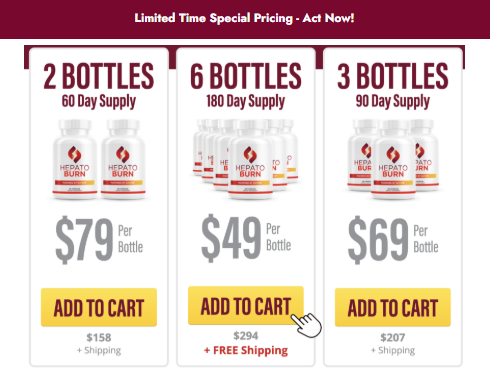
5. Aggressive and Deceptive Marketing Tactics: Hepatoburn scam websites rely on countdown timers, “limited stock” alerts, and massive one-time discounts to pressure purchases. These urgency tactics are classic scam techniques designed to prevent consumers from researching the product before buying.
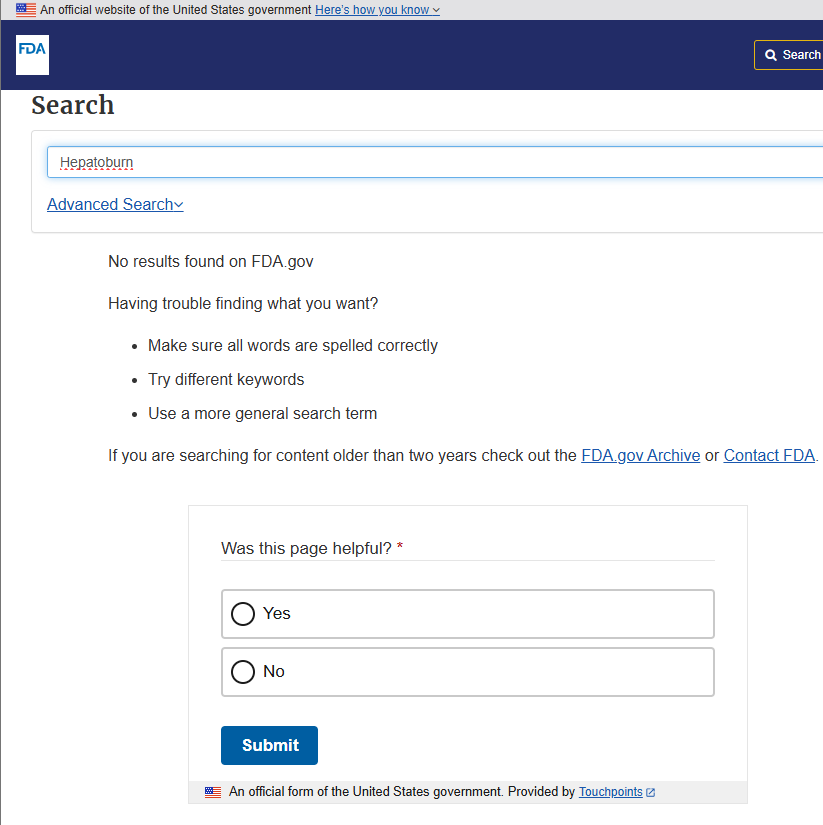
6. No Third-Party Testing or FDA Approval: Legitimate supplements provide lab testing certificates verifying ingredient safety and dosage accuracy. Hepatoburn sellers offer no third-party testing documentation and falsely imply regulatory legitimacy despite the product having zero FDA (Food and Drug Administration) approval or oversight.
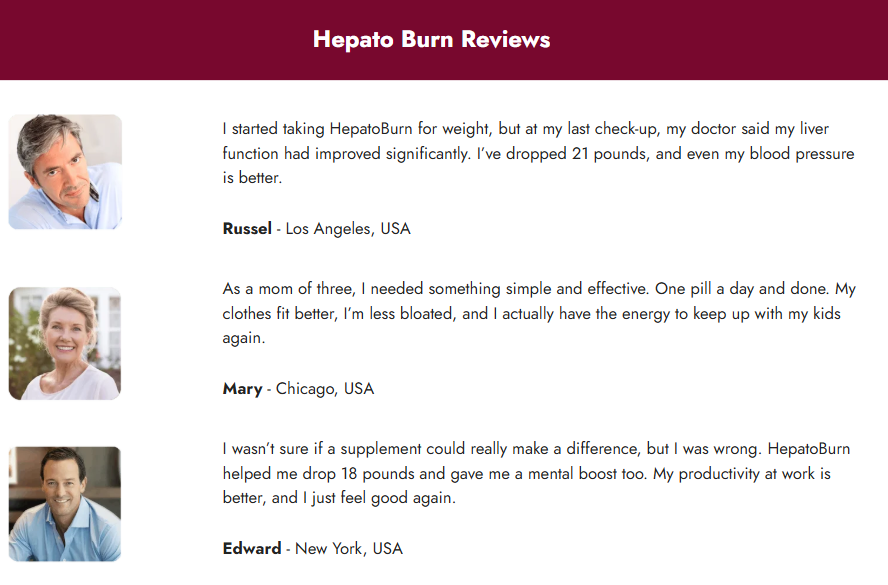
7. Fake Reviews and Manipulated Ratings: Sales pages related to Hepatoburn display nearly perfect ratings with glowing testimonials paired with stock photos or AI-generated profiles. Meanwhile, independent review platforms show mostly negative feedback citing poor results and billing issues, clear signs of manipulated social proof.
8. The Hidden Subscription Trap: Many customers report being unknowingly signed up for auto-billing subscription plans after ordering a discounted trial bottle. Cancellation attempts frequently fail as customer service goes unresponsive, forcing buyers to dispute charges through their banks.
Is Hepatoburn Scam or Legit?
Hepatoburn is a scam. It targets people looking for fast weight loss and metabolism boosts, but the supplement is sold by anonymous sellers with no verifiable manufacturer or corporate information. Its marketing relies on fake endorsements, manipulated reviews, and unverified ingredients, while customers report no visible fat loss, no energy improvement, and side effects such as nausea, headaches, dizziness, bloating, and fatigue. Buying Hepatoburn from unofficial websites carries significant financial and health risks.
What Hepatoburn Lacks vs. What a Legit Supplement Should Have
The contrast between Hepatoburn weight loss supplements and a legitimate weight-loss supplement is clear. Here's a clear comparison:
| Hepatoburn | A Legit Health Supplement |
|---|---|
| No manufacturer details, address, or contact info | Full company transparency with history and verified customer service |
| Uses stock photos and fake testimonials | Backed by real scientific studies and expert opinions |
| No proof of ingredient purity, dosage, or safety | Certified by independent labs for quality and accuracy |
| Promises rapid weight loss and metabolic boosts | Makes realistic claims supported by evidence-based ingredients |
| Mostly fake 5-star reviews on its own website | Genuine reviews (both positive and negative) on neutral platforms |
| Sold through aggressive pop-ups and cloned websites | Available via verified online retailers or official brand websites |
Hepatoburn Complaints and Reviews
To ensure genuine user experiences, we analyzed feedback from neutral platforms like Reddit, Quora, Trustpilot, and consumer complaint boards, avoiding marketing websites entirely for Hepatoburn pills. Most reviews are negative, with users reporting no fat loss, no metabolism boost, side effects, and issues with shipping or unexpected billing. Below are some representative testimonials from real customers:
Samuel Reyes, Canada, Vancouver (Age 28, Male)
Source: Facebook
dude this hepatoburn pills is total scam i bought it hopin to lose some belly fat fast but nothing happened man, still fat n bloated felt tired all day after taking it emails to support just ignored me like wtf reviews online look fake af cant trust this crap money wasted 4 sure
Olivia Bennett, United Kingdom, Manchester (Age 39, Female)
Source: Reddit
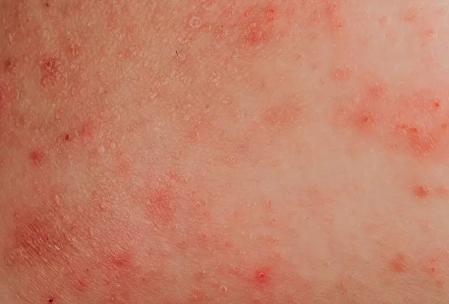
hepatoburn pills is joke i took it for 2 weeks nothing changed my weight still same felt dizzy n kinda nauseous i got minor rashes as well sumtimes support team useless website sketchy ads everywhere lying bout miracle fat loss total waste of cash honestly dont even bother with this fake product
Carlos Mendez, Australia, Sydney (Age 45, Male)
Source: Twitter/X
Hepatoburn capsules did nothing bro i thought it gonna boost my metabolism but felt weak n tired all day stomach hurt sometimes tried to reach support no reply all those 5 star reviews fake as hell dont waste ur money like i did scam alert
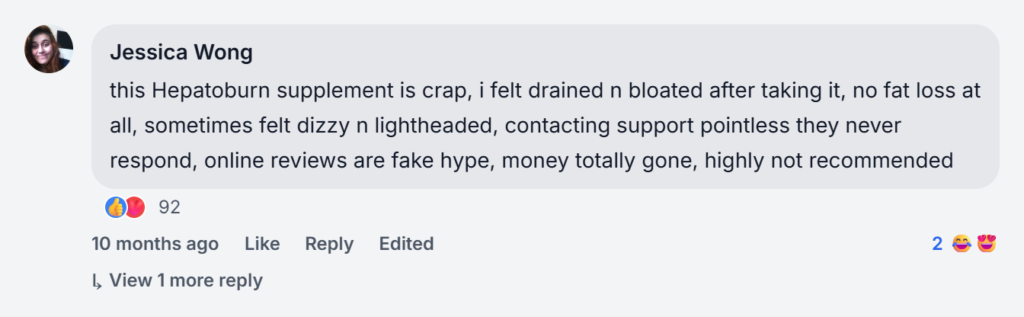
Jessica Wong, United States, New York (Age 36, Female)
Source: Facebook
Megan Smith, Australia, Melbourne (Age 38, Female)
Source: Facebook
Hepatoburn pills r total garbage took for 3 weeks n nothing happened felt tired n kinda dizzy stomach upset sumtimes tried to ask for refund support ignored me all online reviews fake ads lying like crazy feel cheated dont fall for this scam
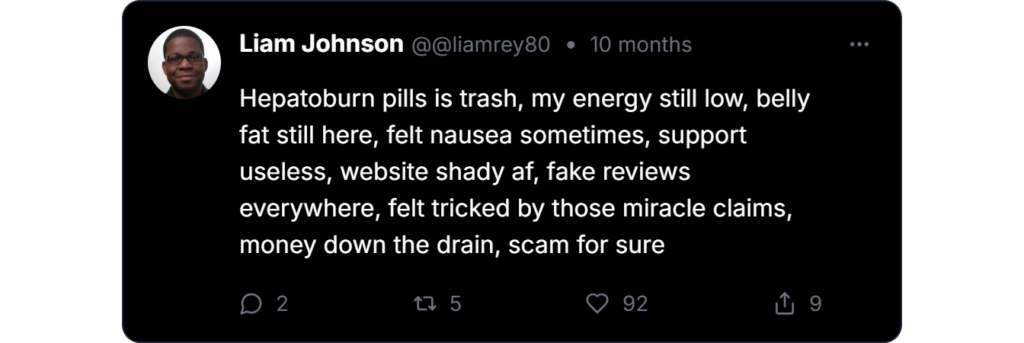
Liam Johnson, United Kingdom, London (Age 40, Male)
Source: Twitter/X
Hepatoburn Ingredients – Inside the Product
The most concerning aspect of Hepatoburn supplements are its unverified and potentially unsafe formula. While advertised as a natural weight-loss and metabolism-boosting supplement, there is no transparency, inconsistent labeling, and no third-party testing. Consumers are essentially taking a mystery product with unknown dosages, purity, or effectiveness.
- Milk Thistle: Claimed to detox the liver; actual concentration is unknown.
- Green Tea Extract: Promoted for metabolism support; dosage and purity are unclear.
- Turmeric: Marketed for fat-burning and anti-inflammatory benefits; amount is unverified.
- Dandelion Root: Claimed to aid digestion and detox; potency is unknown.
- Ginger Root: Marketed to boost energy and reduce bloating; dosage unclear.
- Artichoke Extract: Promoted for liver health; purity is unconfirmed.
- Cayenne Pepper: Claimed to accelerate fat loss; concentration and safety are unknown.
Hepatoburn Ratings
The ratings for Hepatoburn capsules are misleading and unreliable. High scores on promotional websites are fabricated, while independent platforms reveal the product’s connection to scam-like practices.
| Website | Rating | Reliability |
|---|---|---|
| Trustpilot | 1.9 / 5 | Unreliable. Few verified reviews; most report no weight loss or side effects. |
| Amazon/Walmart | N/A | Reliable. Not widely sold on major platforms; authentic reviews are scarce. |
| BBB | F | Reliable. Anonymous companies with complaints and deceptive practices receive failing grades. |
| Official Website | 4.8 / 5 | Fake. Curated, overly positive testimonials; negative feedback blocked. |
Hepatoburn Scam Risk Score
To assess its danger, Hepatoburn vitamins was evaluated across five critical metrics. Scores indicate it is extremely high-risk, confirming the product is likely fraudulent and unsafe.
| Metric | Risk Score (out of 10) | How We Rated It |
|---|---|---|
| Unverified Claims | 10/10 | Uses fake endorsements and baseless claims of rapid fat loss and metabolism boost. |
| Ingredient Transparency | 10/10 | Formula is unverified; no proof of ingredient presence, dosage, or purity. |
| Customer Complaints | 9/10 | Reviews report no results, side effects, and billing or shipping issues. |
| Manufacturer Transparency | 10/10 | Anonymous company hides identity and avoids accountability. |
| Marketing Honesty | 10/10 | Relies on fake reviews, false scarcity tactics, and aggressive pop-up ads. |
| Overall Scam Risk Score | 9.8 / 10 | Extremely High Risk |
Fake Hepatoburn Websites
Multiple fraudulent websites promote Hepatoburn supplements. These often mimic legitimate health portals and use high-pressure sales tactics to deceive consumers.
| Website URL Types | Warning Signs / Notes |
|---|---|
| Fake “News” Articles | Look like news reports but are paid ads with affiliate links. |
| Affiliate “Review” Blogs | Glowing, biased reviews written to earn commissions, not provide accurate info. |
| “Official” Sales Pages | Aggressive marketing, countdown timers, no company or contact info. |
| Social Media Ad Links | Fake claims, exaggerated benefits, or celebrity endorsements redirecting to scam pages. |
How We Investigated Hepatoburn
Our investigation into Hepatoburn weight loss capsules followed a systematic approach to uncover the truth behind its deceptive marketing.
Analyzing Website Infrastructure: We examined domain registrations and found anonymous websites with privacy protection, often hosted on servers linked to questionable operations.
Scrutinizing Marketing Funnels: We traced the path from social media ads to checkout pages, noting fake endorsements, countdown timers, and false scarcity tactics designed to pressure buyers.
Verifying Claims Against Research: Hepatoburn claims to burn fat, boost metabolism, and detox the liver. Comparison with scientific studies revealed no credible evidence supporting these claims.
Aggregating Consumer Feedback: Ignoring testimonials on official sites, we reviewed neutral platforms like Reddit, Quora, and Trustpilot, uncovering overwhelmingly negative experiences.
Checking Retail Presence: Hepatoburn is mostly absent from major retailers like Amazon and Walmart, suggesting sellers are avoiding public scrutiny and accountability.
How to Identify Scam Supplements Like Hepatoburn
Watch for these warning signs to avoid deceptive products like Hepatoburn supplements:
Promises of Instant Weight Loss: Legitimate supplements work gradually; beware of claims of rapid results.
Anonymous or Untraceable Company: No verified manufacturer, address, or contact info is a red flag.
No Third-Party Testing: Trusted brands provide lab certifications; scammers hide this information.
Fake Endorsements and Pressure Tactics: Be cautious of fake doctors, celebrity endorsements, countdown timers, and “limited stock” alerts.
Exclusive Sales on Private Websites: Fraudulent supplements are often sold only through pop-ups or cloned sites, avoiding reputable retail platforms.
Hepatoburn Side Effects
Hepatoburn contains unverified ingredients, so side effects can be unpredictable and potentially harmful:
- Nausea, digestive upset, or bloating from unknown dosages
- Headaches, dizziness, or fatigue
- Allergic reactions or skin irritation from undeclared compounds
- Possible interactions with prescription medications or health conditions
- Mood changes, irritability, or low energy due to unknown ingredients
Hepatoburn Refund Process
Do not rely on the seller’s customer service, as it is often fake. To protect yourself and attempt recovery:
- Report the purchase as fraudulent through your credit or debit card provider
- Keep all records: website URL, receipts, and screenshots of misleading claims
- Request a chargeback, citing a fraudulent product
- Report the scam to the FTC or your local consumer protection agency
- Ask your bank to block the merchant to prevent future charges
Final Verdict: Is Hepatoburn Worth It?
No, Hepatoburn is not worth it. The product is a dangerous scam that puts both your money and health at risk. Buyers are likely to receive an ineffective or potentially harmful supplement from an untraceable seller. Only consider supplements from reputable brands with verified ingredients, clear manufacturer information, and real customer reviews on trusted retail platforms.
Frequently Asked Questions (FAQ)
How do I know if Hepatoburn is real?
Genuine weight-loss supplements come from verifiable brands sold on major retail sites. If you’re buying from a social media ad, pop-up, or high-pressure website, it’s likely a scam.
What are the side effects of Hepatoburn?
Reported side effects include nausea, digestive upset, headaches, dizziness, fatigue, bloating, and allergic reactions. Unverified ingredients make counterfeit versions even more dangerous.
Is Hepatoburn safe to use?
Safety cannot be confirmed because the ingredients and dosages are unverified. Counterfeit or unregulated versions are particularly unsafe. Always consult a healthcare professional before taking any supplement.
Has anyone used Hepatoburn? What were the results?
Reviews from independent platforms show users experienced no fat loss, no metabolism boost, and often reported side effects and frustration.
Is Hepatoburn approved by the FDA?
No. Hepatoburn has no FDA approval and is not subject to the rigorous testing required for prescription products.
Where can I buy the real Hepatoburn?
There is no verified source for a legitimate product. Avoid third-party sellers or links from ads. Stick to supplements from trusted brands with transparent company information.
Are there fake Hepatoburn websites?
Yes. Many sites mimic official sellers, using fake discounts, countdown timers, and stock images to appear credible. These are scams designed to steal money.
Does Hepatoburn really work for weight loss?
No credible evidence supports its effectiveness. Users of unverified or counterfeit versions report no fat loss, energy boost, or metabolism improvement.
Who makes Hepatoburn?
The manufacturer is anonymous and untraceable, with no verified company or production details.
How can I avoid Hepatoburn scams online?
Ignore social media ads with huge discounts or pressure tactics. Stick to supplements from verified brands sold through official websites or trusted retailers.
Are there real customer reviews for Hepatoburn?
Most positive reviews online are manipulated. Genuine experiences on platforms like Reddit, Quora, and Trustpilot report ineffectiveness and negative side effects.
Sources
- Kim, J., Kim, E.K., Kim, Y.S., et al. (2016) ‘Therapeutic effect of high-dose green tea extract on weight reduction’, Clinical Nutrition, 35(3), pp. 608-614. Available at: https://pubmed.ncbi.nlm.nih.gov/26093535/
- Jabbour, G., Iancu, H.D., Iancu, T. (2022) ‘The effects of caffeine intake on weight loss: a systematic review and meta-analysis’, Critical Reviews in Food Science and Nutrition, 62(3), pp. 665-672. Available at: https://pubmed.ncbi.nlm.nih.gov/30335479/
- Onakpoya, I., Hung, S.K., Perry, R., Wider, B., Ernst, E. (2011) ‘The use of Garcinia extract (hydroxycitric acid) as a weight loss supplement: a systematic review and meta-analysis of randomised clinical trials’, Journal of Obesity, 2011, Article ID 509038. Available at: https://pmc.ncbi.nlm.nih.gov/articles/PMC3010674/
- Heymsfield, S.B., Allison, D.B., Vasselli, J.R., Pietrobelli, A., Greenfield, D., Nunez, C. (1998) ‘Garcinia cambogia (hydroxycitric acid) as a potential antiobesity agent: a randomized controlled trial’, JAMA, 280(18), pp. 1596-1600. Available at: https://jamanetwork.com/journals/jama/fullarticle/188147
- Sarma, D.N., Barrett, M.L., Chavez, M.L., Gardiner, P., Ko, R., Mahady, G.B., et al. (2016) ‘Safety of green tea extracts: A systematic review by the US Pharmacopeia’, Drug Safety, 39(8), pp. 731-751. Available at: https://pubmed.ncbi.nlm.nih.gov/27272490/

Dr. James Thornton is an endocrinologist with extensive expertise in hormonal health, thyroid disorders, and metabolic conditions. He earned a Doctorate in Public Health (DrPH) from Harvard University and completed his clinical fellowship in Endocrinology at Massachusetts General Hospital. With over 15 years of practice, Dr. Thornton has served as a Senior Health Analyst on the FDA Advisory Board, evaluating supplement safety and metabolic health claims. He has also written extensively on misleading supplement marketing, helping consumers understand the risks associated with unregulated products.