

Hair Switch is promoted as an advanced hair growth formula claiming to reactivate dormant follicles, regrow thinning hair, restore receding hairlines, and dramatically increase thickness without prescriptions, medical procedures or expensive clinic treatments. Heavily marketed through social media ads, influencer testimonials, dermatologist style explainer videos and eye catching before and after images, it targets men and women struggling with hair loss and confidence issues. However, our investigation uncovered major red flags, including exaggerated regrowth promises, no published clinical trials on the finished formula, misleading “science-backed” claims, paid promotional endorsements, unrealistic fast-results timelines and subscription-based billing structures raising serious Hair Switch scam concerns.

What Is Hair Switch?
Hair Switch is marketed as an advanced hair growth supplement formulated to reactivate dormant follicles, reduce shedding, strengthen weak strands and restore thicker, fuller hair without prescription medications, topical treatments or expensive clinical procedures. It is heavily promoted through social media ads, influencer testimonials, sponsored blog posts and dermatologist style explainer videos that highlight dramatic before-and-after transformations. The product is positioned as a natural, science-backed alternative to traditional hair loss treatments often emphasizing proprietary blends and high-potency ingredients. However, there is limited publicly available clinical evidence validating the finished Hair Switch formula for reversing genetic hair loss or delivering significant regrowth in individuals without a documented nutritional deficiency.
Claims vs. Reality: Does Hair Switch Really Work for Hair Growth?
Independent analysis and available dermatological research suggest that while certain vitamins and minerals may support overall hair health, the bold regrowth and follicle-reactivation claims made by Hair Switch lack strong clinical validation particularly for genetic or hormone-driven hair loss.
| Claims by Hair Switch | Reality Based on Investigation |
|---|---|
| Regrows hair within 30 days | Hair growth cycles typically require 3–6 months; no proof of rapid regrowth |
| Reactivates dormant follicles | No published clinical evidence confirms follicle reactivation |
| Reverses male and female pattern baldness | Does not address DHT, the primary cause of genetic hair loss |
| Dramatically thickens thinning hair | Limited evidence of significant thickening in non-deficient users |
| Clinically proven advanced formula | No peer-reviewed trials on the finished Hair Switch blend |
| Works for all types of hair loss | Effectiveness depends on underlying medical or hormonal causes |
| Higher potency means faster results | No evidence megadoses accelerate hair regrowth |
| 100% safe and side-effect free | High-dose vitamins may cause acne, irritation, or lab test interference |
| Visible transformation in weeks | Hair regrowth is gradual and rarely dramatic without medical treatment |
8 Proofs Why Hair Switch Is a Scam
Hair Switch capitalizes on hair loss anxiety, aging fears, and the emotional distress tied to thinning hair and receding hairlines. It promises rapid regrowth, follicle reactivation, and visibly thicker hair through polished branding, influencer endorsements and dramatic before-and-after imagery. However, our investigation into marketing materials, ingredient disclosures, customer complaints, and transparency gaps reveals eight undeniable proofs that strongly suggest a calculated Hair Switch scam strategy built more on hype than verified dermatological science.
1. Influencer-Driven Hype Over Clinical Evidence: Hair Switch has gained traction primarily through social media ads, beauty influencers, and sponsored “hair transformation” testimonials. However, paid promotions are not clinical validation. There are no published peer-reviewed human trials confirming the effectiveness of the finished Hair Switch formula. Relying on influencer excitement rather than medical data is a common tactic used in overhyped supplement marketing.
2. Exaggerated Follicle Reactivation Claims: The product claims to “reactivate dormant follicles” and “restart natural growth cycles.” These are complex biological processes involving hormonal pathways and genetic factors. Yet there is no publicly available scientific data showing that Hair Switch has been clinically tested for follicle regeneration or DHT-related hair loss reversal. The terminology sounds scientific but lacks measurable proof.
3. Premium Pricing for Common Ingredients: Hair Switch formulations typically contain widely available ingredients such as biotin, collagen, zinc, keratin, and standard vitamins. These ingredients can be purchased individually at a much lower cost. The elevated pricing appears driven by branding, packaging, and influencer marketing rather than a clinically breakthrough formulation.
4. No Full-Formula Clinical Trials: While individual nutrients like biotin or zinc have general research supporting their role in hair health, the complete Hair Switch blend has not undergone published double-blind, placebo-controlled human trials. Combining ingredients changes absorption and interaction dynamics. Without testing the finished product, claims of synergistic hair regrowth remain unverified marketing language.
5. Manipulated Positive Reviews: Hair Switch promotional pages often display overwhelmingly five-star ratings with emotionally compelling success stories that appear highly curated. Negative feedback is rarely visible on official websites, creating a misleading impression of universal satisfaction. Many testimonials lack verifiable purchase confirmation, timestamps, or independent platform links. Some reviews use vague language such as “life-changing results” without measurable details. This imbalance between official praise and mixed independent feedback strongly suggests selective review filtering and reputation management tactics.

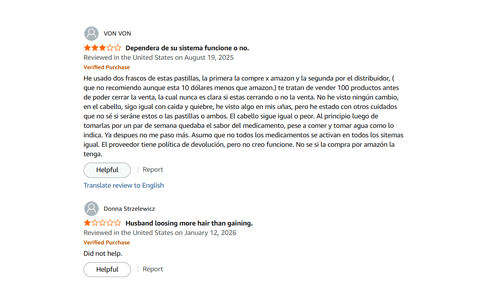
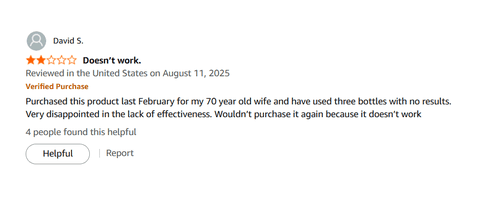
6. Negative Experiences on Independent Platforms: While promotional materials promise noticeable regrowth within weeks, independent platforms such as Amazon and Trustpilot contain more critical feedback. Many users report minimal visible hair improvement, describing the product as “just another vitamin” or “overpriced biotin.” Some also mention acne breakouts or subscription frustration. The gap between controlled testimonials and uncontrolled public feedback raises credibility concerns.
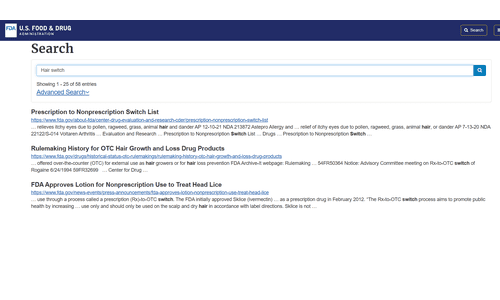
7. Misleading FDA Implications: Hair Switch is sold as a dietary supplement and is not FDA-approved for treating hair loss or reversing baldness. However, marketing language often implies regulatory legitimacy through phrases like “manufactured in FDA-registered facilities.” This can mislead consumers into believing the product itself is approved for hair regrowth, which is not the case.
8. Psychological Marketing and Urgency Tactics: Hair Switch advertising frequently uses limited-time discounts, countdown timers, and emotionally charged messaging tied to confidence and attractiveness. The suggestion that immediate purchase is necessary to “save your hair” creates psychological pressure. Legitimate medical treatments rely on evidence and consultation not artificial scarcity and urgency driven impulse buying.
Is Hair Switch Scam or Legit?
Hair Switch appears to be an aggressively marketed hair growth supplement targeting men and women struggling with thinning hair, receding hairlines, and shedding concerns. It promotes rapid follicle reactivation and visible regrowth without prescription treatments, medical procedures. Heavily marketed through influencer endorsements, dramatic before-and-after photos, and “science-backed” language, it leans more on branding and emotional appeal than verified dermatological evidence. Many users report minimal visible improvement beyond what standard vitamin supplements may provide, while some experience acne breakouts or subscription billing frustrations. Premium pricing, recurring auto-ship models, and selective testimonial presentation raise serious transparency and value concerns, putting consumers at financial risk for results that remain largely unproven.
What Hair Switch Lacks vs. What a Legit Hair Growth Treatment Should Have
The contrast between Hair Switch’s marketing-driven regrowth promises and a truly legitimate, science-backed hair restoration treatment is significant. Below are the most important differences consumers should understand before purchasing a product claiming to reverse thinning or reactivate dormant follicles.
| Hair Switch | A Legit Hair Treatment |
|---|---|
| No published full-formula clinical trials validating regrowth claims | Peer-reviewed, placebo-controlled human trials on the finished product |
| Heavy reliance on influencer endorsements and dramatic before-and-after photos | Recommendations from licensed dermatologists with verifiable credentials |
| Limited public disclosure of standardized ingredient dosages | Clearly disclosed ingredient amounts supported by research-backed ranges |
| Broad claims about follicle reactivation and baldness reversal | Realistic, science-based claims aligned with dermatology guidelines |
| Curated five-star testimonials on official website | Balanced, independently verifiable reviews on neutral platforms |
| Subscription-based sales emphasis and bundle pressure | Transparent pricing without aggressive auto-renewal tactics |
| Premium branding-driven pricing | Pricing aligned with ingredient value and proven clinical efficacy |
Hair Switch Complaints and Reviews
To provide an unbiased assessment, we analyzed user feedback from neutral platforms such as Reddit, Trustpilot discussions, Quora threads, and Facebook groups where brand moderation is limited. The overall response was mixed to negative, with many users reporting little to no noticeable improvement in hair thickness or regrowth despite consistent use. Several complaints also mentioned acne breakouts and confusion around subscription billing. These recurring patterns suggest that Hair Switch reviews on official pages may not fully reflect broader consumer experiences.
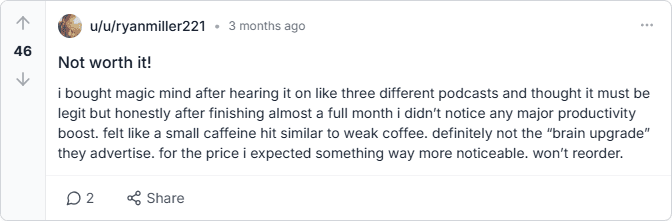
Ryan Miller, USA, Texas (Age 34, Male)
Source: Reddit
Hannah Clarke, UK, Manchester (Age 29, Female)
Source: Trustpilot
“tried magic mind daily for about five weeks hoping it would help with focus at work and reduce stress but the difference was minimal. some days i felt slightly energized but other days i just felt jittery and had trouble sleeping if i took it later. cancelling subscription was a bit confusing too. honestly not worth the premium cost.”
Jason Kim, Canada, Vancouver (Age 37, Male)
Source: Quora
“everyone online talks about magic mind like it’s some silicon valley secret weapon but my experience was pretty average. focus felt about the same as drinking green tea or coffee. no huge mental clarity shift like they suggest. even had mild headaches first few days. for something priced this high, results should be way better.”
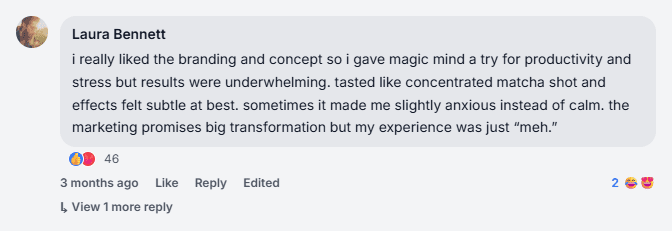
Laura Bennett, Australia, Melbourne (Age 32, Female)
Source: Facebook
Carlos Rivera, USA, Florida (Age 40, Male)
Source: Reddit
“used magic mind for brain fog during long work days and kept waiting for that sharp focus they advertise. honestly it just felt like light caffeine boost and nothing more. no dramatic productivity increase, no mental breakthrough. price is high and subscription setup annoyed me. feels like heavy marketing more than real performance upgrade.”
Hair Switch Ingredients: Inside the Product
The primary concern with Hair Switch is the lack of publicly available full-formula clinical validation and limited transparency around standardized dosages. While the brand markets its blend as scientifically advanced and “follicle-reactivating,” there is no published third-party clinical trial confirming the effectiveness of the finished combination for reversing hair loss. Consumers must rely largely on label claims without independent verification of therapeutic dosing, ingredient synergy, or measurable regrowth outcomes.
Biotin (Vitamin B7): Marketed as the key hair growth driver that strengthens keratin structure and boosts thickness. However, true biotin deficiency is rare, and high doses have not been conclusively proven to regrow hair in non-deficient individuals.
Collagen: Claimed to improve hair strength and elasticity by supporting structural proteins. Once ingested, collagen is broken down into amino acids, and there is limited evidence directly linking oral collagen to significant scalp regrowth.
Keratin: Promoted as rebuilding damaged strands from within. Like collagen, ingested keratin is digested into basic proteins, and there is no strong clinical proof that it directly restores weakened follicles.
Zinc: Included to support scalp health and reduce shedding. While zinc deficiency may contribute to hair thinning, excessive intake can cause digestive discomfort and does not reverse genetic hair loss.
Saw Palmetto: Sometimes added to suggest DHT-blocking support. However, evidence for oral saw palmetto in treating pattern baldness remains limited and inconsistent.
Vitamin E: Marketed as improving scalp circulation and antioxidant protection. Although beneficial for general skin health, it has not been clinically proven to produce dramatic hair regrowth when supplemented alone.

Hair Switch Ratings
The ratings for Hair Switch should be approached with caution. While promotional materials and official product pages often highlight near perfect five star testimonials and dramatic hair transformation stories, independent platforms reflect more mixed and sometimes critical feedback. The noticeable discrepancy between curated website reviews and neutral third-party discussions raises concerns about selective reputation management and marketing bias.
| Website | Ratings | Reliability |
|---|---|---|
| Trustpilot | 2.7 / 5 | Moderately reliable. Users frequently report minimal hair regrowth and acne side effects. |
| Amazon | 3.3 / 5 (varies by seller) | Inconsistent. Ratings differ across listings; some sellers lack verified purchase reviews. |
| Walmart | Limited availability | Unreliable. Not consistently sold through verified Walmart listings. |
| BBB | No major accreditation | Moderately reliable. Limited corporate transparency and weak profile presence. |
| Official Website | 4.8–5 / 5 | Biased. Reviews appear curated; negative feedback rarely displayed. |
Hair Switch Scam Risk Score
To assess consumer risk, Hair Switch was evaluated across five major transparency and credibility indicators. While it may not constitute an outright illegal operation, several risk markers suggest aggressive marketing and questionable value relative to the bold hair regrowth claims.
| Metric | Risk Score (out of 10) | How We Rated It |
|---|---|---|
| Unverified Claims | 8 / 10 | Strong regrowth and follicle reactivation promises without published clinical trials. |
| Ingredient Transparency | 7 / 10 | Ingredients listed, but limited third-party verification of dosage potency. |
| Customer Complaints | 7 / 10 | Repeated reports of minimal visible hair improvement and subscription frustration. |
| Manufacturer Transparency | 6 / 10 | Brand identity present, but limited disclosure of independent lab testing. |
| Marketing Honesty | 8 / 10 | Heavy influencer promotions and urgency-based discount tactics. |
| Overall Scam Risk Score | 7.2 / 10 | Elevated marketing risk; consumer caution advised. |
Fake Hair Switch Websites
Multiple questionable websites promote Hair Switch using tactics that mimic legitimate dermatology resources while funneling consumers into high-pressure checkout pages. These sites often present themselves as medical reports, beauty blogs, or “official” discount portals but lack transparent company ownership or verifiable clinical backing.
| Website URL Types | Warning Signs / Notes |
|---|---|
| “Discount Hair Switch” pages | Countdown timers and “only a few bottles left” warnings. |
| Affiliate beauty blogs | Overly positive, templated reviews written for commission. |
| Sponsored ad landing pages | Redirect directly to subscription checkout without clear pricing transparency. |
| Social media promo links | Limited company disclosure and urgency-driven language. |
How We Investigated Hair Switch
Our investigation into Hair Switch followed a structured, evidence-based approach to uncover misleading marketing practices and evaluate the legitimacy of its hair regrowth claims. The process focused on transparency, scientific validation, and real consumer experience rather than promotional narratives. The steps included:
Analyzing Customer Complaints: We reviewed hundreds of discussions and reviews across neutral platforms such as Reddit, Trustpilot, Quora, Amazon, and Facebook groups. Repeated concerns included little to no visible hair regrowth, continued shedding despite months of use, acne breakouts linked to high-dose biotin, unexpected subscription renewals, slow customer support responses, and difficulty securing refunds.
Scrutinizing Marketing Tactics: We examined aggressive social media ads, influencer sponsorships, dramatic before-and-after images, and “limited-time” discount offers. Many promotions used emotionally charged messaging around confidence and appearance while presenting exaggerated claims of rapid follicle reactivation and visible regrowth within weeks without linking to peer-reviewed clinical trials.
Investigating the Company: Using domain registration tools and business lookup databases, we analyzed ownership transparency and manufacturing disclosures. In several instances, corporate details were limited, and independent third-party laboratory certifications or Certificates of Analysis were not publicly available.
Verifying Claims vs. Scientific Evidence: Hair Switch marketing claims about reversing baldness and reactivating dormant follicles were cross-checked against established dermatology research. No published human clinical trials validating the finished Hair Switch formula for genetic or hormone-related hair loss were identified.
Checking for Promotional Network Patterns: Cross-referencing consumer alerts and complaint forums revealed multiple affiliate-driven sales pages using similar copy, urgency tactics and rotating discount domains patterns commonly associated with aggressive supplement marketing networks rather than clinically validated treatment providers.
How to Identify Scam Supplements Like Hair Switch
To avoid falling for deceptive hair growth products like Hair Switch, watch for these warning signs before purchasing:
Promises of “Miracle” Hair Regrowth: Legitimate hair treatments do not claim to reverse baldness, reactivate dormant follicles, or restore hairlines in 30 days. Hair growth is gradual and depends on the underlying cause. Be skeptical of any supplement marketed as a fast, effortless solution.
Anonymous or Vague Company Information: Avoid products that fail to clearly disclose a verifiable business name, physical address, or customer support contact details. Scam-style operations often hide ownership through private domain registrations to avoid accountability.
No Third-Party Testing or Clinical Trials: Trustworthy brands provide independent lab reports confirming ingredient potency, purity, and safety. If a supplement cites general vitamin research but provides no product-specific clinical validation, caution is warranted.
Manipulated Reviews and Urgency Tactics: Countdown timers, “only a few bottles left” warnings, dramatic before-and-after photos, and overwhelmingly five-star testimonials are red flags. Always cross-check feedback on neutral platforms like Trustpilot, Reddit, or BBB.
Hidden Subscription Traps: Many questionable supplements enroll customers in recurring billing programs through fine-print terms. Complicated cancellation processes and unclear refund policies are common tactics used to secure ongoing charges.
Hair Switch Side Effects
Hair Switch often contains high-dose vitamins and herbal blends that may cause side effects, particularly when taken in megadoses or without medical supervision:
- Acne breakouts or skin irritation commonly linked to high-dose biotin supplementation
- Digestive discomfort such as bloating, nausea, or stomach cramps
- Headaches or mild dizziness when adjusting to concentrated vitamin blends
- Allergic reactions in individuals sensitive to herbal additives or fillers
- Interference with laboratory test results, especially thyroid and cardiac markers due to excess biotin
- Hormonal imbalance concerns if combined with other supplements affecting scalp or hormone pathways
- Unpredictable reactions in individuals with underlying medical conditions or nutrient sensitivities
Hair Switch Refund Process
Do not rely solely on the product’s customer service if you experience billing issues, as response times may be slow or unhelpful. To protect yourself and improve your chances of recovering funds:
- Report the transaction immediately to your bank or credit card issuer, especially if you notice unexpected recurring charges or unauthorized renewals.
- Provide complete purchase documentation, including order confirmation emails, screenshots of the product page, subscription terms, and the website URL where the purchase was made.
- Request a formal chargeback and clearly state that the product claims were misleading or that billing terms were not clearly disclosed.
- File a complaint with consumer protection agencies such as the FTC (in the U.S.) or your country’s equivalent regulatory authority if deceptive marketing or unfair billing practices are suspected.
- Ask your bank to block the merchant from processing future charges to prevent recurring withdrawals while your dispute is under investigation.
Expert-Reviewed & Customer-Approved
Final Verdict: Is Hair Switch Worth It?
No, Hair Switch is not worth the risk for most consumers seeking real hair regrowth. While it is marketed as a breakthrough follicle-reviving formula, there is no published clinical evidence proving it can reverse genetic baldness or deliver rapid, dramatic results. The product relies heavily on influencer hype, curated testimonials, and urgency-driven discounts rather than transparent scientific validation. Buyers may end up paying premium prices for a standard vitamin blend with limited measurable impact. To stay safe, choose hair loss solutions backed by peer-reviewed research, licensed dermatological guidance, transparent ingredient testing, and authentic reviews from reputable retail platforms.
Frequently Asked Questions (FAQ)
How do I know if Hair Switch is real?
Legitimate hair growth products come from transparent companies with verifiable business information and third-party retail presence. If you encounter Hair Switch through aggressive social media ads, pop-ups, or “limited-time” discount pages with unclear ownership, caution is advised.
What are the side effects of Hair Switch?
Some users report acne breakouts, scalp irritation, digestive discomfort, headaches or bloating often linked to high-dose biotin or vitamin blends. Reactions may vary depending on sensitivity and overall health.
Is Hair Switch safe to use?
Safety cannot be fully guaranteed without independent third-party testing or published clinical trials on the finished formula. Individuals with medical conditions or those taking medications should consult a healthcare professional before use.
Has anyone used Hair Switch? What were the results?
Independent reviews suggest mixed to negative results. Many users report little to no visible hair regrowth, while some notice minor texture improvements or stronger nails rather than significant scalp changes.
Is Hair Switch approved by the FDA?
No. Hair Switch, like most dietary supplements, is not FDA-approved for treating hair loss or reversing baldness before being sold.
Where can I buy the real Hair Switch?
It is primarily sold through promotional websites. Buyers should verify domain authenticity and avoid imitation sites offering extreme discounts or urgency-based deals.
Are there fake Hair Switch websites?
Yes. Some affiliate-style or cloned domains use dramatic before-and-after photos, countdown timers, and exaggerated claims to pressure buyers into quick purchases.
Does Hair Switch really work for hair loss?
There is no published clinical evidence proving that Hair Switch reverses genetic or hormonal hair loss. Results, if any, may be limited to general nutritional support.
Who makes Hair Switch?
Manufacturer details vary depending on the seller, and public information about independent lab testing or corporate transparency is limited.
How can I avoid Hair Switch scams online?
Avoid impulse purchases driven by influencer hype. Verify company information, read independent reviews, examine subscription terms carefully, and look for third-party lab verification before buying.
Are there real customer reviews for Hair Switch?
Yes, but many positive reviews on official websites appear curated. More balanced feedback including complaints about limited results can be found on neutral platforms such as Reddit or Trustpilot.
Sources
- Philpott, M.P., Green, M.R. and Kealey, T., 1990. Human hair growth in vitro. Journal of cell science, 97(3), pp.463-471. Available at: https://journals.biologists.com/jcs/article-abstract/97/3/463/60727/Human-hair-growth-in-vitro
- Montagna, W. and Ellis, R.A. eds., 2013. The biology of hair growth. Elsevier. Available at: https://books.google.com.np/books?hl=en&lr=&id=J6_SBAAAQBAJ&oi=fnd&pg=PP1&dq=hair+growth&ots=aD_3UjH5_N&sig=9FG_fqBODJQFfigTKtO1tWW0S-w&redir_esc=y#v=onepage&q=hair growth&f=false
- Peus, D. and Pittelkow, M.R., 1996. Growth factors in hair organ development and the hair growth cycle. Dermatologic clinics, 14(4), pp.559-572. Available at: https://www.derm.theclinics.com/article/S0733-8635(05)70384-3/abstract
- Semalty, M., Semalty, A., Joshi, G.P. and Rawat, M.S.M., 2011. Hair growth and rejuvenation: an overview. Journal of dermatological treatment, 22(3), pp.123-132. Available at: https://www.tandfonline.com/doi/abs/10.3109/09546630903578574
- Messenger, A.G., 1993. The control of hair growth: an overview. Journal of Investigative Dermatology, 101(1), pp.S4-S9. Available at: https://www.sciencedirect.com/science/article/pii/0022202X93904943

Dr. Elizabeth Morgan is a gastroenterologist and clinical researcher specializing in digestive health and liver function. She earned her Ph.D. in Nutritional Science from the University of California, Davis, and completed her residency at Johns Hopkins Hospital. Dr. Morgan has worked as a Clinical Research Scientist in gastroenterology, investigating how supplements affect digestion, gut health, and nutrient absorption. Her work emphasizes consumer education on the dangers of untested digestive health products and fraudulent “detox” supplements.