
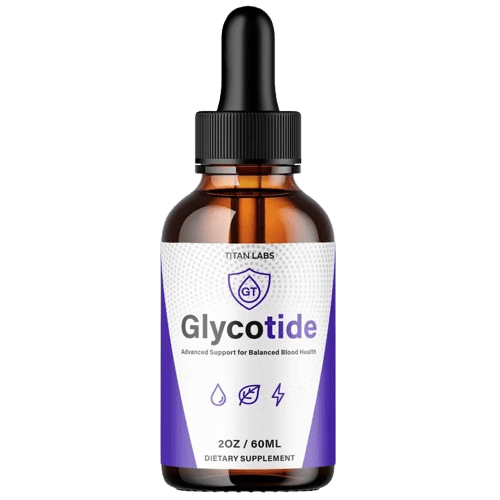
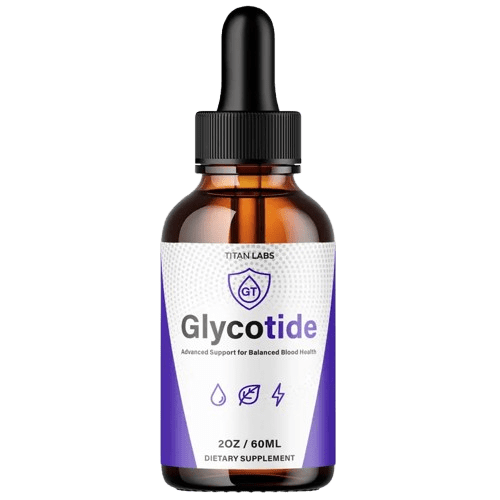
Glycotide are being heavily promoted online with bold claims of blood sugar support and dramatic health improvements. However, investigations into ingredients, reported side effects, and the growing Glycotide scam concerns reveal major red flags, including fake doctor endorsements, misleading marketing tactics, unclear ingredient transparency, hidden subscription charges, and no verified clinical testing supporting the product’s claims.

What Is Glycotide?
Glycotide is marketed as a blood sugar support supplement designed to regulate glucose levels, improve metabolism, increase energy, and support overall wellness without requiring prescription medications, doctor visits, or significant lifestyle changes. The product is promoted through aggressive online advertising, fake health blogs, AI-generated promotional videos, fabricated testimonials, and unverified “doctor” endorsements, while primarily being sold through anonymous websites with no confirmed manufacturer, no physical business address, and little transparency about production standards.
Claims VS Reality: Does Glycotide Really Work?
The promotional claims behind Glycotide quickly fall apart under closer examination. Below is a comparison between the product’s advertised promises and the findings uncovered through our investigation.
| Claim Made by Glycotide | Reality Based on Our Investigation |
| Reverses diabetes naturally | No clinical trials or peer-reviewed studies support claims that Glycotide can reverse diabetes |
| Rapidly lowers blood sugar levels | No verified scientific evidence confirms immediate or dramatic blood sugar improvements |
| Uses clinically proven ingredients | Ingredient lists are inconsistent across websites, with no verified dosages or third-party testing available |
| Completely safe with zero side effects | Safety claims are unverified, and no transparent clinical safety data has been published |
| Recommended by doctors and experts | Promotional endorsements appear unverifiable, manipulated, or generated for marketing purposes |
| Trusted by thousands of satisfied customers | Many testimonials appear recycled or misleading, while independent complaints report poor results |
| Manufactured in certified facilities | No publicly verifiable FDA registration or GMP certification could be confirmed |
8 Proofs Why Glycotide Is a Scam
Our investigation uncovered multiple red flags suggesting Glycotide Drops follows the same pattern commonly seen in deceptive online supplement scams, including fake endorsements, misleading claims, hidden billing practices, and unverified ingredients targeting consumers seeking legitimate blood sugar support.
1. Impossible Health Claims and Fake Medical Endorsements: Glycotide advertisements frequently promise dramatic blood sugar improvements and even diabetes “reversal” within weeks. These claims are often paired with fake doctor endorsements, digitally altered testimonials, and misleading medical imagery designed to create false credibility.
2.High-Pressure and Misleading Marketing: Glycotide relies heavily on phrases like “doctor recommended,” “clinically formulated,” and exaggerated blood sugar support claims despite lacking verified scientific evidence. Its marketing frequently uses misleading testimonials, fake endorsements, and urgency-driven sales tactics that pressure consumers into rushed purchases instead of informed decisions.

3. No Independent Clinical Testing: Despite claims of being “scientifically proven,” there are no verified clinical trials or peer-reviewed studies confirming Glycotide’s effectiveness or safety.
4. Reported Glycotide Side Effects and Scam Network Behavior: Consumers report side effects including headaches, dizziness, nausea, fatigue, and stomach discomfort. Investigations also show the product is promoted across multiple nearly identical websites that frequently change domains to avoid complaints and scrutiny.
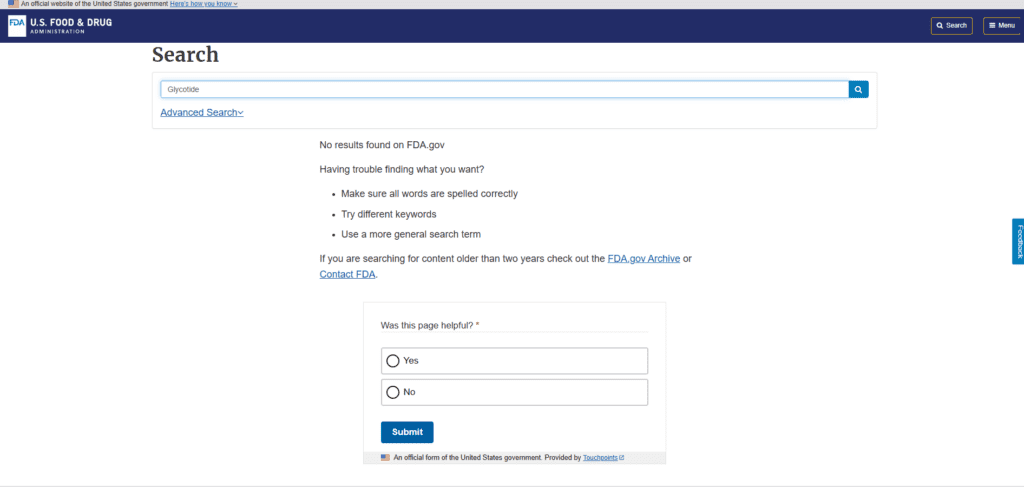
5. Unclear Ingredient Transparency: Ingredient lists and dosages vary across multiple Glycotide websites, while no third-party lab reports or Certificates of Analysis are publicly available. Some pages also misleadingly imply FDA approval despite no such authorization existing.
6. Hidden Subscription Charges and Refund Problems: Numerous customers report being enrolled into recurring billing programs without clear consent, along with major difficulty obtaining refunds or canceling subscriptions.
7. Anonymous and Unverifiable Company Information: Legitimate supplement brands provide transparent company details and customer support channels. Glycotide operates through anonymous websites with hidden ownership records and no verifiable corporate identity.
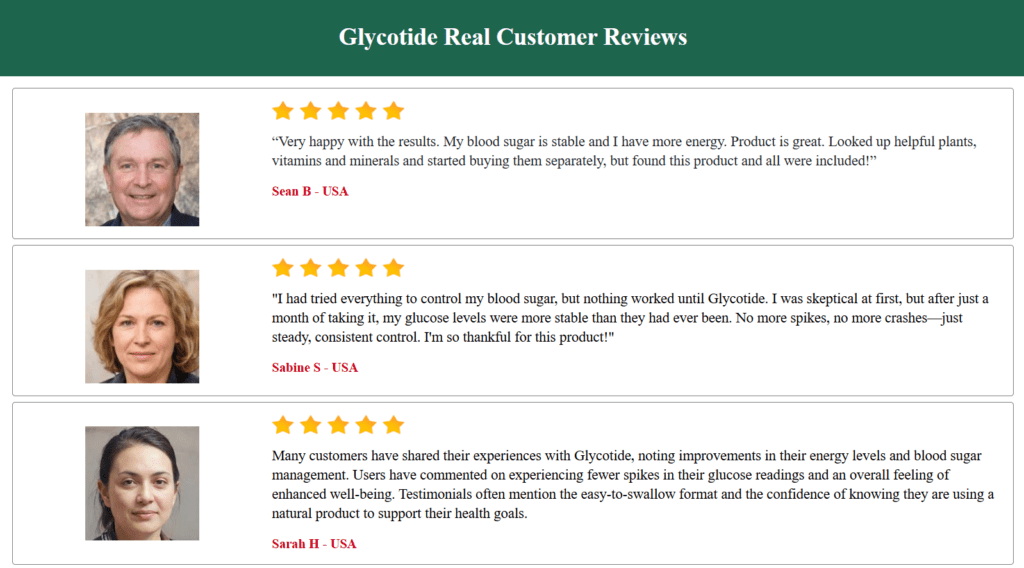
8. Fake Reviews and Manufactured Testimonials: Many reviews appear scripted, recycled, or paired with stock images pretending to be real customers. Independent consumer forums often report completely different experiences.
Is Glycotide Scam or Legit?
Glycotide is a scam. It targets people seeking fast blood sugar support through misleading claims, fake endorsements, and unverified health promises. The product is sold through anonymous websites, lacks verified clinical testing, and has been linked to complaints about hidden charges, refund problems, and ineffective results. Overall, Glycotide appears designed more to persuade buyers through marketing than to prove real nerve health benefits.
What Glycotide Lacks vs. What a Legit Supplement Should Have
The difference between Glycotide and a legitimate blood sugar support supplement is clear. Here’s a simple comparison based on transparency, safety, and credibility:
| Glycotide | A Legit Health Supplement |
| No verified company details | Clear company information, history, and customer service contacts available |
| Fake or misleading endorsements | Relies on scientific evidence and real expert opinions |
| Promises diabetes “cures” | Makes responsible claims based on evidence-supported ingredients |
| Suspicious or fake reviews | Has a range of real reviews (positive and negative) on neutral platforms |
| Hidden charges and refund issues | Offers transparent refund and customer support policies |
| No verified FDA/GMP proof | Manufactured in FDA-registered and GMP-certified facilities |
Glycotide Complaints and Reviews
To understand the real customer experience behind Glycotide, reviews were examined from independent platforms such as Reddit, Twitter, Instagram, Facebook, and Quora rather than the product’s own website. The feedback consistently mentions ineffective results, refund problems, and hidden recurring charges.
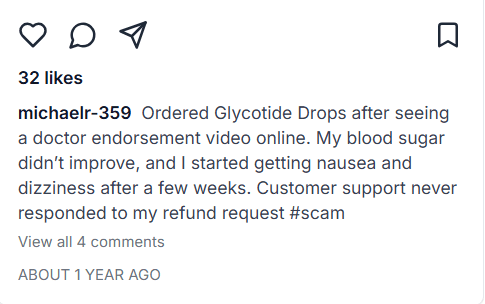
Michael R., United States, Texas (Age 58, Male)
Source: Instagram
Emma J., United States, Florida (Age 64, Female)
Source: Quora
bought it after seein ads online. No results, plus headaches and poor customer support. felt complete misled.
Lucas G., Australia, Sydney (Age 60, Male)
Source: Reddit
After using Glycotide for a couple of weeks, I started getting skin rashes and itching on my arms. Stopped taking it immediately, but customer support never responded to my refund request

David K., United States, Georgia (Age 66, Male)
Source: Facebook
Tried Glycotide for 7 weeks with no improvement. Refund requests only got copy paste responses. Eventually filed a chargeback.
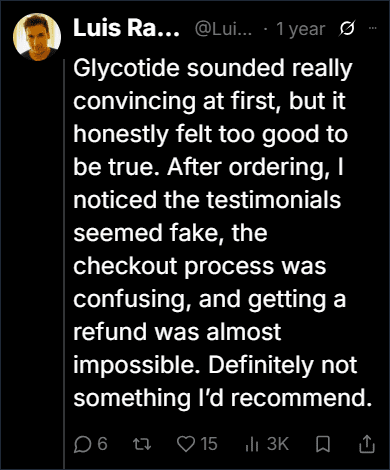
Luis Ramirez, United Kingdom, Birmingham (Age 54, Male)
source: Twitter/X
Angela Peterson, United States, Illinois (Age 58, Female)
source: BBB
Glycotide looked trustworthy at first, but the website lacked real company details and the refund process was very difficult. Overall, the experience felt misleading.
Glycotide Ingredients: Inside the Product
One of the biggest concerns with Glycotide is its lack of ingredient transparency and independent testing. Although marketed as a natural blood sugar support supplement, ingredient lists vary across websites, and no verified third-party lab reports or Certificates of Analysis are publicly available.
- Berberine HCl: Commonly promoted for blood sugar support, but provides no verified dosage or purity testing.
- Gymnema Sylvestre: Advertised for glucose management, though ingredient amounts appear inconsistent across different product pages.
- Ceylon Cinnamon Bark Extract: Claimed to support healthy metabolism, but no third-party verification or COA is available.
- Alpha-Lipoic Acid: Often marketed for insulin and antioxidant support, yet its actual presence and concentration remain unconfirmed.
- African Mango Extract: Promoted for metabolic health benefits, but the source and potency are not disclosed.

Glycotide Ratings
The ratings appear heavily manipulated and unreliable. While promotional websites display extremely high scores, independent platforms show repeated complaints about billing, refunds, and ineffective results.
| Website | Rating | Reliability |
| Trustpilot | 1.6 / 5 | Reliable. Complaints focus on refunds, recurring charges, and poor results. |
| Amazon/Walmart | Not Listed | Reliable. No presence on major trusted retail platforms. |
| BBB | Complaints Filed | Reliable. Reports mention billing disputes and refund problems. |
| Official Website | 4.9 / 5 | Fake. Reviews appear curated and unverifiable. |
Glycotide Scam Risk Score
To measure the overall risk, Glycotide was evaluated across several critical trust and safety factors. The results indicate an extremely high-risk supplement associated with misleading marketing, poor transparency, and potential consumer harm.
| Metric | Risk Score (out of 10) | How We Rated It |
|---|---|---|
| Health Claims | 10 / 10 | Illegal diabetes cure and medication replacement claims |
| Ingredient Transparency | 9 / 10 | Unverified Glycotide ingredients and no lab testing |
| Customer Complaints | 9 / 10 | Reports of billing issues, refunds, and poor results |
| Manufacturer Transparency | 10 / 10 | Anonymous operators with no verified company details |
| Marketing Honesty | 10 / 10 | Fake endorsements, deepfakes, and misleading ads |
| Overall Scam Risk Score | 9.6 / 10 | Multiple high-risk indicators |
Fake Glycotide Websites
Multiple deceptive websites are used to promote Glycotide. These pages often imitate legitimate health resources while using misleading claims and aggressive sales tactics to pressure consumers into buying.
| Website URL Types | Warning Signs / Notes |
| Fake “News” Articles | Designed to look like real news reports while pushing Glycotide through hidden affiliate promotions. |
| Affiliate “Review” Blogs | Overly positive reviews written mainly to generate commissions rather than provide honest product analysis. |
| “Official” Sales Pages | Use countdown timers, fake discount offers, and limited-stock warnings with no verified company details. |
| Social Media Ad Links | Misleading health claims, fake testimonials, and redirect-heavy checkout pages linked through Facebook and Instagram ads. |
How We Investigated Glycotide
Our investigation into Glycotide Drops followed a structured process designed to verify whether the product’s marketing claims matched legitimate scientific and consumer evidence.
Analyzing Website Infrastructure: We reviewed related domains and found anonymous registrations, hidden ownership details, and multiple interconnected websites commonly associated with short-term supplement scam operations.
Scrutinizing Marketing Funnels: We tracked advertisements across Facebook, YouTube, and affiliate websites, identifying misleading sales tactics including fake doctor endorsements, fabricated testimonials, countdown timers, and hidden subscription terms connected to Glycotide usage.
Verifying Claims vs. Regulations: Glycotide marketing claims to support dramatic blood sugar improvements and even “reverse” diabetes. We compared these claims against FDA supplement guidelines and found no verified clinical evidence supporting such promises.
Aggregating Consumer Complaints: Instead of relying on testimonials displayed on sales pages, we analyzed reviews from Reddit, Trustpilot, Quora, and consumer forums. Complaints consistently mentioned ineffective results, refund problems, recurring billing, poor customer support, and reported side effects such as headaches, dizziness, and stomach discomfort.
Checking Ingredient Transparency: Ingredient lists and Glycotide ingredients varied across different websites, while no third-party testing, Certificates of Analysis, or verified dosage information could be confirmed, raising concerns about product consistency and safety.
Reviewing Retailer Presence: Glycotide has little to no verified presence on trusted retail platforms like Amazon or Walmart, a common warning sign seen with supplements attempting to avoid public accountability and independent review systems.
How to Identify Scam Supplements Like Glycotide
Scam supplements like Glycotide often rely on exaggerated health claims, fake endorsements, and high-pressure sales tactics to appear legitimate. Before buying any supplement, consumers should verify ingredient transparency, third-party testing, company credibility, and independent customer reviews.
Miracle Blood Sugar Claims: Legitimate supplements do not claim to “reverse” diabetes or replace medication. Products promising instant blood sugar fixes without medical evidence are a major red flag.
Anonymous Company Information: If a supplement has no verified manufacturer, business address, or transparent contact details, it may be designed to avoid accountability once complaints appear.
Fake Endorsements and Misleading Ads: Be cautious of celebrity promotions, doctor endorsements, and dramatic success stories that cannot be verified through official or trusted sources.
No Third-Party Testing: Trusted supplements provide independent lab testing and ingredient verification. Scam products often hide testing details because purity and effectiveness cannot be confirmed.
High-Pressure Sales Tactics: Countdown timers, fake “limited stock” alerts, and hidden subscription offers are commonly used to pressure buyers into rushed purchases without proper research.
Glycotide Side Effects
Glycotide’s formula is unverified and lacks transparent testing, its side effects may be unpredictable and potentially harmful:
- Dizziness, headaches, fatigue, or sudden energy crashes linked to unknown ingredient dosages.
- Nausea, bloating, stomach cramps, or diarrhea possibly caused by hidden additives or inconsistent ingredient quality.
- Increased risk of dangerous blood sugar drops, especially when combined with insulin or diabetes medications.
- Potential allergic reactions, skin irritation, or sensitivity issues due to unverified herbal blends and undisclosed ingredients.
- Risky interactions with prescription medications such as metformin, insulin, or other blood sugar management drugs.
Glycotide Refund Process
Do not rely on Glycotide’s customer support, as many users report delayed or automated responses. To recover and refund your money:
- Contact your bank or card provider immediately and report the charge as fraudulent or part of an unauthorized subscription issue.
- Request a chargeback and provide screenshots, transaction records, and misleading Glycotide scam ad details as evidence.
- Ask for a replacement card number to prevent future unauthorized charges linked to the scam network.
- File complaints with the FTC and Better Business Bureau (BBB) regarding the scam and billing concerns.
- Save all emails, receipts, ads, and screenshots to support your dispute process and refund claim.
Final Verdict: Is Glycotide Worth It?
No, Glycotide is not worth buying. The product shows multiple scam warning signs that may put both your finances and health at risk. Buyers may receive an ineffective and unverified supplement from anonymous operators using misleading marketing tactics and hidden subscription charges. To stay safe, only purchase blood sugar support supplements from trusted brands with transparent manufacturer details, verified ingredients, third-party testing, and authentic customer reviews from reputable platforms. For legitimate blood sugar management concerns, consult a qualified healthcare professional before using any supplement.
Expert-Reviewed & Customer-Approved
Frequently Asked Questions (FAQ)
Are Glycotide Drops Real?
Glycotide lacks verified company details, independent testing, and authentic endorsements. Most independent reviews describe it as misleading or ineffective.
What are the Glycotide side effects?
Reported Glycotide side effects include nausea, headaches, dizziness, fatigue, stomach issues, and possible blood sugar instability. Risks may increase when combined with diabetes medications.
Is Glycotide usage safe?
The safety of Glycotide usage is uncertain because the product has no verified manufacturing standards or confirmed ingredient testing. Consumers should consult a doctor before use.
Has anyone used Glycotide?
Independent user reviews report poor results, hidden subscription charges, and unresponsive customer support. Many users say the product did not improve blood sugar levels.
Is Glycotide FDA approved?
No. Glycotide is not FDA approved, and its marketing claims about reversing diabetes are not medically verified.
Where can I buy real Glycotide Drops?
There is no verified or officially trusted source for Glycotide Drops. The product is mainly sold through anonymous websites with questionable credibility.
Are there fake Glycotide websites?
Yes. Multiple fake and duplicate websites promote Glycotide using deepfake ads, fake testimonials, and misleading marketing tactics.
Do Glycotide ingredients really work?
Some advertised ingredients like berberine and cinnamon have limited research individually, but the actual Glycotide formula is unverified and lacks clinical proof.
Who makes Glycotide?
The manufacturer behind Glycotide remains anonymous, with no confirmed company registration, address, or transparent business information.
How can I avoid Glycotide scams?
Avoid supplements with fake celebrity endorsements, unrealistic cure claims, hidden subscriptions, and no third-party testing or verified company details.
Are Glycotide reviews genuine?
Most positive reviews appear on the product’s own websites, while independent platforms mostly contain complaints about billing, refunds, and ineffective results.
Sources
- Savira, M. and Amelia, R., 2018. The effect of diabetes self-management education on Hba1c level and fasting blood sugar in type 2 diabetes mellitus patients in primary health care in Binjai City of North Sumatera, Indonesia. Open access Macedonian journal of medical sciences, 6(4), p.715. Available at https://pmc.ncbi.nlm.nih.gov/articles/PMC5927509/
- Xiao, Y., Hu, Y. and Du, J., 2019. Controlling blood sugar levels with a glycopolymersome. Materials Horizons, 6 (10), pp.2047-2055. Available at https://pubs.rsc.org/en/content/articlelanding/2019/mh/c9mh00625g/unauth
- Greenfield, S., Kaplan, S.H., Ware, J.E., Yano, E.M. and Frank, H.J., 1988. Patients’ participation in medical care: effects on blood sugar control and quality of life in diabetes. Journal of general internal medicine, 3, pp.448-457. Available at https://link.springer.com/article/10.1007/BF02595921
- Widara, J.Z., Sukesih, S. and Jauhar, M., 2024. Health Education on Nutrition Management Reduces Blood Sugar Levels in Diabetes Mellitus Clients. Indonesian Journal of Health Research and Development, 2(3), pp.107-115. Available at https://www.researchgate.net/profile/Muhamad-Jauhar/publication/386154620_Health_Education_on_Nutrition_Management_Reduces_Blood_Sugar_Levels_in_Diabetes_Mellitus_Clients/links/6746d13e3d17281c7de2b8f4/Health-Education-on-Nutrition-Management-Reduces-Blood-Sugar-Levels-in-Diabetes-Mellitus-Clients.pdf
- Asri, I.J., Abu, M., Ali, D.B. and Saranga, J.L., 2025. Optimizing Blood Sugar Control in Diabetes Mellitus: The Impact of Family Interventions: A Literature Review. An Idea Health Journal, 5(02), pp.163-172. Available at http://ihj.ideajournal.id/index.php/IHJ/article/view/489
![Glycotide Scam 2026| 8 Things the seller hide [Buyer Alert]](https://www.supplementdolphin.com/wp-content/uploads/2026/04/reviewer-sophia-150x150.jpg)
Sadie, MBBS, is a UK-trained General Practitioner and a Fellow of the Royal Australian College of General Practitioners (RACGP) with over 15 years of clinical experience. earned her medical degree from the University of Portsmouth and has practiced across various healthcare systems, including the UK and Australia. a prominent advocate for evidence-based medicine and health literacy, specializing in lifestyle medicine and the debunking of medical misinformation. clinical approach focuses on community-wide health education and empowering patients through transparent, science-backed guidance.