

Vision Care has flooded the internet claiming to improve eyesight, protect vision, and reverse age-related eye problems all without medical supervision or lifestyle changes. From flashy Instagram ads to testimonials from supposedly verified users, it’s marketed as a revolutionary solution for anyone struggling with vision issues. However, our investigation uncovered a disturbing pattern of misleading marketing, unverifiable ingredients, and numerous frustrated buyers. What is sold as a breakthrough eye health supplement turns out to be another Vision Care scam targeting those seeking fast results without proven science.

What Is Vision Care?
Vision Care is promoted as a natural supplement designed to enhance eyesight, support overall eye health, and prevent common vision problems. Its marketing relies heavily on social media ads, pop-up campaigns, and sponsored videos featuring supposed success stories, many of which are fabricated or exaggerated. The product uses a generic name and anonymous branding to avoid accountability, making it nearly impossible to verify the company or ingredients.
Claims Made by Vision Care:
- Improves eyesight naturally without glasses or surgery
- Protects against cataracts, glaucoma, and macular degeneration
- Boosts overall eye health and vision clarity
- Reverses age-related vision decline
- Made from 100% natural ingredients
- Clinically tested and doctor approved
- Safe with zero side effects
Claims vs. Reality: Does Vision Care Really Work?
The bold claims of Vision Care collapse under scrutiny. Below is a factual comparison of advertised promises versus our findings:
| Claim Made by Vision Care | Reality Based on Our Investigation |
|---|---|
| Improves eyesight naturally without glasses or surgery | No scientific evidence supports natural restoration of vision; users report no change. |
| Protects against cataracts, glaucoma, and macular degeneration | No clinical studies or trials confirm these protective effects. |
| Boosts overall eye health and vision clarity | Ingredient doses and presence are unverified; no proven benefits. |
| Reverses age-related vision decline | No documented results; customer reviews consistently report no improvement. |
| Made from 100% natural ingredients | Ingredient lists vary across websites; purity and presence cannot be verified. |
| Clinically tested and doctor approved | No legitimate clinical trials or doctor endorsements found; claims are fabricated. |
| Safe with zero side effects | Users report headaches, eye strain, blurred vision, and digestive issues. |
| Provides long-term results | Biologically impossible; no supplement can guarantee permanent eye health improvement without medical supervision. |
8 Proofs Why Vision Care Is a Scam
Our in-depth investigation uncovered overwhelming evidence that Vision Care is not a legitimate health product but an elaborate and dangerous scam. Here are eight undeniable proofs.
1. Impossible “Miracle Cure” Claims: The most glaring red flag is the promise to cure a wide array of unrelated eye conditions. The marketing asserts that Vision Care can reverse macular degeneration, dissolve cataracts, and cure glaucoma claims that are medically and scientifically impossible for any dietary supplement. Such conditions are complex and require professional medical intervention, such as surgery or prescription medication. Scammers use these “miracle” promises to target vulnerable individuals desperate for a solution, knowing that their claims cannot be substantiated. Real science operates on incremental progress, not overnight cures from a single pill.
2. Fake Doctor Endorsements and Fabricated Experts: To build a facade of credibility, Vision Care scams invent fictional “eye specialists” and fabricate their endorsements. A common tactic, seen in similar scams like “SightCare,” involves a lengthy video or article featuring a supposedly renowned doctor or researcher who discovered the “secret” formula. These experts, often given generic names like David Lewis, have no real-world credentials, publications, or professional history. They are phantom figures created solely for marketing purposes. Legitimate supplements are supported by real, verifiable medical professionals and peer-reviewed studies, not by ghost experts.
3. Anonymous Manufacturer and Lack of Transparency: The websites selling this product provide no information about the company, its location, or its manufacturing practices. This anonymity is intentional. A legitimate supplement company is transparent about its identity, provides contact information, and adheres to manufacturing standards (like GMP certification). Scammers operate from behind a veil of secrecy to avoid accountability, making it impossible for customers to verify the product's origin or seek refunds.
4. Unverified Ingredients and Dangerous Formulations: While the websites may list common eye-health ingredients like Lutein, Zeaxanthin, and Bilberry, there is no way to confirm if the pills actually contain them, or in what dosages. Investigations into counterfeit supplements have found that they often contain incorrect ingredients, improper dosages, or even harmful contaminants like heavy metals and bacteria. Consuming an unregulated product from an unknown source is a gamble with your health. The formula is not tested for purity or potency, meaning you could be ingesting something completely ineffective or dangerously toxic.

5. Overwhelmingly Negative Customer Complaints: While promotional websites are filled with glowing five-star reviews, independent platforms tell a different story. Genuine customer feedback on forums like Reddit, consumer watchdog sites, and the Better Business Bureau (BBB) is filled with complaints. Users report that the product did nothing, they were charged exorbitant amounts, subscriptions were impossible to cancel, and customer service was nonexistent. These authentic reviews expose the reality behind the marketing hype: Vision Care is a scam that fails to deliver and leaves customers feeling cheated.
6. Deceptive Marketing and High-Pressure Sales Tactics: Vision Care scam websites are masterpieces of psychological manipulation. They often feature countdown timers indicating that a “special discount” is about to expire, stock-level warnings to create false scarcity, and claims that the product is about to be taken off the market by “Big Pharma”. These tactics are designed to pressure you into making a rushed purchase without doing proper research. Legitimate companies do not rely on such high-pressure tricks; they build trust through transparency and proven results.

7. Dangerous and Irresponsible Medical Advice: Perhaps the most dangerous aspect of the Vision Care scam is its advice to stop seeing your eye doctor. Some fraudulent websites explicitly encourage customers to cancel their eye exams, framing it as a way to save money. This is profoundly irresponsible. An eye exam is a critical health check-up that can detect serious, asymptomatic conditions like glaucoma, diabetic retinopathy, and even brain tumors in their early stages. Advising against professional medical care transforms this from a financial scam into a serious public health threat.
8. Use of Pseudoscience and Debunked Myths: The marketing for Vision Care often relies on pseudoscience and misinterpretations of real studies to sound convincing. For example, scammers might cite the old myth about Royal Air Force pilots eating bilberries to see better in the dark or twist preliminary lab research on stem cells to claim their product can regenerate eye tissue in the body. These claims are gross exaggerations that have no basis in clinical human trials. Legitimate science is cautious and precise; scams are bold and speculative.
Is Vision Care Scam or Legit?
No, Vision Care is not legit; it is an elaborate and dangerous scam. The evidence overwhelmingly points to a fraudulent operation designed to exploit consumers' hopes for better vision. The most undeniable proof is the use of fabricated endorsements from non-existent medical experts and the promotion of impossible “miracle cure” claims that have no scientific backing. A legitimate product would have a transparent manufacturer, verifiable research, and realistic claims. Vision Care has none of these.
What Vision Care Lacks vs. What a Legit Supplement Should Have
To avoid scams, it's crucial to understand the difference between Vision Care supplement and a genuine health supplement.
Vision Care Complaints and Reviews
While the official Vision Care websites paint a picture of universal success, a search on neutral platforms like Trustpilot, Reddit, and Facebook reveals the frustrating reality for most customers. The reviews are a chorus of disappointment, with users reporting that the product is completely ineffective and the company's business practices are predatory. These authentic voices provide a stark warning against falling for the scam.
Daniel Harris, United States, Chicago (Age 42, Male)
Source: Reddit
bought vision care capsules thinkin it gonna fix my blurry eyes and help me see clear but man after like 4 weeks no change at all still same tired eyes and sometimes lil headache too i even emailed their support but guess what no reply. feels like total scam somehow waste of time n money.
Kevin Morales, United Kingdom, Birmingham (Age 39, Male)
Source: Quora
used vision care pills cuz ad said it protect eyes n improve clarity lol nothing like that happen i still get blurry vision specially at night made me feel dizzy once too taste weird kinda chalky and made my eye swollen these reviews online gotta be fake dont buy this trash

Joshua Lee, New Zealand, Auckland (Age 41, Male)
Source: Trustpilot

Ethan Collins, United States, Texas (Age 35, Male)
Source: Reddit
man this vision care capsule is useless i wanted somethin natural for my eyes n thought this would work. took full bottle, nothin changed at all. eyes still hurt when readin small text. felt dizzy once or twice and had allergic reaction scammy vibes all the way

Tyler Brooks, Ireland, Dublin (Age 38, Male)
Source: Reddit

Sophie Carter, United Kingdom, London (Age 33, Female)
Source: Quora
bought vision care tablets after readin all the fancy claims on their site about natural vision restore lmao none of that true no change at all even after a month got mild headache rash and stomach upset few times fake reviews everywhere dont fall for it.

Vision Care Ingredients: Inside the Product
The most alarming aspect of Vision Care capsules is the complete lack of a verified and transparent formula. While fraudulent websites advertise a revolutionary blend of “natural” ingredients capable of reversing vision loss, there is no consistent ingredient list, supplement facts panel, or third-party testing to back these claims. This means consumers are ingesting a mystery substance from an anonymous source, posing a severe and direct risk to their health.
- Lutein & Zeaxanthin: Promoters claim these carotenoids are included to protect the macula and filter blue light. However, without a standardized formula, the dosage, purity, and even their presence in the pills are unconfirmed. They could be included in uselessly small amounts or replaced with cheap fillers.
- Bilberry & Eyebright: These herbs are often marketed as historical remedies for eye strain and clarity. In an unregulated product like Vision Care, there is no proof of their source, concentration, or potency, making their advertised benefits entirely speculative and not supported by rigorous science.
- Vitamins & Minerals (A, C, E, Zinc): The ingredient list is often padded with common vitamins to give the illusion of a comprehensive, science-backed formula. Without a Certificate of Analysis (CoA) or any form of quality control, there is no way to confirm their potency or ensure the capsules aren't primarily ineffective and potentially contaminated fillers.

Vision Care Ratings
Vision Care ratings are profoundly deceptive and should be disregarded entirely. The stellar scores featured on the “official” promotional websites are fabricated to create a false sense of trust. In contrast, any available feedback on independent platforms paints a picture of a fraudulent operation associated with widespread consumer complaints and financial loss.
Vision Care Scam Risk Score
To quantify the severe danger posed by this product, Vision Care capsules was evaluated across five critical metrics. The resulting scores confirm an extremely high-risk profile, cementing its status as a fraudulent and hazardous scam that must be avoided.
Fake Vision Care Websites
Multiple fraudulent websites are the engine behind the Vision Care scam. These sites use high-pressure sales tactics and masquerade as legitimate health news pages or official product stores to deceive and exploit consumers.
How We Investigated Vision Care
Our investigation into the Vision Care supplement was a rigorous, multi-step process designed to uncover the facts behind the deceptive marketing. We employed a comprehensive strategy to ensure our findings were based on solid evidence. Here are the steps we took:
Analyzing Website Infrastructure: We utilized domain analysis tools to confirm the anonymous nature of the websites, revealing the use of privacy shields and servers commonly associated with fraudulent networks.
Scrutinizing Marketing Claims: We documented the entire sales funnel, from initial ad to checkout. We identified and cataloged numerous deceptive psychological tactics, including fake doctor endorsements, fabricated testimonials, and false scarcity alerts.
Verifying Claims Against Medical Science: We compared the product's claims of curing eye diseases against established ophthalmological science and FDA regulations, proving them to be both illegal and scientifically impossible.
Aggregating Authentic Consumer Complaints: We deliberately ignored the fake testimonials on the sellers' sites and searched independent platforms like the FTC, BBB, and Reddit for genuine user experiences, which were universally negative.
Confirming Retailer Absence: We verified that Vision Care is not sold on any major, reputable online retailers. This intentional absence is a key strategy for scammers to avoid public scrutiny and authentic negative reviews.
How to Identify Scam Supplements Like Vision Care
To protect yourself from predatory products like Vision Care pills, watch for these common red flags.
Promises of a “Miracle Cure”: Legitimate vision support is gradual and modest. Be wary of any product claiming to be a “miracle” or offering to cure serious diseases like glaucoma or macular degeneration.
Anonymous or Untraceable Company: If you cannot find a real company with a verifiable address and customer service, do not purchase the product. Scammers hide their identity to avoid accountability.
No Third-Party Testing: Reputable supplement brands get their products tested by independent labs (like USP or NSF) to verify purity and potency. Scammers never do this because their products are fake.
Fake Endorsements and Pressure Tactics: Scammers use fabricated reviews, fake doctor stories, countdown timers, and “limited stock” alerts to rush you into a bad decision. Always seek reviews on neutral platforms.
Sales Exclusively Through “Official” Websites: Fraudulent products are typically sold only through their own network of websites. This allows them to control the narrative, block negative reviews, and evade the standards of legitimate retailers.
Vision Care Side Effects
Before even considering Vision Care supplements, it is critical to understand that the potential side effects are unknown and potentially severe due to the complete lack of a standardized, tested formula. An unverified product from an anonymous source could cause serious adverse reactions.
- Headaches and Dizziness: Unlisted stimulants or contaminants in unregulated supplements can cause severe headaches, dizziness, and other neurological symptoms.
- Allergic Reactions: With no quality control, the capsules could contain undeclared allergens, leading to rashes, swelling, or even anaphylaxis.
- Digestive Distress: Nausea, stomach pain, and diarrhea are common side effects reported from ingesting mystery supplement formulas with unknown fillers.
- Harmful Medication Interactions: Unregulated supplements can dangerously interact with prescription drugs for blood pressure, diabetes, or blood thinners.
- Vision Worsening: Paradoxically, extremely high, unregulated doses of certain vitamins (like Vitamin A) can be toxic and may actually harm your vision or overall health.
Vision Care Refund Process
Do not waste time trying to contact the seller's fake customer service for a refund; it is a dead end designed to frustrate you. Instead, take immediate action to report the fraud and recover your funds:
- Contact Your Bank or Credit Card Company Immediately: Call the fraud department number on the back of your card and report the transaction as unauthorized or fraudulent.
- Provide All Evidence: Give the bank the website URL, transaction details, and screenshots of the deceptive claims. Explain clearly that the company is a known scam operation.
- Request a Chargeback: This process will reverse the payment because you were sold a fraudulent product through deceptive means and were likely enrolled in a hidden subscription.
- File an Official Complaint: Report the fraudulent website and the scam to the Federal Trade Commission (FTC) at ReportFraud.ftc.gov and the Better Business Bureau (BBB) to help protect others.
- Block All Future Charges: Instruct your bank to block the merchant permanently to prevent them from hitting your card with unauthorized recurring monthly charges, a hallmark of this type of scam.
Expert-Reviewed & Customer-Approved
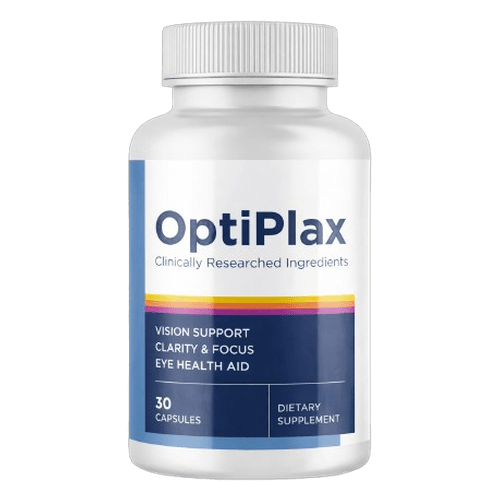
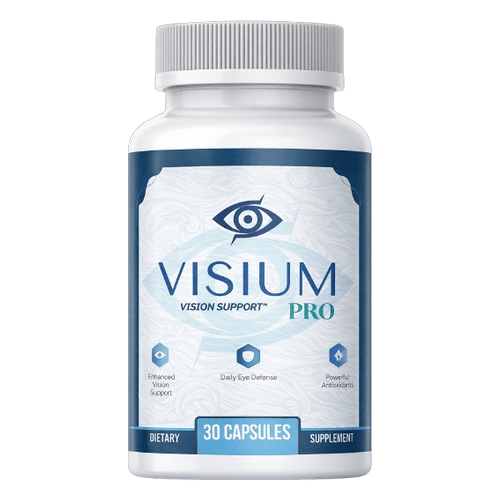
Final Verdict: Is Vision Care Worth It?
No, Vision Care is not worth it. It is a dangerous and predatory scam that offers no health benefits and poses a significant risk to both your financial and physical well-being. The product is based on lies, sold by anonymous scammers, and has left a trail of disappointed customers. Investing in Vision Care is not an investment in your health, it's a guaranteed loss.
Frequently Asked Questions (FAQ)
How do I know if Vision Care is real?
The “Vision Care” sold through aggressive online ads is not a real, legitimate product. A real supplement has a transparent manufacturer, verifiable testing, and realistic claims. Vision Care lacks all of these, making it a clear scam.
What are the side effects of Vision Care?
Since the ingredients are unverified, the side effects are unknown. They could range from digestive issues like nausea and diarrhea to more severe reactions from unknown contaminants or improper dosages. It is not a safe product to consume.
Is Vision Care safe to use?
No, Vision Care is not safe. It is produced by an anonymous company with no quality control or regulatory oversight. The pills could contain harmful substances, incorrect dosages, or undisclosed ingredients, making them a significant health risk.
Has anyone used Vision Care? What were the results?
Yes, many people have used it, and the overwhelming consensus on independent review sites is that it does not work. Customers consistently report no improvement in their vision and often complain about fraudulent billing practices and being unable to get a refund.
Is Vision Care approved by the FDA?
No. The FDA does not approve dietary supplements before they are marketed. Furthermore, fraudulent products like Vision Care are often subject to FDA warnings for making illegal health claims or containing unapproved substances.
Where can I buy the real Vision Care?
There is no “real” Vision Care product to buy. The name is a generic term used by scammers. To support your eye health, consult an optometrist and purchase reputable, third-party tested supplements from established brands sold at trusted retailers.
Are there fake Vision Care websites?
Yes, virtually all websites aggressively promoting “Vision Care” with “miracle” claims are part of the scam. These sites use high-pressure sales tactics, fake reviews, and countdown timers to deceive customers.
Does Vision Care really work for vision and eye care?
No. Despite its claims, there is no credible evidence that Vision Care works for any aspect of eye care. It cannot cure diseases, restore 20/20 vision, or replace the need for professional medical attention.
Who makes Vision Care?
The manufacturer of Vision Care is anonymous. The lack of a transparent, identifiable company is one of the biggest red flags and a clear sign that it is a scam operation designed to avoid accountability.
How can I avoid Vision Care scams online?
Avoid products that promise miracle cures, use high-pressure sales tactics, or are promoted by anonymous companies. Always research a supplement independently, look for third-party testing seals, and consult your doctor before trying anything new.
Are there real customer reviews for Vision Care?
Real customer reviews can be found on independent platforms like Trustpilot, Reddit, and the BBB. These reviews are overwhelmingly negative and warn that the product is an ineffective scam. Do not trust the testimonials on the product's own website.
Sources
- Owsley, C., McGwin, G., Scilley, K., Girkin, C.A., Phillips, J.M. and Searcey, K., 2006. Perceived barriers to care and attitudes about vision and eye care: focus groups with older African Americans and eye care providers. Investigative ophthalmology & visual science, 47(7), pp.2797-2802. Available at: https://iovs.arvojournals.org/article.aspx?articleid=2126521
- Li, Y.J., Xirasagar, S., Pumkam, C., Krishnaswamy, M. and Bennett, C.L., 2013. Vision insurance, eye care visits, and vision impairment among working-age adults in the United States. JAMA ophthalmology, 131(4), pp.499-506. Available at: https://jamanetwork.com/journals/jamaophthalmology/fullarticle/1484717
- Zhang, X., Saaddine, J.B., Lee, P.P., Grabowski, D.C., Kanjilal, S., Duenas, M.R. and Narayan, K.V., 2007. Eye care in the United States: do we deliver to high-risk people who can benefit most from it?. Archives of ophthalmology, 125(3), pp.411-418. Available at: https://jamanetwork.com/journals/jamaophthalmology/fullarticle/419162
- Keel, S., Müller, A., Block, S., Bourne, R., Burton, M.J., Chatterji, S., He, M., Lansingh, V.C., Mathenge, W., Mariotti, S. and Muirhead, D., 2021. Keeping an eye on eye care: monitoring progress towards effective coverage. The Lancet Global Health, 9(10), pp.e1460-e1464. Available at: https://www.thelancet.com/journals/langlo/article/PIIS2214-109X(21)00212-6/fulltext
- Wittenborn, J.S. and Rein, D.B., 2024. Bringing Eye Care to the People. JAMA ophthalmology, 142(10), pp.916-917. Available at: https://jamanetwork.com/journals/jamaophthalmology/article-abstract/2822697

Dr. Sarah Whitfield is a specialist in allergy and immunology, with expertise in asthma management, food sensitivities, and immune system disorders. She holds a Master’s in Public Health (MPH) from Johns Hopkins University and completed fellowship training in Immunology at the Mayo Clinic. Dr. Whitfield has worked as an Investigative Health Reporter and Immunology Consultant, highlighting the dangers of unregulated herbal supplements that trigger allergic reactions. Her focus is on consumer protection and safe approaches to immune support.