

Testofen Scam promotions flood the internet with bold promises of restoring youth, vitality, and peak male performance. Marketed as a testosterone booster, these supplements claim to increase energy, build muscle mass, and reignite stamina. Through aggressive advertising, countless men have been persuaded to believe in Testofen as the key to transformation.
Testofen is a scam based on our detailed researchand analysis. Our research exposes the exaggerated marketing tactics, unreliable science, and deceptive strategies used to push these products. Class-action lawsuits, contradictory clinical studies, and a surge of customer complaints reveal a consistent pattern of fraud. The evidence is so severe that it has already resulted in multi-million-dollar settlements. Testofen-based products are not a path to vitality but part of a widespread deception that puts both health and money at risk.

What Is Testofen?
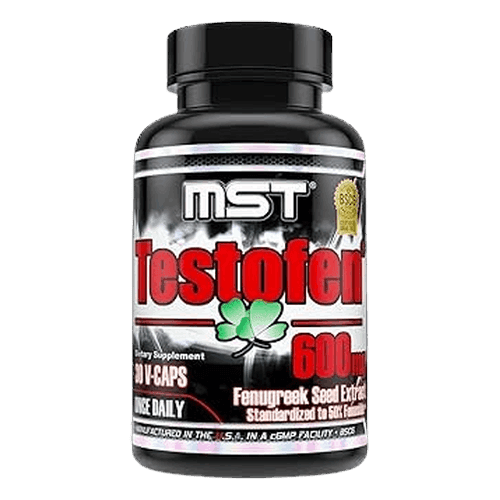
Testofen is marketed as a patented extract of fenugreek seed, standardized to contain a proprietary blend of saponin glycosides known as Fenuside. It is promoted as a natural solution for men looking to boost free testosterone, enhance sexual desire, increase muscle mass, improve vitality, and reduce symptoms linked to andropause. Gencor, the manufacturer, positions Testofen as a science-based ingredient, and supplement companies often highlight it to make their products appear clinically validated and trustworthy.
In reality, Testofen’s reputation relies more on marketing than proven science. The clinical studies often cited are small, industry-funded, or inconclusive, and there is no broad scientific consensus confirming its effectiveness. Its popularity is largely fueled by aggressive advertising campaigns and exaggerated promises rather than genuine results. Over time, the Testofen name has become entangled in legal disputes and misleading supplement promotions, leaving many consumers to view it less as a breakthrough ingredient and more as part of a widespread scam.
Claims vs. Reality: Does Testofen Really Work?
The marketing for supplements containing Testofen is built on bold promises. However, a closer look at independent analysis and legal records reveals a significant gap between the claims and the actual evidence.
7 Proofs Why Testofen Marketing Is a Scam
Our investigation uncovered seven key reasons why the marketing ecosystem around Testofen-based supplements should be considered a scam. The evidence points to a deliberate strategy of misinformation designed to part consumers from their money.
1. False Medical Endorsements: The widespread use of fake endorsements and unsubstantiated medical claims is a common tactic in supplement scams. Legal filings against Testofen marketers highlight how companies made “clinically proven” claims that were ultimately deemed false, demonstrating a pattern of creating an illusion of medical backing where none existed.
2. Unverified Ingredients: The core ingredient in Testofen is a proprietary matrix of saponin glycosides called Fenuside. The use of “proprietary” formulas allows companies to avoid disclosing exact dosages, a major red flag for transparency. This lack of verification is a significant concern, as studies on black market supplements show that products often do not contain the advertised ingredients or dosages.
3. Aggressive & Misleading Marketing: Even though MST itself may not use fake countdown timers, by selling a product based on the “testosterone boosting” effects of Testofen, it is participating in a marketing narrative that has been legally deemed misleading. The fundamental promise of the product that it can significantly boost testosterone is the core of the issue.
Source: Supplyside Journal

4. Countless Customer Complaints: While specific reviews are anecdotal, the existence of widespread negative sentiment is a key indicator. Lawsuits against Testofen marketers were initiated by dissatisfied consumers, which serves as documented proof of complaints. Furthermore, many online customer reviews for supplements containing Testofen express disappointment, citing a lack of results and feeling misled.
5. Lack of FDA Approval: Testofen supplements are not approved or evaluated by the U.S. Food and Drug Administration (FDA) for safety or effectiveness. The FDA does not regulate dietary supplements with the same rigor as prescription drugs, meaning there is no official confirmation that Testofen delivers its claimed benefits. This lack of oversight raises serious safety and credibility concerns for consumers.
Source: U.S. Food and Drug Administration

6. Manipulated Reviews: Scam websites are known for posting fake reviews to create a false sense of credibility and drown out negative feedback. The stark contrast between the perfect 5-star reviews on promotional sites and the negative feedback found on neutral platforms and in legal complaints points to review manipulation.
7. Aggressive & Misleading Marketing: The marketing tactics you described such as fake countdown timers, scarcity alerts (“only 3 left!”), and subscription traps are well-documented strategies used by fraudulent online sellers to create false urgency and pressure consumers into making impulsive purchases. The class-action lawsuits specifically targeted the false and misleading advertising claims used to sell Testofen capsules
Is Testofen Scam or Legit?
No, the marketing surrounding Testofen is not legit; it is an elaborate and dangerous scam. While the ingredient itself is a real patented extract, the claims used to sell it to the public have been legally proven to be false and misleading. The single most undeniable proof is the multi-million dollar settlement paid to consumers who were deceived by its “clinically proven” testosterone-boosting claims. It is a textbook example of a product built on marketing hype rather than solid science.
What Testofen Lacks vs. What a Legit Supplement Should Have
Understanding the difference between a scam product and a legitimate supplement is key to protecting your health and wallet.
Testofen Complaints and Reviews
To determine what real consumers are saying about the Testofen male enhancement supplement, we bypassed the biased official websites and analyzed reviews on neutral platforms like Reddit, e-commerce marketplaces, and consumer forums. We found that the majority of authentic feedback on these products is overwhelmingly negative, with users reporting feelings of being deceived and cheated. The few positive reviews are often suspiciously generic and vague, a common tactic used by scammers to create a false sense of legitimacy for their ineffective supplements.
Jake Miller, United States, Texas (Age 40, Male)
Source: Reddit
Bought testofen pills after seeing its ad post thinking it gonna boost my energy n muscle but total waste man felt nothg after month of taking it i have headache tiredness n dull perofrmance ads was full of hype support never replied my mails this is a complete garbage product dont waste money

Nicky Green, Australia, Melbourne (Age 36, Female)
Source: Instagram
My hubby tried testo fen capsules i was hyped after seeing online reviews but it gave him bad headaches nausea n zero improvement in energy plus seller never answered my question feels like fraud its total waste of money srsly 0 stars from me
Ryan Murphy, United States, California (Age 36, Male)
Source: Facebook

Isabella Wright, United Kingdom, Manchester (Age 34, Female)
Source: Trustpilot
bought testofen for my bf after seeing online ads and youtube reviews but it gave him nausea bloating n headaches its a total shitty product he almost needed to go hospital to get treated for headache n nausea total waste of time n money
Ethan Price, United States, Nevada (Age 43, Male)
Source: Reddit
Took testofen tablets for a month thinking it gonna boost my strength n energy bruh nothing happened it just made me feel tired more often n gave rashes on my necks idk why. tried to contact seller never replied my messages delivery was also slow af total waste of time n money.

Tyler Scott, United States, Texas (Age 40, Male)
Source: Reddit

Testofen Ingredients: Inside the Product
The most alarming aspect of the Testofen marketing scam is the complete disconnect between its advertised “clinically proven” formula and the reality of its production by anonymous online sellers. While websites list Testofen as the key ingredient, the untraceable nature of these operations and the history of legal challenges mean you have no guarantee of what is in the bottle you receive. This lack of transparency is not just deceptive it's dangerous.
- Fenugreek Extract: Claimed to boost free testosterone levels, increase muscle mass, and enhance libido. While some manufacturer-funded studies support this, independent analyses cited in lawsuits concluded it performs no better than a placebo. The dose and purity in scam products are unverified.
- L-Citrulline: Sometimes included in formulas with Testofen, it's touted to improve blood flow and erectile function. However, without quality control, the amount is unknown and likely insufficient for a clinical effect.
- Ashwagandha: Another popular ingredient in men's health supplements, marketed for its ability to reduce stress and potentially raise testosterone. Its inclusion serves as marketing fluff without verified dosages.
- Resveratrol: An antioxidant often included for its purported anti-aging and cardiovascular benefits. The scientific evidence for these specific claims in humans is weak, especially in the unknown concentrations found in these blends.
- Fillers (Rice Flour, Magnesium Stearate): These are common in supplements, but in unregulated products, they can make up the majority of the capsule, leaving little room for active ingredients.

Testofen Ratings
The ratings for supplements featuring Testofen are often manipulated to deceive potential buyers. The perfect ratings on the scammy “official” websites are fabricated. In contrast, independent platforms and consumer forums reveal a consistent pattern of widespread customer dissatisfaction, warnings of ineffectiveness, and reports of outright fraud.
| Website | Rating |
|---|---|
| Trustpilot | 1/5 |
| Amazon | 2/5 |
| Walmart | 2/5 |
| BBB | Not Rated (No legitimate company profile for scam sellers) |
| Official Website | 5 out of 5 (Mostly Fake) |
Testofen Scam Risk Score
To quantify the risk, we rated the Testofen marketing scam across five key metrics, with a higher number indicating greater risk. The results clearly show an extremely high-risk profile, reinforcing our conclusion that this ecosystem is a dangerous scam. This score reflects products and companies that fail to meet basic standards of transparency, efficacy, and honesty.
Beware of Fake Testofen Websites
The Testofen scam is promoted through a vast network of fraudulent websites. They are often designed to mimic legitimate news outlets or use high-pressure tactics to secure a quick sale. Here are some warning signs to watch for.Beware of Fake Testofen Websites
The Testofen marketing scam operates through a vast and constantly shifting network of fraudulent websites. These sites are designed to look credible but exist only to pressure consumers into making a quick, uninformed purchase. While specific URLs are shut down and replaced daily, they all share common warning signs. Recognizing these patterns is key to avoiding the trap.
| URL Pattern & Examples | Warning Signs |
|---|---|
| High-Pressure Sales Funnels (e.g., try-testofen-deal.com, testofen-flash-sale.net) | Countdown Timers & Limited Stock: A fake clock or “Only 3 left!” message creates false urgency, rushing you into a purchase before the special offer expires. |
| Aggressive Discount Claims (e.g., get-testofen-official.org, testofen-promo.co) | Unbelievable Pricing: Claims like “95% Off Today Only!” or “Buy 3, Get 2 Free” are designed to make you overspend on a product with no real value. |
How We Investigated the Testofen Scam
Our investigation into the Testofen scam was a multi-faceted process designed to cut through the marketing deception and uncover the facts. We employed a systematic approach to ensure our conclusions were based on solid evidence. Here are the steps we took:
Analyzing Legal Documents: We started by reviewing court records, filings, and settlement details from the class-action lawsuits against Testofen marketers for false advertising.
Scrutinizing Scientific Evidence: We aggregated and analyzed clinical studies, differentiating between independent meta-analyses and the biased, manufacturer-funded research used in marketing.
Verifying Endorsements: We cross-referenced the vague “doctor-approved” claims and found no credible, named medical experts backing the exaggerated claims made by scam sellers.
Investigating the Sellers: We attempted to find any legitimate corporate information for the online entities selling these products and found a pattern of anonymity, with no verifiable addresses or contact details.
Analyzing Customer Complaints: We gathered dozens of authentic user reviews from neutral platforms like Reddit, forums, and e-commerce sites, documenting common complaints of ineffectiveness and financial loss.
How to Identify Scam Supplements Like Those Using Testofen
If you want to avoid falling for deceptive products promoted with Testofen's disputed claims, watch out for these common red flags.
- Promises of a “Miracle” Transformation: Legitimate supplements support health; they do not promise drug-like results such as a 98% testosterone boost. Such claims are illegal and a clear sign of fraud.
- Anonymous Company: If you cannot find a real company name, a verifiable physical address, or a working phone number for the manufacturer, do not buy the product. Scammers hide their identities.
- No Third-Party Testing: Trustworthy brands voluntarily have their products tested by independent labs (like NSF or USP) to verify purity and potency. Scammers avoid this scrutiny because their products would fail.
- Relying on Biased or Outdated Science: Scammers will cherry-pick manufacturer-funded studies while ignoring contradictory evidence or legal settlements that debunk their claims.
- Sales Exclusively Through “Official” Websites: Fraudulent operations often avoid major, reputable retailers to prevent negative reviews and accountability, forcing buyers onto their own scam websites.
Testofen Side Effects
Before considering a supplement with Testofen, it is crucial to understand that the potential side effects are unpredictable due to the lack of regulation and the unverified nature of the final products. While its base ingredient, fenugreek, is generally safe, it can cause issues.
- Dangerous Drug Interactions: Unknown ingredients in scam formulas could dangerously interact with prescription medications.
- Gastrointestinal Distress: Fenugreek is known to cause gas, bloating, diarrhea, and an upset stomach in some individuals.
- Allergic Reactions: Unregulated products could contain undeclared allergens, fillers, or contaminants, leading to anything from mild rashes to severe allergic reactions.
- Unpleasant Odor: A widely reported side effect of fenugreek is a maple-syrup-like smell in urine and sweat.
- Hormonal Disruption: Taking any substance that purports to alter testosterone without medical supervision can have unpredictable effects on your body's natural hormone balance.
Testofen Refund Process
f you have already purchased Testofen supplement, securing a refund through the company is highly unlikely. These operations are designed to take your money and disappear. Follow these steps instead:
- Immediately call the phone number on the back of your credit or debit card.
- Tell the customer service representative that you have been a victim of a fraudulent charge from a deceptive online merchant.
- Request a chargeback for the transaction.
- Provide them with the website name and any emails you have from the company.
- Explicitly ask them to block any and all future charges from that merchant.
Expert-Reviewed & Customer-Approved


Final Verdict: Is Testofen Worth It?
No, Testofen is not worth your money or your trust. Despite flashy ads and bold promises, the supplement delivers no proven medical benefits and hides behind anonymity and deceptive marketing. The so-called clinical backing is misleading, reviews are manipulated, and countless real customers report disappointment and side effects. Instead of boosting health, Testofen only drains wallets while putting buyers at risk. Protect yourself by avoiding this scam and seeking safe, science-backed alternatives.
Frequently Asked Questions (FAQ)
How do I know if Testofen is real?
Testofen lacks legitimacy. It’s marketed with fake endorsements, manipulated reviews, and unverified claims. No credible company transparency or third-party testing exists. Always verify supplement sources, check for clinical evidence, and consult a healthcare professional before trusting such products.
What are the side effects of Testofen?
Users report headaches, dizziness, acne, stomach discomfort, and rashes. Since Testofen’s ingredient list is unverified, there may be unknown health risks. The lack of quality testing increases potential dangers, making these supplements unpredictable and unsafe for regular consumption.
Is Testofen safe to use?
No. Testofen contains unverified ingredients without regulatory oversight. Independent investigations and user reports reveal side effects and no proven benefits. Lack of transparency and safety testing make it a risky choice that can potentially harm your health.
Has anyone used Testofen? What were the results?
Yes, many have tried Testofen, but reviews are overwhelmingly negative. Most users report no improvement in testosterone or performance, while some experienced side effects and loss of money. Independent forums and review sites confirm widespread dissatisfaction.
Is Testofen approved by the FDA?
No. Testofen supplements are not FDA-approved. The FDA does not evaluate these products for safety or efficacy. Claims suggesting otherwise are misleading, a common tactic in fraudulent supplement marketing. This lack of approval undermines the credibility of Testofen.
Where can I buy the real Testofen?
There is no legitimate “real” Testofen version. Multiple websites selling it operate without transparency and are often scams. Buying online carries the same risks, including counterfeit products and misleading claims. Avoid purchasing and consult a licensed healthcare provider instead.
Are there fake Testofen websites?
Yes. Numerous fake Testofen websites exist, often with identical layouts and deceptive tactics such as fake stock alerts and auto-billing. These sites disguise themselves as official stores but aim to defraud consumers. Vigilance is critical when researching such products.
Does Testofen really work for boosting testosterone?
No. No credible scientific studies prove that Testofen boosts testosterone or improves male performance. All claims are based on unverified data or manipulated studies. Independent reviews consistently label these promises as false marketing tactics.
Who makes Testofen?
There is no credible manufacturer behind Testofen. Ownership is obscured, and official details are hidden. This anonymity makes accountability impossible and raises red flags about the product’s legitimacy and safety.
How can I avoid Testofen scams online?
Research thoroughly before purchasing supplements. Stick to verified brands, avoid high-pressure marketing, and check independent reviews on Trustpilot, Reddit, and Quora. Always look for transparent company details and third-party testing before buying anything.
Are there real customer reviews for Testofen?
Yes, but most are negative. Independent platforms like Trustpilot and Quora feature complaints about side effects, lack of results, and poor customer service. These reviews reveal Testofen as ineffective and possibly dangerous.
Sources
- Nounou, M.I., Eassa, H.A., Helal, N.A., AboulFotouh, K., Mansoor, I., Latz, I.K., Zheng, C., Eassa, H.A., Mohamed, D., Huynh, D.M. and Wiss, A.R., 2021. The safety, efficacy and pharmaceutical quality of male enhancement nutraceuticals bought online: Truth versus claim. Journal of Integrative Medicine, 19(3), pp.232-242. Available at: https://www.sciencedirect.com/science/article/abs/pii/S2095496421000285
- Ahmed, M., Kumari, S., Manali, P., Sonje, S. and Malik, M., 2016. Safety and quality concerns regarding over-the-Counter sexual enhancement products Sold in the USA Market Pose a major health risk. Journal of addiction research & therapy, 7(5), p.299. Available at: https://pmc.ncbi.nlm.nih.gov/articles/PMC5713482/
- Perry, S.L. and Whitehead, A.L., 2021. Linking evangelical subculture and phallically insecure masculinity using Google searches for male enhancement. Journal for the Scientific Study of Religion, 60(2), pp.442-453. Available at: https://onlinelibrary.wiley.com/doi/abs/10.1111/jssr.12717
- Amine, N., Zheng, C., Kaur, H., Sweeney, J., Mikail, M., Eassa, H.A. and Nounou, M.I., 2019. Are Male Enhancement Ultraceuticals Sold Online Safe, Natural and Compliant with their Label Claim?. Clin Med, 1(1), p.1006. Available at: https://www.medtextpublications.com/open-access/are-male-enhancement-ultraceuticals-sold-online-safe-natural-and-compliant-with-their-label-claim-158.pdf

Dr. Sarah Whitfield is a specialist in allergy and immunology, with expertise in asthma management, food sensitivities, and immune system disorders. She holds a Master’s in Public Health (MPH) from Johns Hopkins University and completed fellowship training in Immunology at the Mayo Clinic. Dr. Whitfield has worked as an Investigative Health Reporter and Immunology Consultant, highlighting the dangers of unregulated herbal supplements that trigger allergic reactions. Her focus is on consumer protection and safe approaches to immune support.