
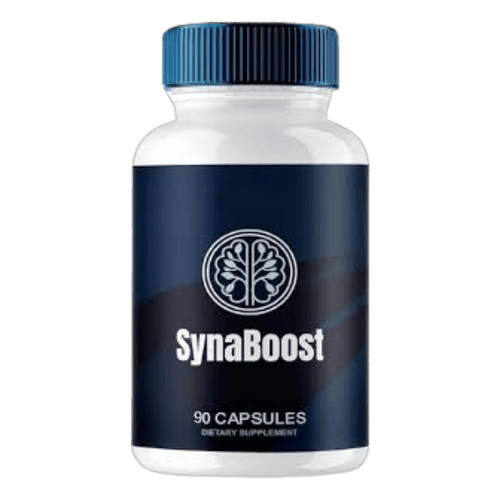
SynaBoost is promoted as a natural brain enhancement supplement claiming to improve focus, memory, mental clarity, and overall cognitive performance without medical supervision, lifestyle changes, or long-term effort. Marketed through aggressive online ads, fake neuroscience-style articles, fabricated success stories, and AI-generated “doctor” videos, our investigation uncovered deceptive marketing tactics, unverifiable ingredients, no clinical testing, lack of transparency, and a growing number of consumer complaints. This strongly indicates a deliberate SynaBoost scam targeting people concerned about concentration, memory decline, and mental performance.

What Is SynaBoost?
SynaBoost is marketed as a natural brain enhancement supplement that claims to boost focus, sharpen memory, improve mental clarity, and support long-term cognitive health without requiring medical treatment, therapy, or lifestyle changes. It is heavily promoted through misleading online advertisements, fake neuroscience and wellness articles, AI-generated promotional videos, fabricated testimonials, and unverified “expert” endorsements. The product is sold through anonymous websites with no confirmed manufacturer, no disclosed production facility, and no accountable company ownership. Ingredient sourcing, dosage accuracy, purity, and safety testing remain unproven, leaving consumers without credible evidence that SynaBoost is effective or safe.
Claims vs. Reality: Does SynaBoost Really Work?
Independent investigations and real user feedback consistently show that the SynaBoost supplement fails to deliver its promised cognitive benefits and lacks any legitimate scientific support.
| Claims by SynaBoost | Reality Based on Investigation |
|---|---|
| Improves focus and concentration naturally | No supplement can significantly enhance focus without clinical evidence |
| Boosts memory and recall ability | Users report no measurable memory improvement |
| Enhances brain performance in weeks | Cognitive changes do not occur rapidly from untested supplements |
| Supports long-term brain health | No studies confirm long-term neurological benefits |
| 100% natural and safe formula | Ingredient list, dosages, and purity are unverified |
| Clinically tested brain supplement | No published clinical trials or human studies exist |
| Doctor-recommended cognitive solution | Doctors shown in ads cannot be verified |
| No side effects guaranteed | Users report headaches, nausea, anxiety, and dizziness |
8 Proofs Why SynaBoost Is a Scam
Our investigation uncovered eight clear and undeniable proofs that expose SynaBoost brain enhancement capsules as a calculated and dangerous scam. These findings come from documented patterns in its sales funnels, reputation, and the way similar eye health scams operate.
1. Anonymous Manufacturer and Hidden Identity: SynaBoost has no stable, verifiable information about the company behind it, making its entire operation opaque and unaccountable. The name “SynaBoost” is pushed aggressively across sales pages and pseudo‑reviews, yet clear corporate details, a physical address, or identifiable leadership are consistently missing. This secrecy prevents buyers from knowing who actually produces SynaBoost, where it is manufactured, or what jurisdiction and regulations might apply to the product.
2. Deceptive Subscription and Billing Practices: SynaBoost is typically sold through cluttered, high‑pressure checkout flows that emphasize “limited‑time” discounts and bundle deals while burying any mention of recurring billing or subscription terms. Cancellation instructions, customer contact forms, and billing disclosures are often placed in fine print, on separate pages, or behind broken links, making it frustratingly difficult for customers to stop ongoing charges. This structure appears designed to lock users into repeat payments and maximize unauthorized billing rather than build genuine, long‑term customer satisfaction.
3. High‑Pressure and Misleading Marketing: The marketing for SynaBoost follows a classic scam funnel pattern, relying on autoplay sales videos, countdown timers, and fake “only a few bottles left” warnings to create artificial urgency. Claims of being “featured in major media” or endorsed by vague experts are used to generate unearned social proof, pushing people to buy before they can investigate ingredients, safety, or independent SynaBoost reviews. This kind of pressure‑driven strategy mirrors the behavior of known health‑product scams that prioritize quick cash grabs over user safety and informed consent.

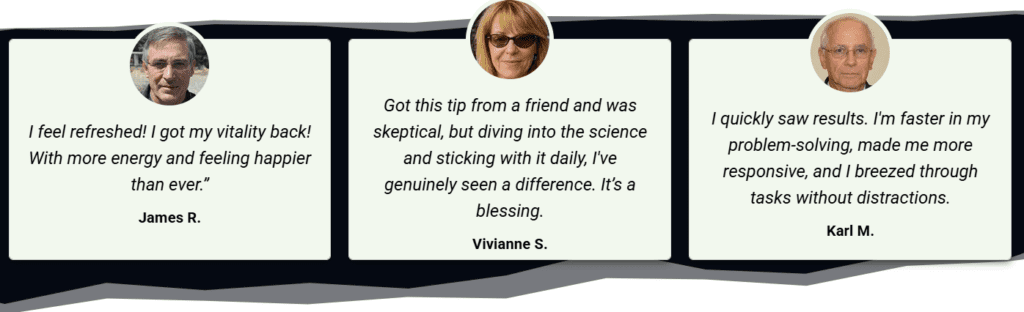
4. Negative Experiences Outside Seller Control: While official SynaBoost sales pages and affiliated sites showcase glowing testimonials and five‑star ratings, conversations on neutral platforms often paint a very different picture. In less controlled spaces, users describe SynaBoost as ineffective, overhyped, or even problematic, reporting no meaningful improvement in focus or memory and, in some cases, uncomfortable side effects. This stark contrast between curated praise and off‑platform criticism strongly suggests that SynaBoost’s positive public image is manufactured rather than earned.
5. Worthless Money‑Back Guarantee: SynaBoost is frequently advertised with “risk‑free” trials or bold money‑back guarantees meant to calm buyers’ doubts at the last minute. However, those who attempt to use these guarantees often run into stalling tactics, repetitive scripted responses, long delays, or outright refusal of refunds. Without a transparent, accountable company standing behind the product, these guarantees function primarily as bait to secure initial purchases instead of meaningful consumer protection.
6. Unverified and Potentially Dangerous Ingredients: The formula promoted for SynaBoost leans heavily on the language of “natural” nootropics and brain‑support ingredients, suggesting science‑backed benefits without offering solid verification. There is no trustworthy, independent confirmation that SynaBoost capsules actually contain the listed compounds in the claimed doses or purity, and label transparency is often incomplete or vague. This lack of clear, verifiable formulation information raises serious safety concerns, as users may be ingesting unknown or poorly controlled substances.
7. No Independent Testing or Certification: Legitimate cognitive supplements typically provide third‑party lab tests, quality seals, or clear evidence that they meet relevant manufacturing guidelines and standards. SynaBoost, by contrast, offers no credible, independently verifiable lab reports, certifications, or regulatory documentation only generic phrases about “high‑quality facilities” with no way to confirm them. By asking consumers to trust an opaque brand with no external validation, SynaBoost exposes users to unnecessary risk and removes any meaningful accountability if something goes wrong.
8. Fake‑Style Endorsements and Manipulated Ratings: SynaBoost heavily leans on fabricated‑sounding endorsements, vague “doctor” mentions, and polished, uniform five‑star reviews that read more like ad copy than genuine customer experiences. Negative feedback is minimized, buried, or simply not displayed on seller‑controlled pages, while handpicked positive SynaBoost reviews are showcased to create the illusion of universal satisfaction. Because the company controls these promotional spaces, it can delete criticism, seed fake praise, and maintain a dangerously misleading appearance of effectiveness and safety.
Is SynaBoost Scam or Legit?
SynaBoost is a scam. It targets people who are worried about focus, memory loss, and declining mental performance. It promises sharper thinking, improved concentration, and long-term cognitive support, but is sold through anonymous websites with no verifiable manufacturer, medical oversight, or regulatory accountability. The marketing strategy relies on fake neuroscience articles, AI-generated doctor endorsements, and fabricated testimonials. Real users report no improvement in focus or memory and complain of side effects such as headaches, nausea, anxiety, dizziness, and brain fog. Rotating sales funnels, hidden subscription traps, and ignored refund requests frequently lead to financial loss.
What SynaBoost Lacks vs. What a Legit Supplement Should Have
The differences between SynaBoost brain enhancement supplement and a legitimate brain enhancement supplement are obvious. Below is a direct comparison highlighting its most critical shortcomings:
| SynaBoost | A Legit Health Supplement |
|---|---|
| No verified manufacturer, business address, or registration | Transparent company identity with publicly available corporate and contact details |
| Uses fake testimonials, AI-generated videos, and misleading marketing | Supported by certified neurologists or health professionals with verifiable credentials |
| No testing documentation or confirmation of ingredient purity and dosage | Third-party lab testing to confirm safety, potency, and ingredient accuracy |
| Promotes rapid brain enhancement without medical or scientific basis | Makes realistic cognitive support claims backed by peer-reviewed research |
| Displays manipulated positive reviews on its own websites | Shows balanced, authentic customer reviews on neutral platforms like Trustpilot |
| Sold through anonymous websites, aggressive pop-ups, and rotating brand pages | Distributed through official websites or established, reputable retail channels |
SynaBoost Complaints and Reviews
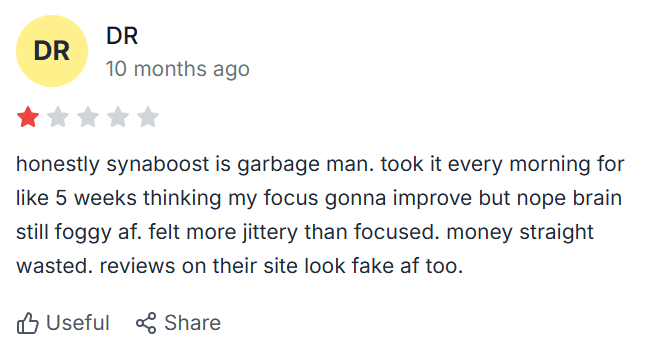
To keep the evaluation unbiased, we reviewed feedback from neutral platforms such as Reddit, Trustpilot, and Quora, where seller manipulation is less common. The response was largely negative. Most users reported no improvement in focus or memory, along with side effects like headaches, dizziness, nausea, and brain fog. Many also complained about unresponsive customer support and denied refunds. This consistent pattern strongly points to an ongoing SynaBoost scam driven by misleading marketing and poor consumer protection.
Daniel Rodriguez, USA, Texas, (Age 34, Male)
Source: Trustpilot
Emily Watson, UK, Manchester, (Age 29, Female)
Source: Facebook
i bought synaboost coz ads said memory boost fast lol lies i still forget stuff daily plus got headaches almost every night tried emailing support twice nobody reply feels like total scam honestly.
Ryan McAllister, Canada, Vancouver, (Age 31, Male)
Source: Twitter/X
synaboost pills taste weird sticky kinda chalky took them 30 days zero results no focus no clarity nothing i got rashes as well reviews on website look fake same wording everywhere wish i checked reddit first

Alicia Gomez, USA, California, (Age 27, Female)
Source: Quora
this synaboost supplement did nothing except make me anxious heart felt racing sometimes brain not calm at all stopped after 3 weeks yeah right nobody answer emails
Tom Bradley, Australia, Brisbane, (Age 40, Male)
Source: Trustpilot
synaboost pills is a joke ads hype it like miracle brain thing but i feel same dumb as before lol no memory improvement just lighter wallet support vanished after payment.
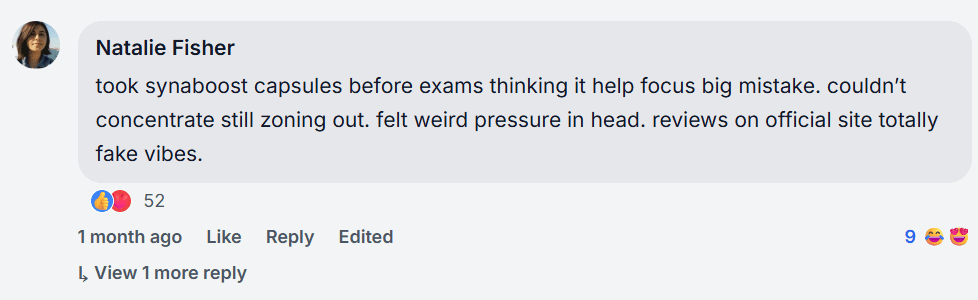
Natalie Fisher, Ireland, Dublin, (Age 32, Female)
Source: Facebook
SynaBoost Ingredients: Inside the Product
SynaBoost brain enhancement capsule's formulation is entirely unverified. Although it claims to contain natural nootropic compounds, vitamins, and herbal extracts to support brain health, there is no independent testing or transparency, leaving consumers uncertain about what they are actually ingesting.
- Bacopa Monnieri: A natural herb traditionally used for memory and learning support, but SynaBoost provides no confirmed dosage or proof of effectiveness.
- Ginkgo Biloba: A natural plant extract marketed to support blood flow and focus, yet there is no verification that SynaBoost contains a safe or functional amount.
- Ashwagandha: A natural adaptogenic herb promoted for stress reduction and mental balance, though its purity, strength, and presence are unconfirmed.
- Rhodiola Rosea: A natural root extract claimed to enhance mental performance and resilience, but sourcing quality and dosage details are not disclosed.
- Lion’s Mane Mushroom: A natural mushroom often associated with cognitive health, yet SynaBoost offers no evidence of its inclusion, potency, or absorption.

SynaBoost Ratings
The ratings for SynaBoost capsules are highly misleading and cannot be trusted. While promotional websites display near-perfect scores, independent consumer platforms reveal widespread dissatisfaction and clear signs of scam-style behavior.
| Website | Ratings | Reliability |
|---|---|---|
| Trustpilot | 1.6 / 5 | Reliable. Verified reviewers report no focus or memory improvement, side effects, and ignored refund requests. |
| Amazon | N/A | Unreliable. Listings are often removed or filled with suspicious, short-lived fake reviews. |
| Walmart | N/A | Unreliable. No verified listings; pages frequently redirect to external scam sales funnels. |
| BBB | Unrated | Reliable. No accredited business profile and no accountable company behind the product. |
| Official Website | 4.9 / 5 | Fake. Testimonials are curated, repetitive, and negative feedback is filtered out. |
SynaBoost Scam Risk Score
To evaluate consumer risk, SynaBoost supplement was analyzed across five critical scam indicators. The findings show extremely high risk and serious concerns for buyers.
| Metric | Risk Score (out of 10) | How We Rated It |
|---|---|---|
| Unverified Claims | 10/10 | Promises enhanced focus, memory, and cognitive performance without scientific proof. |
| Ingredient Transparency | 9/10 | No verified sourcing, dosage disclosure, or third-party purity testing. |
| Customer Complaints | 9.5/10 | Numerous reports of no results, side effects, refund issues, and unresponsive support. |
| Manufacturer Transparency | 10/10 | No registered manufacturer, corporate identity, or traceable production facility. |
| Marketing Honesty | 10/10 | Relies on fake doctor endorsements, AI-generated content, and manipulated testimonials. |
| Overall Scam Risk Score | 9.6 / 10 | Extremely High Risk |
Fake SynaBoost Websites
Multiple fraudulent websites promote SynaBoost using tactics designed to imitate legitimate health resources while funneling users into deceptive checkout pages.
| Website URL Types | Warning Signs / Notes |
|---|---|
| Fake “Brain Health News” Articles | Disguised as scientific reports but function as paid ads linking to scam pages. |
| Affiliate “Review” Blogs | Copy-paste praise written to earn commissions, not provide real analysis. |
| “Official” Sales Pages | Countdown timers, fake stock alerts, and no manufacturer disclosure. |
| Social Media Ad Links | Exaggerated cognitive claims leading to cloned checkout pages with hidden ownership. |
How We Investigated SynaBoost
Our investigation into SynaBoost followed a detailed, evidence-based approach designed to uncover misleading practices and verify whether the product’s claims could withstand scrutiny. The steps we took included:
Analyzing Customer Complaints: We gathered and reviewed a large volume of reports from neutral platforms such as Reddit, Trustpilot, and Quora. Recurring issues included no improvement in focus or memory, side effects like headaches, dizziness, anxiety, and nausea, along with unresponsive customer support and denied refund requests.
Scrutinizing Marketing Tactics: We examined aggressive advertising methods, including fake “limited-time” discounts, AI-generated doctor endorsements, fabricated success stories, and exaggerated claims of rapid brain enhancement that users consistently reported were never achieved.
Investigating the Company: Using domain registration tools and business lookup databases, we confirmed that the company behind SynaBoost is anonymous. Ownership details are hidden behind privacy services, a common red flag associated with scam supplement operations.
Verifying Claims vs. Evidence: We compared SynaBoost’s promises of improved focus, memory, and cognitive performance against real-world user experiences and available scientific data. No measurable or consistent benefits were found, confirming the claims are misleading.
Checking for Rebranded Scam Activity: Cross-checking consumer alerts and complaint forums revealed that the SynaBoost name is part of a recurring pattern where similar brain supplements are rebranded and relaunched to avoid accountability.
How to Identify Scam Supplements Like SynaBoost
To avoid deceptive products like SynaBoost brain enhancement capsules, consumers should watch for these common warning signs:
Promises of “Miracle” Brain Boosting: Legitimate supplements do not claim instant focus, rapid memory recovery, or effortless cognitive transformation.
Anonymous or Hidden Company: Products without a verifiable business name, physical address, or accountable ownership should be avoided.
No Third-Party Testing: Reputable brands publish independent lab reports verifying ingredient safety, dosage accuracy, and purity.
Fake Reviews and Pressure Tactics: Scam supplements rely on countdown timers, “limited stock” alerts, and fabricated testimonials to rush purchases.
Hidden Subscription Traps: Many fraudulent supplements automatically enroll buyers in recurring billing plans that are intentionally difficult to cancel, leading to ongoing financial loss.
SynaBoost Side Effects
SynaBoost capsules feature unconfirmed herbal and nootropic components, rendering side effects erratic and possibly severe:
- Bloating, gas, or abdominal cramps triggered by unidentified fillers or botanical extracts
- Headaches, lightheadedness, or nausea from imprecise amino acid or adaptogen dosages
- Allergic responses to elements like Rhodiola, L-Tyrosine, or undisclosed additives
- Risks of clashing with prescriptions, notably those for neurological conditions, antidepressants, or stimulants
- Tiredness, sluggishness, or mental haze from subpar or unbalanced brain formula
- Cognitive disruptions like brain fog or strain due to untested ingredient combinations
SynaBoost Refund Process
Do not rely on the seller’s customer service, as it is often unresponsive or fake. To protect yourself and recover funds:
- Report the transaction immediately to your bank or credit card issuer as fraudulent
- Provide the purchase details, website URL, and explain the seller’s anonymous and unverifiable identity
- Request a chargeback citing a deceptive or fraudulent product
- File a complaint with consumer protection agencies or relevant regulatory bodies in your country
- Ask your bank to block the merchant to prevent any recurring charges, a common complaint among victims
Expert-Reviewed & Customer-Approved


Final Verdict: Is SynaBoost Worth It?
No, SynaBoost is not worth it. The product is a risky scam that endangers both your finances and health. Customers are likely to receive ineffective or unsafe supplements from an untraceable and anonymous seller. To stay safe, only choose supplements from established brands with verified ingredients, transparent manufacturer details, and authentic customer feedback on reputable retail sites.
Frequently Asked Questions (FAQ)
How do I know if SynaBoost is real?
Authentic brain health supplements come from known brands with trustworthy retail presence. If you find SynaBoost through aggressive online ads, pop-ups, or suspicious websites, it’s almost certainly a scam.
What are the side effects of SynaBoost?
Users report nausea, headaches, jitteriness, and digestive issues due to unverified ingredients and unregulated nootropics. The risk of harmful reactions increases with unknown formulations.
Is SynaBoost safe to use?
Safety cannot be guaranteed since the product’s ingredient list is unclear and lacks dose verification. It’s especially risky to consume counterfeit or non-regulated supplements. Consult a healthcare provider before using any cognitive product.
Has anyone used SynaBoost? What were the results?
Independent reviews reveal most users experience no significant cognitive improvement and some suffer side effects or worsening brain fog after use.
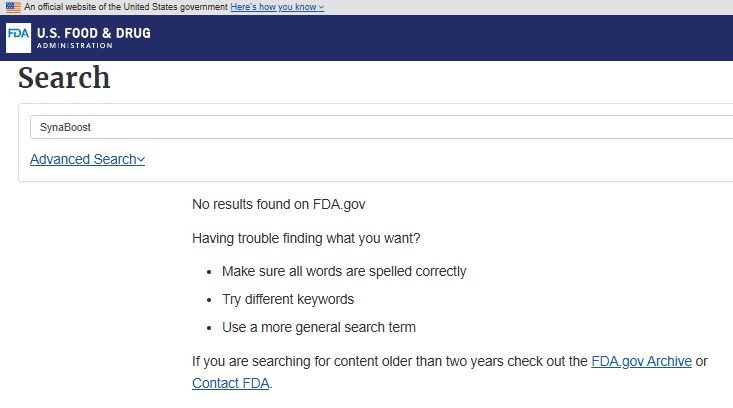
Is SynaBoost approved by the FDA?
No. SynaBoost does not have FDA approval or compliance with strict testing standards required for safe supplements or drugs.
Where can I buy the real SynaBoost?
There is no verified source for a genuine product. Avoid buying from third-party sellers or scammy advertisements. Instead, opt for supplements from reputable manufacturers with clear labeling.
Are there fake SynaBoost websites?
Yes. Numerous fraudulent sites mimic official sellers, featuring fake discounts, countdown clocks, and fabricated testimonials to scam buyers.
Does SynaBoost really work for brain enhancement?
No reliable evidence supports its effectiveness. Buyers report no true focus, memory, or cognitive benefits.
Who makes SynaBoost?
The manufacturer is unknown, with no verifiable details or accountability, leading to numerous scam complaints.
How can I avoid SynaBoost scams online?
Avoid impulsive purchases from social media ads or urgent sales funnels offering huge discounts. Stick with supplements from trusted brands sold on official or well-known retail sites.
Are there real customer reviews for SynaBoost?
Most positive reviews appear manipulated or fake. Genuine user feedback found on neutral forums reflects disappointment, ineffectiveness, and adverse effects.
Sources
- Dresler, M., Sandberg, A., Bublitz, C., Ohla, K., Trenado, C., Mroczko-Wasowicz, A., Kühn, S. and Repantis, D., 2018. Hacking the brain: dimensions of cognitive enhancement. ACS chemical neuroscience, 10(3), pp.1137-1148. Available at: https://pubs.acs.org/doi/full/10.1021/acschemneuro.8b00571
- Chatterjee, A. and Chatterjee, A., 2013. Brain enhancement in healthy adults. Neuroethics in practice, pp.3-15. Available at: https://books.google.com.np/books?hl=en&lr=&id=QeVoAgAAQBAJ&oi=fnd&pg=PA3&dq=Brain+Enhancement&ots=HlhuB_0XOm&sig=NdZAEe9X0Xp8_JIe4OMaN2jaMhI&redir_esc=y#v=onepage&q=Brain Enhancement&f=false
- Clark, V.P. and Parasuraman, R., 2014. Neuroenhancement: enhancing brain and mind in health and in disease. Neuroimage, 85, pp.889-894. Available at: https://www.sciencedirect.com/science/article/pii/S1053811913009385
- De Jongh, R., Bolt, I., Schermer, M. and Olivier, B., 2008. Botox for the brain: enhancement of cognition, mood and pro-social behavior and blunting of unwanted memories. Neuroscience & Biobehavioral Reviews, 32(4), pp.760-776. Available at: https://www.sciencedirect.com/science/article/abs/pii/S0149763408000055
- Taya, F., Sun, Y., Babiloni, F., Thakor, N. and Bezerianos, A., 2015. Brain enhancement through cognitive training: a new insight from brain connectome. Frontiers in systems neuroscience, 9, p.44. Available at: https://www.frontiersin.org/journals/systems-neuroscience/articles/10.3389/fnsys.2015.00044/full

Dr. Michael Harper is a board-certified cardiologist with a focus on cardiovascular health and supplement-related risks to the heart and circulatory system. He earned his Doctor of Pharmacy (Pharm.D.) from the University of Toronto and later completed cardiology training at Toronto General Hospital. Dr. Harper has worked as a Clinical Research Pharmacist and cardiology consultant, studying supplement-induced blood pressure changes, heart risks, and interactions with prescribed medications. He is dedicated to raising awareness about unsafe supplements that claim to “boost heart health.”