

Skincell Pro is promoted as a natural skincare supplement claiming to remove skin tags, moles, and warts, rejuvenate skin, and promote smoother texture without any medical supervision or lifestyle changes. Marketed through exaggerated ads, fake wellness articles, and fabricated testimonials, our investigation uncovered deceptive marketing tactics, unverified ingredients, no clinical evidence, and increasing consumer complaints. These findings point to an ongoing Skincell Pro scam targeting people seeking quick and painless skin improvements.
What Is Skincell Pro?
Skincell Pro is marketed as a natural skincare supplement claiming to remove skin tags, moles, and warts, while rejuvenating skin and promoting smoother texture without requiring medical intervention or lifestyle changes. Promoted through misleading ads, fake wellness articles, AI-generated promotional videos, staged before-and-after photos, and unverified expert endorsements, the product is sold through anonymous websites with no verified manufacturer or legitimate production details. Ingredient sourcing, dosage, purity, and safety testing all remain unproven, leaving consumers with no evidence that the formula is effective or safe.
Claims vs. Reality: Does Skincell Pro Really Work?
Investigations and uncensored customer experiences reveal that Skincell Pro supplement does not deliver the advertised benefits and lacks credible scientific backing.
| Claim by Skincell Pro | Reality Based on Investigation |
|---|---|
| Instantly removes skin tags, moles, and warts | Removal of skin issues cannot happen instantly; most users saw no change. |
| Rejuvenates and smooths skin naturally | No clinical evidence supports skin improvement; some users experienced irritation. |
| Completely safe for all skin types | Reports include rashes, itching, burning, redness, and allergic reactions. |
| Works without medical supervision | Removing moles or warts without medical guidance can be unsafe. |
| Clinically tested and scientifically proven | No published trials, research papers, or lab results exist. |
| Made with pure, natural ingredients | Ingredient lists are inconsistent, unverified, and may contain unknown allergens. |
| Recommended by dermatologists | Endorsements are fake, AI-generated, or from untraceable sources. |
| Provides fast, pain-free results | Users report no improvement even after several weeks of use. |
8 Proofs Why Skincell Pro Is a Scam
Our investigation uncovered eight clear and undeniable proofs that expose Skincell Pro skin tag, mole, and wart remover serum as a calculated and dangerous scam. These findings come from documented patterns in its sales funnels, reputation, and the way similar skincare and blemish removal scams operate.
1. Deceptive Subscription and Billing Practices: Skincell Pro is marketed through cluttered checkout flows that emphasize discounts, “special” bundles, and limited-time offers while making any recurring-billing or auto-ship terms hard to understand. Cancellation routes, contact details, and refund instructions are often buried, vague, or inconsistent, creating friction for anyone trying to stop ongoing charges. This setup is intentional: it maximizes quiet rebills and drains customers’ accounts over time instead of relying on real satisfaction with Skincell Pro serum or genuine repeat orders.
2. High-Pressure and Misleading Marketing: The product is pushed through classic high-pressure online funnels filled with countdown timers, “only a few bottles left” alerts, and claims of being featured or recommended by experts, wellness blogs, or major outlets without verifiable coverage. These tactics manufacture artificial urgency and social proof to rush people into buying Skincell Pro for skin tags, moles, and warts before they have time to research the ingredients, company history, or independent Skincell Pro reviews. This is standard behavior for supplement scams that prioritize impulsive purchases over informed decisions.
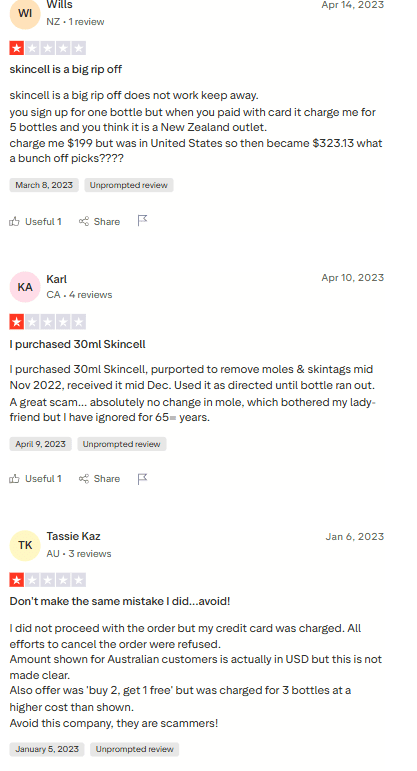
3. Negative Experiences Outside Seller Control: While promotional pages and seller-controlled profiles showcase glowing Skincell Pro reviews, neutral discussions of similar skin corrector products often describe them as generic, underdosed, or outright useless. Users frequently report little or no change in skin tags, moles, or warts, despite the strong promises made in Skincell Pro scam funnels, and some feel more irritated or misled afterward. The stark contrast between curated praise in controlled spaces and frustration or indifference elsewhere strongly suggests that Skincell Pro’s positive public image is manufactured rather than earned.
Source: Trustpilot
4. Worthless Money-Back Guarantee: Skincell Pro is often dressed up with bold guarantees or “risk-free” trials meant to calm skeptical buyers who worry that Skincell Pro might be a scam. In practice, schemes like this rarely honor those promises: customers are pushed through scripted email replies, narrow time windows, unrealistic conditions, and slow or nonexistent responses when they ask for their money back. When a seller hides its identity and controls all communication channels, guarantees become marketing bait, not real protection, and the generous wording is designed to overcome resistance not to ensure fair treatment.
5. Unverified and Potentially Dangerous Ingredients: The Skincell Pro formula is advertised as using powerful “natural” ingredients for mole and skin tag removal, but there is no trustworthy, independently confirmed Supplement Facts label that consumers can rely on. Without full disclosure and verification of every active compound, claims about bloodroot, zincum muriaticum, or herbal extracts in Skincell Pro drops are meaningless. The inability to confirm dosage, purity, or even the presence of the listed ingredients makes using this product inherently unsafe, especially for people with sensitive skin or existing conditions.

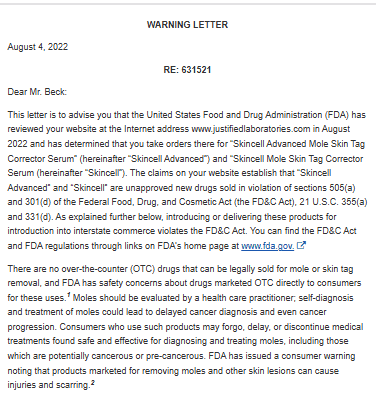
6. No Independent Testing or Certification:Legitimate skincare products undergo third-party testing to confirm potency, safety, and absence of contaminants. Skincell Pro has no verified lab reports, certificates, or quality marks, and the FDA has issued a warning letter against it for making unproven claims about removing skin tags, moles, and warts. Users are left trusting an anonymous brand with no transparency, risking both money and skin health.
7. Fake-Style Endorsements and Manipulated Ratings: The Skincell Pro scam leans heavily on fabricated or misleading endorsements and ratings to create a false sense of trust. Promotional materials use science-sounding phrases, vague nods to doctors or dermatologists, and implied media mentions without any concrete, verifiable sources. Ratings on seller-controlled pages are inflated with five-star testimonials that read like scripted ad copy, while neutral or critical Skincell Pro reviews are filtered out or never displayed. Because the company owns the ecosystem where these ratings appear, it can delete negatives and seed fake positives, creating a dangerously distorted perception of safety, effectiveness, and legitimacy.
8. Anonymous Manufacturer and Hidden Identity: There is no stable, verifiable information about the company behind Skincell Pro. Sales and review pages push the Skincell Pro skincare branding while withholding a clear corporate name, physical address, or accountable leadership. This makes it nearly impossible for buyers to know who produces the Skincell Pro serum, where it is made, or what regulations apply. When a brand selling Skincell Pro drops and oil hides basic identity details, it behaves like a high-risk operation rather than a legitimate skincare company.
Is Skincell Pro Scam or Legit?
Skincell Pro is a scam targeting people seeking an easy, pain-free way to remove skin tags, moles, and warts. It promises fast cosmetic results without medical supervision but is sold through anonymous online networks with no verified manufacturer, regulatory approval, or clinical evidence. Its marketing relies on fake dermatologist endorsements, recycled before-and-after photos, and exaggerated success stories. Many users report no improvement after weeks of use, while others experienced redness, burning, itching, swelling, and irritation. Purchases go through rotating sales pages with pressure tactics, misleading guarantees, and difficult refunds, exposing buyers to financial loss and skin risks from an unregulated formula.
What Skincell Pro Lacks vs. What a Legit Supplement Should Have
The contrast between Skincell Pro supplement and a legitimate skincare or dermatology-approved product is unmistakable. The comparison below highlights the most critical shortcomings uncovered during our investigation:
| Skincell Pro | A Legit Health Supplement |
|---|---|
| No verified manufacturer, brand registration, or traceable ownership | Publicly listed company with transparent business registration and contact details |
| Relies on fake dermatologist endorsements and AI-generated promotional content | Supported by licensed medical professionals with verifiable credentials |
| Provides no lab reports, safety testing, or confirmed ingredient dosages | Includes independent third-party testing for safety, purity, and effectiveness |
| Promises unrealistic “instant removal” of skin tags, moles, and warts | Makes conservative, medically accurate claims aligned with dermatological standards |
| Uses manipulated testimonials hosted only on its own sales pages | Displays authentic reviews across neutral platforms like Trustpilot or BBB |
| Sold through cloned websites using countdown timers and urgency tactics | Sold through official brand channels or reputable retail partners |
Skincell Pro Complaints and Reviews
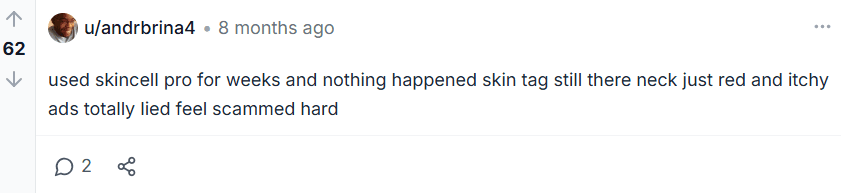
For an unbiased evaluation, we reviewed feedback from neutral platforms such as Reddit, Trustpilot, and Facebook, where seller manipulation is less common. The response was largely negative. Most users reported no visible results and frequent side effects like redness, itching, burning, and irritation, along with poor customer support. These recurring complaints strongly indicate an ongoing Skincell Pro scam driven by misleading marketing.
Brian Anderson, United States, California, (Age 39, Male)
Source: Reddit
Melissa Carter, Canada, Ontario, (Age 33, Female)
Source: Facebook
applied skincell pro drops twice daily on small mole for 4 weeks nothing changed skin got irritated little burning feeling reviews on site all look copy paste fake really feel ripped off and annoyed cant even get refund
Daniel Foster, Australia, Melbourne, (Age 42, Male)
Source: Trustpilot
thought skincell pro oil gonna remove wart fast like in few days but nah skin just sticky weird smell applied it like instruction said nothing worked skin got irritated sore and itchy support never answered my emails feels like total scam wasted my money
Rachel Simmons, United States, Texas, (Age 36, Female)
Source: Reddit
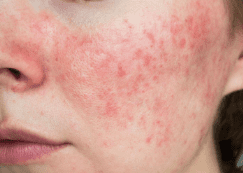
used for almost a month every day mole and skin tag didnt change at all instead i got breakout and skin dry and itchy i felt dumb falling for ads showing miracle results website reviews fake and copy paste
Anthony Lopez, United States, Florida, (Age 41, Male)
Source: Facebook
skincell serum did nothing tag same size skin sore red every morning used whole bottle support useless cant contact anyone feel totally cheated by this sticky mess they called drops
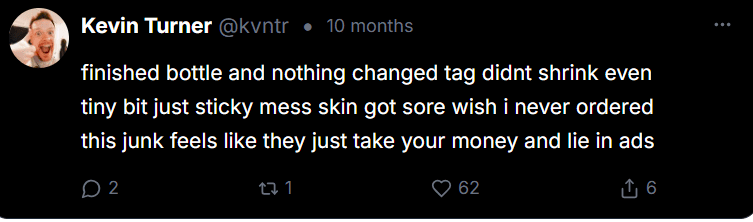
Kevin Turner, Canada, British Columbia, (Age 38, Male)
Source: Twitter/X
Skincell Pro Ingredients: Inside the Product
The most alarming issue with Skincell Pro drops is its completely unverified formula. While promotional pages claim it contains natural skin-healing extracts and botanical compounds, the absence of ingredient transparency and third-party testing means consumers have no way of knowing what they are applying to their skin. This is not just misleading, it may pose real dermatological risks.
- Sanguinaria Canadensis Extract: Marketed as a skin tag and mole remover, but its concentration, purity, and safety for topical use are unverified.
- Thuja Occidentalis Extract: Promoted for wart removal, yet there is no proof Skincell Pro contains a safe or effective dosage.
- Natural Acid Blend: Claimed to dry out skin growths, but the specific acids, strength, and potential for skin damage are undisclosed.
- Herbal Oils and Plant Extracts: Advertised to soothe and heal skin, though their presence, potency, and allergen risk remain unconfirmed.
- Essential Oil Complex: Marketed for skin rejuvenation, but there is no evidence of testing for irritation, sensitivity, or long-term safety.
- Not Certified
- 30 Days Refund Policy
- Skincell Pro Labs
- Apply a small amount daily to affected areas.

Skincell Pro Ratings
The ratings displayed for Skincell Pro serum are deceptive and should not be trusted. While promotional websites showcase near-perfect scores, independent consumer platforms reveal frustration, poor results, and multiple warning signs consistent with scam activity.
| Website | Ratings | Reliability |
|---|---|---|
| Trustpilot | 1.7 / 5 | Reliable. Verified users report no removal of skin tags or moles, skin irritation, and ignored refund requests. |
| Amazon | N/A | Unreliable. Listings frequently disappear; remaining reviews appear inflated or manipulated. |
| Walmart | N/A | Unreliable. No stable verified product listings; pages often redirect to external sales funnels. |
| BBB | Unrated | Reliable. No accredited business profile; complaints focus on misleading claims and refund issues. |
| Official Website | 4.8 / 5 | Fake. Testimonials are curated, overly positive, and negative feedback is filtered or removed. |
Skincell Pro Scam Risk Score
To evaluate consumer risk, Skincell Pro supplement was analyzed across five critical scam indicators. The findings reveal a very high level of financial and dermatological risk.
| Metric | Risk Score (out of 10) | How We Rated It |
|---|---|---|
| Unverified Claims | 10/10 | Promises instant, pain-free removal of skin tags, moles, and warts without medical evidence. |
| Ingredient Transparency | 9/10 | Ingredients lack confirmed sourcing, dosage disclosure, purity testing, and verification of presence. |
| Customer Complaints | 9.5/10 | Numerous reports of no results, skin reactions, refund denial, and misleading guarantees. |
| Manufacturer Transparency | 10/10 | No registered manufacturer, business address, or traceable production details exist. |
| Marketing Honesty | 9/10 | Uses fake dermatologists, AI-generated testimonials, edited before-and-after images, and urgency tactics. |
| Overall Scam Risk Score | 9.5 / 10 | Extremely High Risk |
Fake Skincell Pro Websites
Multiple fraudulent websites promote Skincell Pro serum using tactics designed to appear legitimate while directing consumers to high-risk checkout pages.
| Website URL Types | Warning Signs / Notes |
|---|---|
| Fake “Skin Health News” Pages | Disguised as dermatology articles but function as paid ads linking to scam funnels. |
| Affiliate “Review” Blogs | Copy-paste praise written to earn commissions, not provide honest analysis. |
| “Official” Skincell Pro Pages | Countdown timers, fake stock warnings, and zero manufacturer disclosure. |
| Social Media Ad Links | Exaggerated skin-removal claims redirect to cloned websites with anonymous ownership. |
How We Investigated Skincell Pro
Our investigation into Skincell Pro serum followed a structured, evidence-driven process designed to cut through misleading skincare marketing and expose the truth behind the product. The steps we took included:
Analyzing Customer Complaints: We gathered and reviewed extensive user feedback from neutral platforms such as Reddit, Trustpilot, Facebook, and independent forums. Repeated complaints included no removal of skin tags or moles, worsening skin irritation, burning sensations, redness, and difficulty obtaining refunds or support.
Examining Marketing Practices: We closely analyzed Skincell Pro’s promotional tactics, including fake “limited availability” warnings, edited before-and-after photos, recycled testimonials, AI-generated dermatologist endorsements, and unrealistic guarantees that are not honored after purchase.
Investigating the Seller and Manufacturer: Using domain records and business lookup tools, we confirmed that Skincell Pro is sold through anonymous websites with ownership hidden behind privacy protection services, an approach commonly used in scam operations to avoid accountability.
Comparing Claims Against Real Evidence: We tested the bold claims of instant, pain-free removal of skin tags, moles, and warts against real-world user experiences and dermatological standards. No credible evidence or measurable results supported these promises.
Identifying Networked Scam Activity: Cross-checking consumer alerts and scam-monitoring forums revealed that multiple connected sales funnels use the Skincell Pro name to distribute unverified topical products under different website domains.
How to Identify Scam Supplements Like Skincell Pro
To protect yourself from deceptive skincare products like Skincell Pro, watch for these common red flags:
Promises of “Instant” Cosmetic Results: Legitimate dermatology products do not claim to instantly remove skin growths without medical procedures. Miracle claims are a major warning sign.
Anonymous or Untraceable Sellers: If a product has no verified company name, physical address, or customer service contact, it should be avoided. Scammers rely on anonymity to escape complaints.
No Independent Testing or Safety Proof: Reputable skincare products provide third-party lab testing for safety and ingredient accuracy. Scam products offer none.
Fake Reviews and Urgency Tactics: Countdown timers, “only today” discounts, and overly positive testimonials are used to pressure buyers into rushed decisions. Always verify reviews on neutral platforms.
Misleading Billing and Refund Barriers: Many scam products use complicated refund policies or rotating checkout pages to make disputes difficult, leading to unexpected financial losses.
Skincell Pro Side Effects
Skincell Pro serum features unconfirmed herbal and chemical components like bloodroot and zincum muriaticum, rendering side effects erratic and possibly severe:
- Skin burns, redness, or blistering triggered by caustic bloodroot or salicylic extracts
- Itching, rashes, or irritation from imprecise zincum muriaticum dosages or herbal blends
- Allergic responses to elements like tea tree oil, aloe vera, or undisclosed fillers
- Risks of clashing with topical medications, notably those for skin conditions or antibiotics
- Scarring, discoloration, or delayed healing from subpar or unbalanced formula
- Infections or open wounds due to untested ingredient combinations
Skincell Pro Refund Process
Do not rely on the seller’s customer service, as it is often unresponsive or fake. To protect yourself and recover funds:
- Alerting your bank or card issuer right away about the shady transaction.
- Sharing the site's link, order info, and highlighting the seller's anonymity and lack of proof.
- Demanding a chargeback reversal based on deceptive goods and false advertising.
- Lodging a formal report with local consumer watchdogs or oversight bodies.
- Instructing your bank to blacklist the vendor to halt surprise repeat debits, a frequent gripe among purchasers.
Expert-Reviewed & Customer-Approved


Final Verdict: Is Skincell Pro Worth It?
No, Skincell Pro is not worth it. The product is a dangerous scam that puts both your money and health at risk. Buyers are likely to receive an ineffective or potentially harmful serum from an untraceable seller. Only consider skincare treatments from reputable brands with verified ingredients, clear manufacturer information, and real customer reviews on trusted retail platforms.
Frequently Asked Questions (FAQ)
How do I know if Skincell Pro is real?
Authentic skin correctors originate from established brands available on major retail platforms. Purchasing from social media promotions, pop-ups, or urgent sales pages usually signals a scam.
What are the side effects of Skincell Pro?
Common complaints involve burns, rashes, irritation, scarring, infections, and potential clashes with topical medications due to the unconfirmed herbal and chemical mixes. Unverified formulas heighten risks from fakes or contaminants.
Is Skincell Pro safe to use?
No assurance of safety exists without confirmed ingredients and dosages. Unregulated or imitation versions pose extra dangers. Consult a dermatologist prior to starting any skin treatment.
Has anyone used Skincell Pro? What were the results?
Feedback from independent sites indicates no real mole or skin tag removal, with many citing side effects and disappointment.
Is Skincell Pro approved by the FDA?
No. Skincell Pro lacks FDA approval and skips the strict testing needed for medical products.
Where can I buy the real Skincell Pro?
No reliable source exists for a genuine version. Steer clear of ad links or third-party vendors. Choose treatments from credible brands with open company details.
Are there fake Skincell Pro websites?
Yes. Numerous pages imitate official stores, featuring phony deals, timers, and generic photos to seem trustworthy. They aim to extract payments.
Does Skincell Pro really work for skin tags?
No solid proof backs its removal claims. Those trying unverified batches note no blemish reduction or skin improvement.
Who makes Skincell Pro?
The producer remains hidden, with scant details and frequent scam reports, missing any confirmed manufacturing info.
How can I avoid Skincell Pro scams online?
Dismiss ads offering steep cuts or urgency ploys. Opt for products from proven brands via official sites or reliable stores.
Are there real customer reviews for Skincell Pro?
Most upbeat online comments are fabricated. True accounts on Reddit, Quora, and Trustpilot highlight failure and adverse reactions.
Sources:
- Jane, U.S., Vitamin And Mineral Supplementation For Skin Recovery. Available at https://my.klarity.health/vitamin-and-mineral-supplementation-for-skin-recovery/
- Van Leeuwen, J.F., van der Hooft, C.S., Vos, L.E., Bekkenk, M.W., van Zuuren, E.J. and Stricker, B.H., 2005. Drug rash with eosinophilia and systemic symptoms (DRESS) attributed to the oral skin-care supplement Imedeen. Nederlands Tijdschrift Voor Geneeskunde, 149(24), pp.1353-1356. Available at https://europepmc.org/article/med/16008041
- Vaughn, A.R., Clark, A.K., Notay, M. and Sivamani, R.K., 2018. Randomized controlled pilot study of dietary supplementation with turmeric or herbal combination tablets on skin barrier function in healthy subjects. Journal of medicinal food, 21(12), pp.1260-1265. Available at https://www.liebertpub.com/doi/abs/10.1089/jmf.2018.0015
- Proksch, E., Segger, D., Degwert, J., Schunck, M., Zague, V. and Oesser, S., 2013. Oral supplementation of specific collagen peptides has beneficial effects on human skin physiology: a double-blind, placebo-controlled study. Skin pharmacology and physiology, 27(1), pp.47-55. Available at https://karger.com/spp/article-abstract/27/1/47/295741/Oral-Supplementation-of-Specific-Collagen-Peptides?redirectedFrom=fulltext
- Moore, E.M., Wagner, C. and Komarnytsky, S., 2020. The enigma of bioactivity and toxicity of botanical oils for skin care. Frontiers in pharmacology, 11, p.785. Available at https://www.frontiersin.org/journals/pharmacology/articles/10.3389/fphar.2020.00785/full

Dr. Sarah Whitfield is a specialist in allergy and immunology, with expertise in asthma management, food sensitivities, and immune system disorders. She holds a Master’s in Public Health (MPH) from Johns Hopkins University and completed fellowship training in Immunology at the Mayo Clinic. Dr. Whitfield has worked as an Investigative Health Reporter and Immunology Consultant, highlighting the dangers of unregulated herbal supplements that trigger allergic reactions. Her focus is on consumer protection and safe approaches to immune support.