
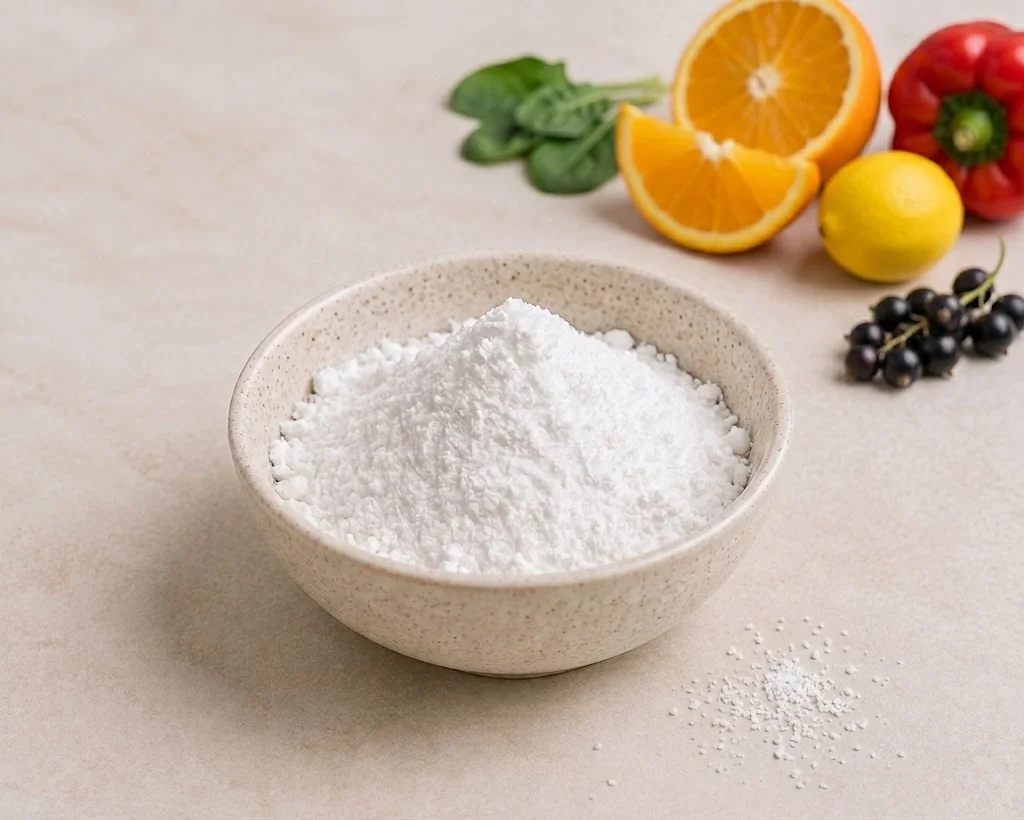
Vitamin C is a vital water-soluble nutrient that serves as a powerful antioxidant and a critical cofactor for numerous enzymatic reactions in the human body. It is highly popular in the wellness community due to its well-documented role in supporting immune health and cellular defense. Because the human body cannot synthesize or store this essential compound, it must be obtained daily through diet or specialized dietary supplements. People frequently seek out this ingredient to support healthy skin, collagen production, and overall vitality, as detailed by the NIH Office of Dietary Supplements. Its versatile biological profile makes it a cornerstone of modern nutritional science and a frequent addition to comprehensive daily wellness routines across the globe today [1].
What Is Vitamin C?
Vitamin C, scientifically known as ascorbic acid, is a six-carbon lactone structurally similar to glucose. Historically, its critical importance was discovered in the eighteenth century when Scottish physician James Lind identified citrus fruits as the cure for scurvy, a devastating disease affecting sailors. In nature, it is abundant in various fruits and vegetables, particularly citrus, berries, and leafy greens. While traditional healers utilized these whole foods to promote wound healing and general vigor, modern supplement use focuses heavily on its potent antioxidant capabilities and its critical role in supporting connective tissue integrity. Dietary supplements typically provide synthetic ascorbic acid or buffered mineral ascorbates in tablet, powder, or liposomal form to ensure optimal gastrointestinal absorption, according to comprehensive historical reviews on MedlinePlus [2].
How Does Vitamin C Work?
Vitamin C functions inside the body primarily by acting as an essential electron donor for several crucial metalloenzymes. This vital biological mechanism allows cells to efficiently synthesize collagen, carnitine, and specific neurotransmitters required for optimal physiological function. Beyond basic structural support, its active ascorbate compounds interact with specific free radical scavenging pathways, neutralizing reactive oxygen species to maintain healthy cellular membranes and protect delicate tissues from oxidative stress [3]. Furthermore, this intricate electron-donating process helps regenerate other vital antioxidants, such as vitamin E, significantly amplifying the overall systemic defense network. Once ingested, these bioactive compounds are rapidly absorbed in the small intestine via specific sodium-dependent transporters, though their overall bioavailability can decrease at very high oral doses. They are quickly distributed to metabolically active tissues, particularly the brain and adrenal glands, before eventual renal excretion [1].
Potential Health Benefits of Vitamin C
Supports Healthy Immune Function
Vitamin C is widely studied for its potential to support healthy immune defenses and overall seasonal resilience. Preliminary evidence indicates that daily supplementation may enhance white blood cell function through the activation of specific phagocytic pathways [3]. It is commonly used by individuals seeking natural immune support during demanding seasons. Current evidence suggests it may help promote healthy cellular defense and reduce the duration of mild seasonal discomforts [1].
Promotes Healthy Skin and Collagen Synthesis
Research suggests vitamin C may help support healthy skin appearance by optimizing collagen synthesis in the dermal layers [4]. It is commonly used in dermatological support formulations to protect structural tissues from daily environmental damage. By enhancing the ability to produce stable collagen fibers efficiently, it may promote healthy skin elasticity and firmness. However, these structural effects require further validation in larger clinical cohorts to determine optimal topical or oral dosing [1].
Supports Cellular Antioxidant Defense
Vitamin C is frequently studied for its potential to maintain healthy cellular integrity by supporting optimal free radical neutralization and reducing mild systemic oxidative stress [1]. People commonly take it to protect systemic tissues from environmental damage and metabolic exhaustion. By improving overall cellular resilience, it may help maintain healthy tissue vitality already within the normal range. Current research highlights its potential role in comprehensive wellness protocols across diverse populations globally [2].
Supports Healthy Cardiovascular Function
Preliminary research suggests that vitamin C may help support cardiovascular wellness by influencing the natural modulation of endothelial function and protecting vascular tissues [2]. Individuals commonly use it to promote arterial flexibility and soothe occasional endothelial stress associated with normal daily wear and tear. It is traditionally included in metabolic blends to support overall systemic efficiency. Current evidence indicates it may help maintain healthy blood vessel integrity and optimal circulatory balance [3].
Supports Healthy Iron Absorption
Vitamin C is often included in specialized formulations designed to support the body’s natural non-heme iron absorption and protect delicate intestinal tissues from oxidative damage [1]. Research suggests its potent reducing properties help convert dietary plant iron into a more bioavailable form for systemic use. It is commonly used to promote healthy blood composition and metabolic stability in plant-based populations. Current clinical research highlights its promising role in comprehensive daily hematological wellness protocols [4].
Supports Healthy Cognitive Vitality
Holistic practitioners often include vitamin C in specialized formulations designed to support the body’s natural neuroprotective pathways and protect systemic neural tissues from oxidative degradation [3]. Research suggests its potent antioxidant properties help support healthy cognitive function and physical responsiveness in aging populations. It is commonly used to promote healthy neurological vitality and metabolic stability. Current clinical research highlights its promising role in comprehensive daily mental wellness protocols [2].
Natural Food Sources
Vitamin C is naturally abundant in a wide variety of fresh plant foods, making dietary intake relatively easy for most individuals. It is highly concentrated in many common dietary staples, though heat can degrade its potency. Excellent natural sources include:
- Citrus fruits like oranges, grapefruits, and lemons
- Bell peppers, broccoli, and Brussels sprouts
- Strawberries, kiwi, and papaya
- Leafy greens such as spinach and kale
Because cooking often destroys this heat-sensitive nutrient, individuals seeking therapeutic benefits typically rely on standardized dietary supplements [1].
Why Is It Included in Dietary Supplements?
Vitamin C is prominently featured in immune support, skin health, and comprehensive antioxidant wellness supplements. It is frequently paired with synergistic ingredients such as zinc, elderberry, echinacea, and bioflavonoids to enhance overall cellular defense and systemic absorption [2]. The overall purpose of these combinations is to provide robust metabolic assistance across multiple biological systems. Typical formulations deliver between five hundred and two thousand milligrams daily, often utilizing highly bioavailable liposomal ascorbic acid or buffered mineral ascorbates to maximize systemic uptake and minimize gastrointestinal degradation across diverse populations [1].
Safety and Possible Side Effects
Vitamin C is generally considered exceptionally safe when consumed at standard supplemental dosages ranging from five hundred to two thousand milligrams daily. Most clinical trials report excellent tolerability over periods of continuous, long-term use because it is a water-soluble vitamin that the body easily excretes. However, common mild side effects may include occasional gastrointestinal discomfort, mild diarrhea, nausea, or slight abdominal cramping in highly sensitive individuals taking massive doses. Appropriate dosage considerations are crucial, as excessively high intake can occasionally lead to adverse metabolic shifts or increase the risk of kidney stones in susceptible individuals. Always start with the lowest effective dose to properly assess individual tolerance, per general dietary supplement recommendations provided by health authorities [1].
Precautions and Possible Interactions
Vitamin C may interact with several important categories of prescription medications and medical conditions. Because it enhances non-heme iron absorption, individuals taking iron overload medications or those with hemochromatosis should consult a qualified healthcare professional before supplementing to avoid excessive tissue iron accumulation [1]. It may also interact with certain chemotherapy agents, statins, and blood-thinning medications like warfarin, potentially altering their systemic metabolism in unpredictable ways. Pregnant and breastfeeding women should ensure adequate intake through standard prenatal vitamins rather than high-dose supplementation without medical supervision. Individuals scheduled for specific medical procedures or angioplasty should verify their supplement status beforehand. Anyone with an existing medical condition must seek guidance from a qualified healthcare professional before starting [2].
Current Scientific Research
Human Studies
Multiple randomized controlled trials have evaluated vitamin C for immune resilience, skin aging, and cardiovascular health. A comprehensive systematic review found that oral administration modestly improved immune cell function and reduced the duration of mild seasonal discomforts, though its impact on preventing initial onset remains somewhat debated across diverse cohorts [3].
Animal Studies
Laboratory and animal research highlights the nutrient’s strong ability to enhance collagen cross-linking and protect delicate neural tissues from oxidative damage in controlled environments [4]. Rodent models consistently demonstrate improved wound healing and vascular integrity following prolonged administration of ascorbic acid.
Overall Evidence
The current evidence supports vitamin C as an essential nutrient for immune wellness and structural support. However, study methodologies vary widely, and optimal dosing for specific subclinical deficiencies remains undefined. Larger, standardized clinical trials are necessary to fully establish its long-term efficacy profile [1].
Frequently Asked Questions
What is vitamin C used for?
Vitamin C is primarily used to support healthy immune function, improve collagen synthesis, and optimize cellular antioxidant defense. It is widely utilized in daily wellness formulations to promote overall skin health and mitigate daily oxidative stress [1].
Is it safe?
Vitamin C is exceptionally safe when taken at recommended daily dosages of up to two thousand milligrams. Mild gastrointestinal upset may occasionally occur with massive doses. People with kidney disorders should consult a healthcare provider before use [2].
Can it be taken every day?
Yes, it can be taken daily as part of a balanced supplement regimen. Because the body cannot store this water-soluble nutrient, daily intake is required. It is often recommended to divide doses throughout the day for optimal absorption [3].
What foods contain it?
It is naturally abundant in citrus fruits, bell peppers, strawberries, and broccoli. Because cooking heat easily destroys this sensitive nutrient, consuming raw fruits and vegetables or standardized commercial supplements provides the most reliable daily source [1].
Can it be combined with other supplements?
It is safely combined with synergistic immune ingredients like zinc, elderberry, and bioflavonoids to boost cellular defense. It also significantly enhances the absorption of plant-based non-heme iron when taken together in comprehensive metabolic formulations [4].
References
[1] Vitamin C NIH Office of Dietary Supplements https://ods.od.nih.gov/factsheets/VitaminC-HealthProfessional/
[2] Vitamin C MedlinePlus https://medlineplus.gov/druginfo/natural/1001.html
[3] Vitamin C and Immune Function Nutrients (PubMed) https://pubmed.ncbi.nlm.nih.gov/29099763/
[4] The Role of Vitamin C in Skin Health Nutrients (PubMed) https://pubmed.ncbi.nlm.nih.gov/29112191/