
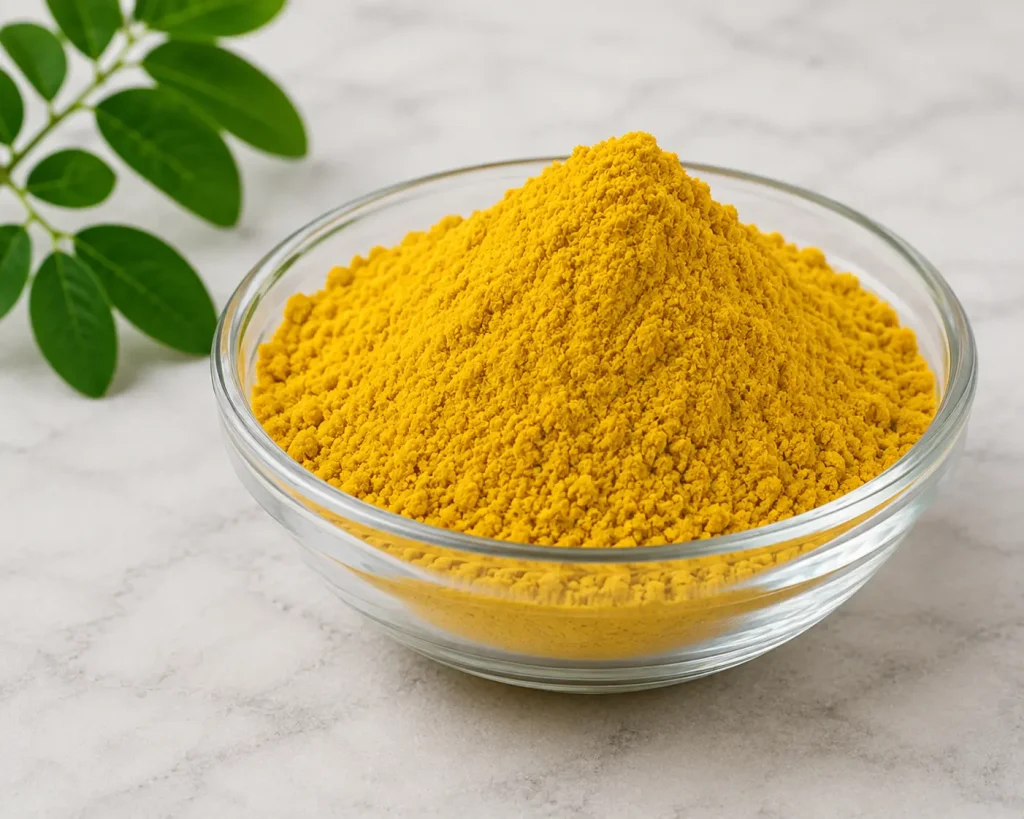
Berberine is a naturally occurring bioactive alkaloid extracted from several medicinal plants, including goldenseal, barberry, and Oregon grape. For thousands of years, traditional healing systems have utilized berberine-rich herbs to address digestive complaints and metabolic concerns. In recent decades, modern clinical research has drawn significant attention to this compound, particularly for its potential role in supporting metabolic health. Today, berberine is one of the most widely discussed botanical ingredients in dietary supplements, valued for its multiple system biological activity. It is commonly included in specialized formulations targeting blood sugar balance, cardiovascular wellness, and healthy weight management. People frequently seek it out to support overall metabolic health, as noted by the National Center for Complementary and Integrative Health. As a versatile phytochemical, it continues to bridge ancient herbal traditions and modern nutritional science [1].
What Is Berberine?
Berberine is a quaternary ammonium alkaloid with the chemical formula C20H18NO4+. It belongs to the benzylisoquinoline class of alkaloids and produces a distinctive, vibrant yellow color in the plants that contain it [4]. Historically, berberine-rich plants were heavily utilized in Ayurvedic and Traditional Chinese Medicine to treat dysentery, eye infections, and inflammatory skin conditions. The compound was first isolated by chemists in the early nineteenth century, though its medicinal application significantly predates written historical records. In modern supplement use, berberine is extracted primarily from the roots, rhizomes, and bark of plants such as Coptis chinensis, Berberis vulgaris, and Hydrastis canadensis. It is most commonly marketed in capsule or tablet form, often standardized to ninety-five percent purity to ensure consistent dosing and optimal bioavailability [1].
How Does Berberine Work?
Berberine exerts its significant physiological effects primarily by activating AMP-activated protein kinase, an enzyme frequently described as the primary metabolic regulator of the human body. When this important enzyme is activated, it promotes glucose uptake into cells, enhances fatty acid oxidation, and suppresses cholesterol synthesis within the liver [3]. Research also indicates that berberine mildly inhibits mitochondrial respiratory complex I, which increases the cellular ratio of AMP to ATP and further stimulates these vital metabolic signaling pathways. Additionally, berberine has been shown to upregulate low-density lipoprotein receptor expression in the liver through a unique mechanism distinct from traditional statin drugs, thereby enhancing the clearance of circulating cholesterol [5]. Oral absorption of berberine is relatively modest due to poor intestinal permeability, though its interaction with intestinal flora significantly contributes to its systemic biological effects [4].
Potential Health Benefits of Berberine
Supports Healthy Blood Sugar Regulation
Berberine has been studied extensively for its potential to support normal fasting and post-meal glucose levels. A notable clinical trial found that berberine supplementation helped lower blood glucose in individuals managing type 2 diabetes [2]. It is commonly used as a complementary ingredient in metabolic wellness formulations. Preliminary evidence suggests it may enhance cellular insulin sensitivity through targeted enzyme activation [3].
Promotes Healthy Cholesterol Levels
Research suggests berberine may help maintain healthy total cholesterol, low-density lipoprotein, and circulating triglyceride levels. A landmark study demonstrated that berberine increases hepatic receptor expression through a pathway separate from standard pharmaceutical interventions [5]. This unique mechanism has made berberine a highly popular ingredient in cardiovascular support supplements. Ongoing clinical research continues to explore this promising lipid-modulating potential in diverse populations [4].
Supports Healthy Weight Management
Berberine is commonly used in weight management supplements due to its significant influence on cellular fat metabolism and overall energy balance. By activating metabolic switches, berberine may help promote fatty acid oxidation and reduce lipid accumulation in adipose tissues [3]. Some clinical studies have observed modest reductions in body weight and waist circumference with consistent daily supplementation. However, research in this specific area remains preliminary and requires further validation [4].
Supports Digestive and Gut Health
Berberine possesses a remarkably long history of traditional use for various gastrointestinal concerns. Laboratory research indicates it possesses natural antimicrobial properties that may help maintain a highly balanced gut environment. Some preliminary evidence suggests berberine may positively influence the composition of intestinal microbiota, which plays a critical role in nutrient absorption and systemic immune function [1]. It remains a staple in herbal digestive support formulations.
Supports Cardiovascular Wellness
Beyond basic lipid management, berberine has been studied for its potential to support healthy blood pressure and optimal vascular function. Preliminary research suggests that metabolic enzyme activation and antioxidant activity may contribute to overall endothelial health [4]. Berberine is frequently included in comprehensive heart-health supplement stacks alongside ingredients like coenzyme Q10 and essential fatty acids. Further large-scale human trials are needed to confirm these cardiovascular observations.
Supports Cellular Antioxidant Defense
Berberine has demonstrated notable antioxidant properties in laboratory settings, where it appears to reduce oxidative stress markers and modulate inflammatory signaling pathways. Research suggests these cellular effects may help protect tissues from damage associated with normal metabolic processes [3]. This robust antioxidant capacity is one primary reason berberine is included in broad-spectrum wellness formulations, though direct human evidence regarding long-term cellular aging remains somewhat limited.
Natural Food Sources
Berberine is not found in common culinary foods or standard grocery items. It occurs exclusively in specific medicinal plants and their distinct anatomical parts. Excellent natural botanical sources include:
- Barberry berries and bark
- Goldenseal rhizomes
- Oregon grape roots
- Chinese goldthread rhizomes
Because dietary intake through regular food consumption is virtually negligible, targeted supplementation remains the primary and most practical method of obtaining meaningful, therapeutic amounts of berberine [1].
Why Is It Included in Dietary Supplements?
Berberine appears prominently in metabolic support, cardiovascular health, weight management, and general wellness supplements. It is frequently paired with synergistic ingredients such as cinnamon extract, alpha-lipoic acid, chromium, and milk thistle to enhance its blood sugar and lipid-supporting properties. The overall purpose of these combinations is to provide comprehensive metabolic assistance. Typical formulations deliver five hundred to fifteen hundred milligrams of berberine hydrochloride per day, divided across two or three doses to improve gastrointestinal tolerability and maximize systemic absorption [1][4]. Some advanced products use liposomal delivery systems aimed at increasing bioavailability.
Safety and Possible Side Effects
Berberine is generally well tolerated at doses commonly studied in clinical trials, typically up to fifteen hundred milligrams per day [2]. The most frequently reported side effects are mild and gastrointestinal in nature, including occasional constipation, diarrhea, flatulence, and mild stomach cramping. Taking berberine consistently with meals may significantly reduce this digestive discomfort. Long-term safety data extending beyond six months remain somewhat limited in the current medical literature. Individuals with preexisting liver or kidney conditions should use particular caution. Those new to berberine are strongly advised to start at a lower dose to properly assess individual tolerance and minimize potential hepatotoxicity risks [4].
Precautions and Possible Interactions
Berberine may interact with several important categories of prescription medications. Because it significantly influences blood sugar pathways, individuals taking diabetes medications should consult a qualified healthcare professional before supplementing to avoid excessive glucose lowering [2]. Berberine may also interact with blood-thinning medications, certain antibiotics, and drugs metabolized by specific cytochrome P450 liver enzymes. Pregnant and breastfeeding women should strictly avoid berberine due to insufficient safety data and the theoretical risk of neonatal jaundice [1]. Individuals scheduled for surgery should discontinue use beforehand. Anyone with an existing medical condition must seek guidance from a qualified healthcare professional before starting supplementation.
Current Scientific Research
Human Studies
Multiple randomized controlled trials have examined berberine in individuals with metabolic syndrome and hyperlipidemia. A well-known trial demonstrated that berberine significantly reduced fasting glucose and glycated hemoglobin over three months [2]. Separate clinical investigations have confirmed modest improvements in circulating cholesterol and triglycerides [4][5].
Animal Studies
Animal and in vitro research has provided detailed mechanistic insight into the effects of berberine on mitochondrial function and lipid metabolism [3]. Rodent models consistently show benefits for insulin resistance and hepatic fat accumulation.
Overall Evidence
The current body of evidence positions berberine as a highly promising botanical compound with demonstrated metabolic activity. However, larger, multi-center clinical trials are needed to establish optimal long-term dosing across diverse populations [4].
Frequently Asked Questions
What is berberine used for?
Berberine is most commonly used to support healthy blood sugar levels, cholesterol balance, and metabolic function. It is also included in digestive health supplements. Research suggests benefits across multiple systemic metabolic pathways [1][2].
Is berberine safe?
Berberine is generally considered safe at studied doses of up to fifteen hundred milligrams daily for periods of three to six months. Mild gastrointestinal side effects may occur. Pregnant women should seek professional guidance [4].
Can berberine be taken every day?
Most clinical trials have administered berberine daily, typically divided into two or three doses taken with meals. Long-term daily use beyond six months requires periodic reassessment with a healthcare provider to ensure continued safety [2].
What foods contain berberine?
Berberine is not present in common dietary foods. It is found only in specific medicinal plants such as barberry, goldenseal, and Oregon grape. Supplementation is the practical way to obtain therapeutic amounts [1].
Can berberine be combined with other supplements?
Berberine is frequently combined with cinnamon, chromium, and alpha-lipoic acid in metabolic formulations. Because it affects blood sugar pathways, individuals taking other supplements should consult a healthcare professional to avoid potential drug interactions [4].
References
[1] Goldenseal National Center for Complementary and Integrative Health (NCCIH) https://www.nccih.nih.gov/health/goldenseal
[2] Yin J, Xing H, Ye J. Efficacy of berberine in patients with type 2 diabetes mellitus. Metabolism (PubMed) https://pubmed.ncbi.nlm.nih.gov/18442638/
[3] Turner N, Li JY, Gosby A, et al. Berberine and its more biologically available derivative, dihydroberberine, inhibit mitochondrial respiratory complex I. Diabetes (PubMed) https://pubmed.ncbi.nlm.nih.gov/18285556/
[4] Pirillo A, Norata GD, Catapano AL. Berberine, a plant alkaloid with lipid- and glucose-lowering properties: from in vitro evidence to clinical studies. Atherosclerosis (PubMed) https://pubmed.ncbi.nlm.nih.gov/23958483/
[5] Kong W, Wei J, Abidi P, et al. Berberine is a novel cholesterol-lowering drug working through a unique mechanism distinct from that of statins. Nature Medicine (PubMed) https://pubmed.ncbi.nlm.nih.gov/15531889/