
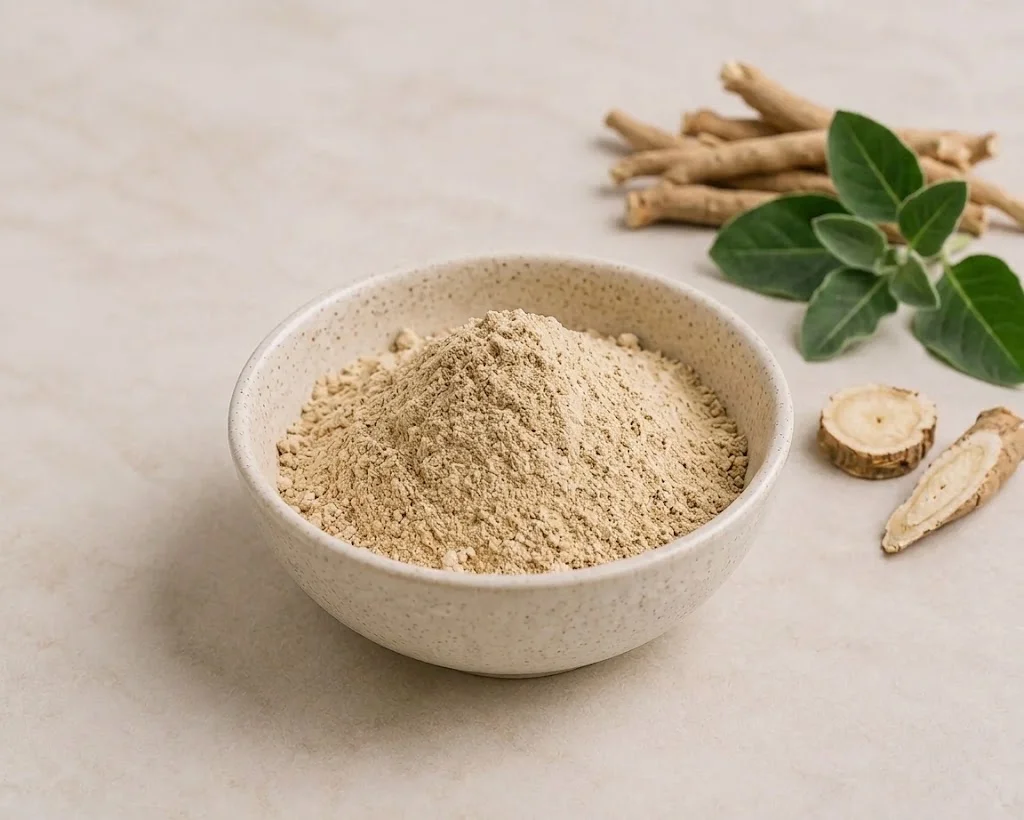
Ashwagandha is a highly regarded botanical preparation derived from a small shrub native to India and North Africa. It is widely popular in the natural wellness community due to its extensive historical use as a restorative adaptogen. Indigenous practitioners have utilized the root of this plant for centuries to support physical stamina and overall well-being. Because it is not commonly found in standard Western diets, it is frequently included in specialized dietary supplements. People often seek out this ingredient to support healthy energy levels, cognitive function, and stress resilience, as detailed by the National Center for Complementary and Integrative Health. Its unique phytochemical profile makes it a fascinating subject of modern nutritional science, a frequent addition to comprehensive daily vitality routines, and a rising star in sports nutrition globally [1].
What Is Ashwagandha?
Ashwagandha, scientifically known as Withania somnifera, belongs to the Solanaceae family and is closely related to tomatoes and bell peppers. The name translates to “smell of the horse” in Sanskrit, indicating its traditional association with equine strength and vitality. The extract is primarily sourced from the nutrient-dense root of the plant, which is rich in active steroidal lactones called withanolides. Historically, Ayurvedic healers classified it as a Rasayana, a special class of herbs that promote longevity. The botanical was first documented in ancient texts thousands of years ago. Today, modern supplement use focuses heavily on its adaptogenic capabilities. Dietary supplements typically provide standardized root extracts in capsule form to ensure optimal gastrointestinal absorption, according to comprehensive ethnopharmacological reviews in PubMed Central [2].
How Does Ashwagandha Work?
Ashwagandha functions inside the body primarily by modulating the hypothalamic-pituitary-adrenal axis, which governs the human stress response. This essential biological mechanism allows the botanical to enhance cellular resilience and promote sustained physical stamina during daily activities. Beyond basic adaptogenic support, its active compounds interact with specific neurotransmitter pathways, potentially mimicking gamma-aminobutyric acid to maintain a calm and focused mood [3]. Furthermore, the rich concentration of unique steroidal lactones helps maintain the structural integrity of neural membranes, significantly amplifying the overall tissue response to metabolic stress. Once ingested, these bioactive compounds are rapidly absorbed in the gastrointestinal tract, though their overall bioavailability can be somewhat limited by the dense fibrous matrix. They are quickly distributed to metabolically active tissues, particularly the brain and endocrine glands, before eventual hepatic metabolism and renal excretion [2].
Potential Health Benefits of Ashwagandha
Supports Healthy Stress Response
Ashwagandha is widely studied for its potential to support a healthy stress response and overall emotional balance. Preliminary evidence indicates that daily supplementation may lower circulating cortisol levels through the modulation of specific central nervous system pathways [3]. It is commonly used by individuals seeking natural tension relief. Current evidence suggests it may help promote psychological comfort and resilience during highly demanding daily activities [1].
Promotes Restful Sleep Quality
Research suggests ashwagandha may help support restful sleep quality by optimizing GABAergic transmission in the brain. It is commonly used in nighttime support formulations to protect neural tissues from daily oxidative stress. By enhancing the ability to transition into deep sleep efficiently, it may promote a refreshed, energized morning. However, these neurological effects require further validation in larger clinical cohorts [2].
Supports Physical Energy and Stamina
Clinical investigations frequently evaluate ashwagandha for its potential to maintain healthy physical energy by supporting optimal cardiorespiratory endurance and reducing mild fatigue. People commonly take it to protect skeletal muscle tissues from metabolic stress and physical exhaustion. By improving overall cellular oxygenation, it may help maintain healthy stamina levels already within the normal range. Current research highlights its potential role in comprehensive fitness protocols [4].
Promotes Healthy Cognitive Function
Preliminary laboratory data indicates ashwagandha possesses the potential to support healthy memory retention by influencing the natural modulation of cholinergic pathways and protecting connective neural tissues. Individuals commonly use it to promote mental clarity and soothe occasional brain fog associated with normal daily wear and tear. It is traditionally included in herbal blends to support overall cognitive efficiency. Current evidence indicates it may help maintain healthy tissue integrity [3].
Supports Healthy Sexual Wellness
Holistic practitioners often include ashwagandha in specialized formulations designed to support the body’s natural reproductive functions and protect systemic tissues. Research suggests its potent phytochemical properties help support healthy libido and physical responsiveness in both men and women. It is commonly used to promote healthy intimate vitality and metabolic stability. Current clinical research highlights its promising role in comprehensive daily reproductive wellness protocols [2].
Supports Cellular Antioxidant Defense
Modern nutritional science widely recognizes ashwagandha for its potential to support cellular health by influencing the natural modulation of antioxidant pathways and protecting connective tissues from oxidative damage. People commonly take it to promote cellular clarity and protect tissues from environmental oxidative stress. It is frequently used in comprehensive wellness formulations to support long-term vitality. Current evidence indicates it may help maintain overall cellular defense mechanisms [1].
Natural Food Sources
Ashwagandha is not naturally found as a common culinary ingredient in standard global food supplies. It grows almost exclusively in dry regions of India, the Middle East, and parts of Africa. Traditional preparations include:
- Boiled root decoctions and herbal teas
- Fine powders mixed into warm milk or ghee
- Traditional Ayurvedic energy pastes known as lehyams
Because culinary intake is virtually nonexistent outside Ayurvedic practices, individuals seeking specific therapeutic benefits typically rely on standardized dietary supplements [1].
Why Is It Included in Dietary Supplements?
Ashwagandha extract is prominently featured in stress relief, sleep support, and comprehensive energy wellness supplements. It is frequently paired with synergistic ingredients such as L-theanine, rhodiola rosea, magnesium, and holy basil to enhance overall physical stamina and neurological function. The overall purpose of these combinations is to provide robust adaptogenic assistance across multiple biological systems. Typical formulations deliver between three hundred and six hundred milligrams daily, often utilizing highly concentrated root extracts standardized to specific withanolide percentages to maximize systemic absorption and ensure consistent biological activity [2].
Safety and Possible Side Effects
Ashwagandha extract is generally considered safe when consumed at standard supplemental dosages ranging from three hundred to six hundred milligrams daily. Most clinical trials report excellent tolerability over periods of up to three months of continuous use. However, common mild side effects may include occasional gastrointestinal discomfort, mild drowsiness, or slight nausea if taken on an empty stomach in highly sensitive individuals. Appropriate dosage considerations are crucial, as excessively high intake can lead to adverse digestive upset. Always start with the lowest effective dose to properly assess individual tolerance, per general botanical safety recommendations [1].
Precautions and Possible Interactions
Ashwagandha extract may interact with several important categories of prescription medications. Because it potentially influences thyroid activity, individuals taking thyroid hormone medications should consult a qualified healthcare professional before supplementing to avoid excessive hormonal shifts. It may also interact with immunosuppressants, sedatives, and certain blood pressure medications. Pregnant women should strictly avoid high-dose supplementation due to theoretical risks of uterine stimulation and a complete lack of reproductive safety data. Individuals scheduled for surgery should discontinue use at least two weeks beforehand. Anyone with an existing medical condition must seek guidance from a qualified healthcare professional [3].
Current Scientific Research
Human Studies
Multiple randomized controlled trials have evaluated ashwagandha for chronic stress and mild anxiety. A comprehensive systematic review found that oral administration modestly improved self-reported stress scores and significantly lowered serum cortisol levels, though its impact on long-term clinical anxiety disorders requires further investigation across diverse populations [3].
Animal Studies
Laboratory and animal research highlights the botanical’s strong ability to enhance neurogenesis and protect neural tissues from oxidative damage [2]. Rodent models consistently demonstrate improved memory retention and physical endurance following prolonged administration.
Overall Evidence
The current evidence supports ashwagandha as a highly promising botanical for stress resilience and cognitive wellness. However, study methodologies vary widely, and optimal dosing remains undefined. Larger, standardized clinical trials are necessary to fully establish its long-term efficacy profile and determine precise clinical guidelines for various health applications [4].
Frequently Asked Questions
What is ashwagandha used for?
Ashwagandha is primarily used to support a healthy stress response, improve sleep quality, and optimize physical stamina. It is widely utilized in adaptogenic formulations to promote overall neurological health and mitigate daily tension [1].
Is it safe?
Ashwagandha is generally safe when taken at recommended daily dosages of up to six hundred milligrams. Mild gastrointestinal upset may occasionally occur. People with underlying thyroid issues should consult a healthcare provider before use [2].
Can it be taken every day?
Yes, it can be taken daily as part of a balanced supplement regimen. Most clinical studies utilize daily doses divided into smaller servings. It is often recommended to take it in the evening to support sleep [3].
What foods contain it?
It is not naturally present in standard global food supplies and is primarily consumed as an herbal decoction in Ayurvedic practices. Standardized commercial supplements provide a much more concentrated and reliable source of active withanolides [4].
Can it be combined with other supplements?
It is safely combined with synergistic adaptogenic ingredients like rhodiola and L-theanine to boost physical stamina. However, it should be monitored carefully when combined with thyroid medications or central nervous system depressants [1].
References
[1] Ashwagandha National Center for Complementary and Integrative Health (NCCIH) https://www.nccih.nih.gov/health/ashwagandha
[2] An overview on ashwagandha: a Rasayana (rejuvenator) of Ayurveda African Journal of Traditional, Complementary and Alternative Medicines (PubMed Central) https://www.ncbi.nlm.nih.gov/pmc/articles/PMC3693732/
[3] A prospective, randomized double-blind, placebo-controlled study of the safety and efficacy of a high-concentration full-spectrum extract of ashwagandha root in reducing stress and anxiety in adults Indian Journal of Psychological Medicine (PubMed) https://pubmed.ncbi.nlm.nih.gov/24150355/
[4] Botanical Dietary Supplements: Background Information NIH Office of Dietary Supplements https://ods.od.nih.gov/factsheets/BotanicalBackground-HealthProfessional/