

GlucoBalance has flooded the internet with claims of regulating blood sugar, improving insulin sensitivity, and supporting healthy metabolism, all supposedly without lifestyle changes, prescriptions, or medical supervision. From aggressive Facebook ads to glowing verified buyer testimonials, it’s marketed as a revolutionary diabetes support supplement. However, our investigation uncovered widespread misleading marketing, unverifiable ingredients, and growing numbers of dissatisfied customers. What is sold as a metabolic breakthrough is, in reality, another GlucoBalance scam targeting vulnerable consumers searching for fast blood sugar solutions without scientific proof.
What Is GlucoBalance?
GlucoBalance is promoted as a blood sugar support supplement designed to help regulate glucose levels, improve insulin sensitivity, and support overall metabolic health. Its marketing depends heavily on social media ads, pop-ups, and sponsored articles featuring dramatic success claims, many of which appear fabricated or misleading. The product operates under a generic brand name and anonymous marketing structure, making it difficult to identify the real manufacturer or verify where the supplement is produced. As a result, confirming the authenticity of its ingredients or the safety standards behind its formulation is nearly impossible.
Claims vs. Reality: Does GlucoBalance Really Work?
The marketing statements behind GlucoBalance pills collapse under objective scrutiny. Below is a documented comparison of advertised claims versus investigative findings:
| Claim Made by GlucoBalance | Reality Based on Our Investigation |
|---|---|
| Regulates blood sugar naturally | No clinical trials or proof exist to support any glucose-control effect. |
| Improves insulin sensitivity | Dosages of active compounds are undisclosed and unverifiable. |
| Prevents glucose spikes | Users report no measurable blood sugar changes after weeks of use. |
| Provides a safe, natural diabetes support solution | Ingredient purity and safety testing are not documented or confirmed. |
| Made from 100% natural ingredients | Ingredient lists vary between websites; authenticity cannot be verified. |
| Safe with zero side effects | Customers report nausea, headaches, dizziness, fatigue, and digestive upset. |
8 Proofs Why GlucoBalance Is a Scam
Our investigation identified eight clear red flags that prove the online GlucoBalance blood sugar support supplement offers are part of a deceptive scam. These refer specifically to products sold on unofficial websites, not legitimate diabetes support supplements.
1. Impossible Claims and Fake Endorsements: Scam websites claim GlucoBalance is a “miracle cure” for blood sugar control and insulin sensitivity. They use deepfake videos and fake doctor endorsements to falsely build trust. These experts and testimonials have no basis in reality or verified endorsements.
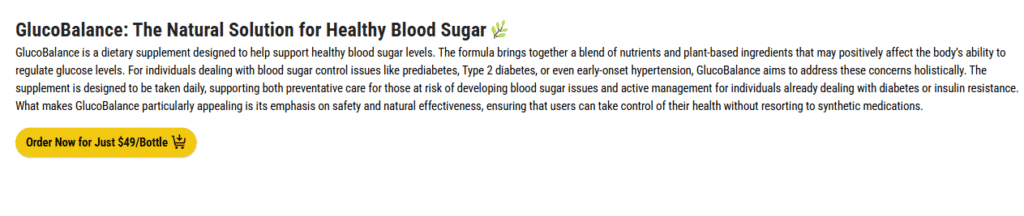
2. Anonymous and Untraceable Manufacturers: The entities behind GlucoBalance operate anonymously with no corporate info, physical address, or traceable contact details. This makes accountability and refund requests impossible.
3. Widespread Customer Complaints of Ineffectiveness: Neutral platforms like Quora, Reddit, and Trustpilot reveal users reporting no improvements in blood sugar or diabetes symptoms, suggesting the supplement is ineffective.
4. Use of Unverified and Potentially Dangerous Ingredients: Ingredient lists change across websites, with no proof of dosage, purity, or safety testing. Buyers risk ingesting unknown or unsafe substances.
5. Aggressive and Deceptive Marketing Tactics: Fake seller sites use countdown timers, limited stock alerts, and exaggerated claims to pressure quick purchases without proper research.
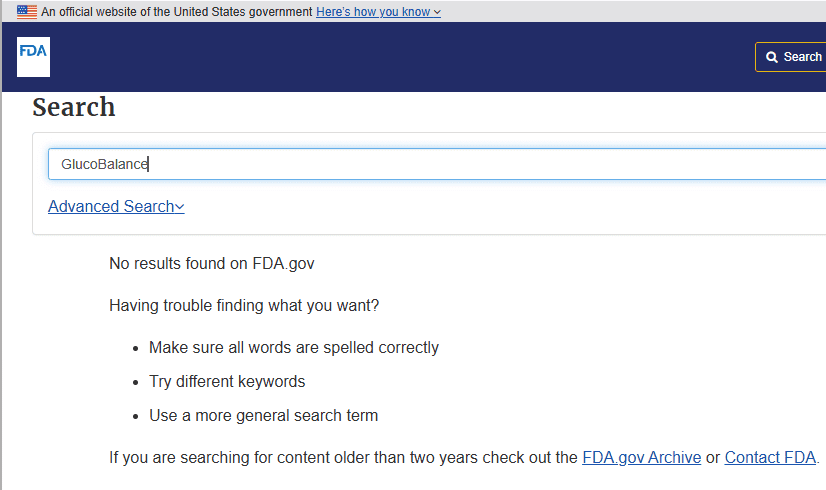
6. No Third-Party Testing or FDA Approval: GlucoBalance is not FDA approved or subject to third-party lab testing, contrasting with reputable supplements that provide transparency and quality assurance.
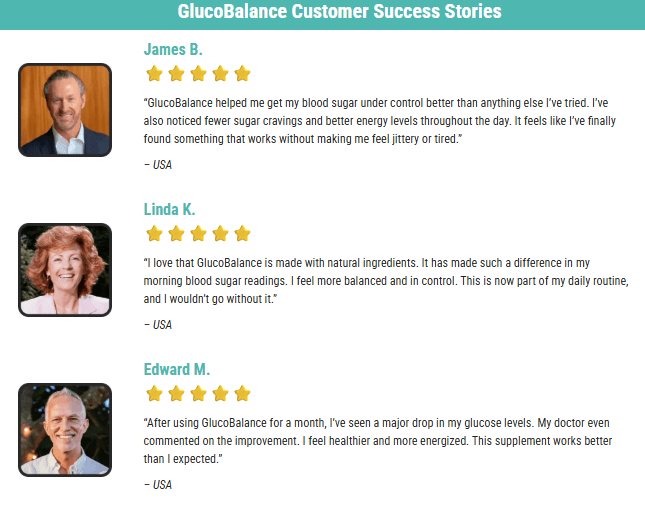
7. Fake Reviews and Manipulated Ratings: GlucoBalance websites feature overly positive reviews using stock photos or AI-generated content; independent reviews are largely negative, exposing manipulated social proof.
8. The Hidden Subscription Trap: Many buyers report being unknowingly enrolled in costly recurring subscriptions, with difficult cancellation policies and poor customer service to prevent refunds.
Is GlucoBalance Scam or Legit?
GlucoBalance is a scam. It is a carefully crafted scam targeting people looking for quick blood sugar support. Despite claims of regulating glucose, improving insulin sensitivity, and supporting metabolic health, the product is sold by anonymous entities with no verifiable manufacturer. Fake endorsements, unverifiable ingredients, and misleading marketing make it a high-risk purchase. Customers have reported no improvement in blood sugar along with side effects like fatigue, nausea, and headaches. Avoid buying GlucoBalance from any unofficial sources.
What GlucoBalance Lacks vs. What a Legit Supplement Should Have
The difference between GlucoBalance blood sugar supplementand a legitimate blood sugar supplement is striking. Here's a clear comparison.
| GlucoBalance | A Legit Health Supplement |
|---|---|
| No company name, address, or contact info | Clear company information, history, and customer service contacts available |
| Uses stock photos for fake endorsements | Relies on scientific evidence and real expert opinions |
| No proof of ingredient purity or dosage accuracy | Often certified by independent labs for quality and safety |
| Promises instant blood sugar regulation and metabolic benefits | Makes responsible claims based on evidence-supported ingredients |
| Features mostly fake 5-star reviews on its own site | Has a range of real reviews (positive and negative) on neutral platforms |
| Promoted through pop-ups and aggressive online ads | Available at verified online stores or official brand websites |
GlucoBalance Complaints and Reviews
To ensure authentic customer testimonials and experiences, we collected reviews from neutral platforms such as Trustpilot, Reddit, Quora, and consumer complaint boards, avoiding biased testimonials from marketing sites. The feedback is overwhelmingly negative, with users reporting no improvement in blood sugar, unwanted side effects, and billing or delivery issues. Here are the few representative reviews we found:
Samantha Hayes, United States, Texas (Age 37, Female)
Source: Reddit
bought glucobalance thinkin it gonna help my blood sugar n energy levels but omg after 3 weeks still nothin changed felt dizzy n tired all day sometimes my tummy hurt too tried emailing support they ghosted me totally scam dont waste ur cash on this junk
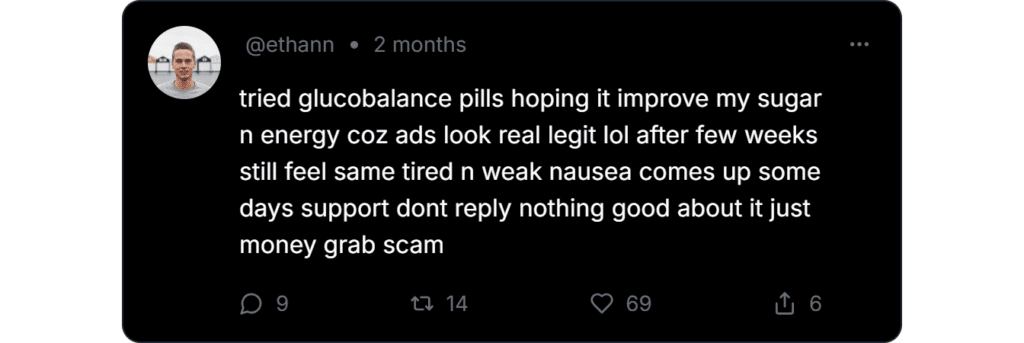
Ethan Carter, Australia, Melbourne (Age 45, Male)
Source: Twitter/X
Olivia Patel, United Kingdom, London (Age 33, Female)
Source: Quora
my bf bought gluco balance n hype was everywhere online thought it works fast but 3 weeks in nothing changed still feel tired dizzy sometimes nausea too customer care never replies seems total fake product honestly pissed wasted my money
Ryan Mitchell, Canada, Vancouver (Age 40, Male)
Source: Facebook
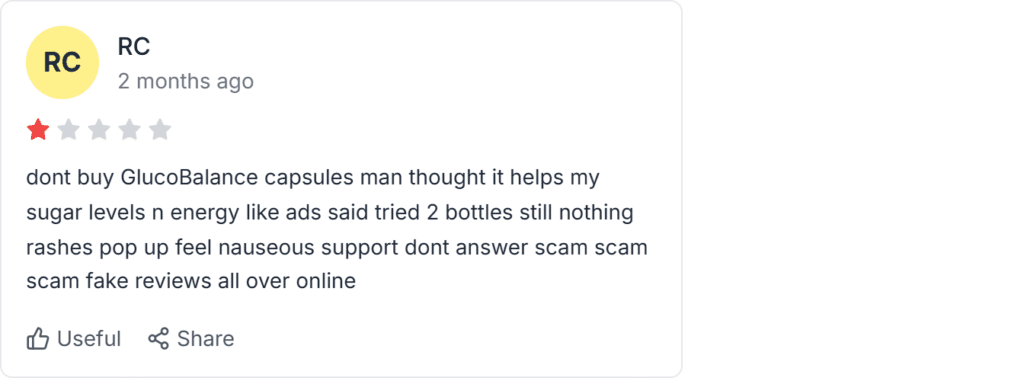
Liam Thompson, United States, Florida (Age 41, Male)
Source: Facebook
dont even bother with glucobalance pills man hype online big lie took 3 weeks still nothing feel weak n tired headaches pop up support doesnt reply scam straight up scam fake reviews all over
GlucoBalance Ingredients – Inside the Product
The most concerning aspect of GlucoBalance is its unverified and potentially unsafe formula. While advertised as a natural blood sugar support supplement, there is no transparency, consistent labeling, or third-party testing. Consumers are essentially taking a mystery product with unknown doses, purity, or effectiveness.
- Cinnamon Bark: Often claimed to help regulate blood sugar, but effective doses are not disclosed, and high amounts can cause digestive upset.
- Bitter Melon: Promoted for glucose control, but actual content in the capsules is unverified. May cause stomach cramps in some users.
- Gymnema Sylvestre: Traditionally used to support insulin function, but potency and dosing in GlucoBalance are unknown.
- Banaba Leaf Extract: Sometimes used to help manage blood sugar, but the amount present in the supplement is unconfirmed.
- Chromium Picolinate: Claimed to improve insulin sensitivity, yet the capsules do not provide verified dosing. High doses can cause nausea or headaches.
- Berberine: Known to have blood sugar benefits in studies, but the presence and purity in GlucoBalance are unverified.
GlucoBalance Ratings
The ratings for GlucoBalance supplements are manipulated and unreliable. High scores on its promotional pages are fabricated, while independent review platforms reveal a supplement associated with scam-like practices.
| Website | Rating | Reliability |
|---|---|---|
| Trustpilot | 1.6 / 5 | Unreliable. Low verified reviews; many complaints of no effect or hidden billing. |
| Amazon/Walmart | N/A | Reliable. Not sold on major platforms, so authentic reviews are missing. |
| BBB | F | Reliable. Anonymous companies with complaints and deceptive practices receive failing grades. |
| Official Website | 4.9 / 5 | Fake. Curated, overly positive testimonials; negative feedback blocked. |
GlucoBalance Scam Risk Score
To quantify the danger, GlucoBalance blood sugar capsules was evaluated across five critical metrics. Scores show it is extremely high-risk, confirming the product is likely fraudulent and unsafe.
| Metric | Risk Score (out of 10) | How We Rated It |
|---|---|---|
| Unverified Claims | 10/10 | Uses fake endorsements and baseless claims of controlling blood sugar and improving insulin sensitivity. |
| Ingredient Transparency | 10/10 | Formula is unverified; no proof of ingredient presence, dosage, or purity. |
| Customer Complaints | 9/10 | Forums and review sites report ineffectiveness, side effects, and deceptive billing practices. |
| Manufacturer Transparency | 10/10 | Anonymous company hides identity and avoids accountability. |
| Marketing Honesty | 10/10 | Relies on fake reviews, false scarcity tactics, and aggressive online ads. |
| Overall Scam Risk Score | 9.8 / 10 | Extremely High Risk |
Fake GlucoBalance Websites
Multiple fraudulent websites are used to promote GlucoBalance. These often mimic legitimate health portals and use high-pressure sales tactics to deceive consumers.
| Website URL Types | Warning Signs / Notes |
|---|---|
| Fake “News” Articles | Look like news reports but are paid ads with affiliate links. |
| Affiliate “Review” Blogs | Glowing, biased reviews written to earn commissions, not provide accurate info. |
| “Official” Sales Pages | Aggressive marketing, countdown timers, no company or contact info. |
| Social Media Ad Links | Fake claims, exaggerated benefits, or celebrity endorsements redirecting to scam pages. |
How We Investigated GlucoBalance
Our investigation into GlucoBalance capsules was a systematic process designed to uncover the truth behind its deceptive marketing. We used a multi-step approach to ensure our findings were based on verifiable evidence.
Analyzing Website Infrastructure: We performed domain checks and WHOIS lookups, discovering anonymous websites with privacy protection and servers linked to fraudulent operations.
Scrutinizing Marketing Funnels: We followed the sales path from social media ads to checkout pages, noting fake endorsements, countdown timers, and false scarcity claims intended to pressure buyers.
Verifying Claims vs. Regulations: GlucoBalance claims to regulate blood sugar and improve insulin sensitivity. We compared these promises against scientific research and FDA guidelines and found them unsubstantiated.
Aggregating Consumer Complaints: Ignoring the glowing testimonials on official sites, we reviewed independent platforms like Reddit, Quora, and Trustpilot, uncovering overwhelmingly negative feedback.
Checking Retailer Presence: GlucoBalance is absent from major retailers such as Amazon and Walmart, signaling that sellers are avoiding public scrutiny and accountability.
How to Identify Scam Supplements Like GlucoBalance
To avoid falling for deceptive products like GlucoBalance blood sugar supplements, watch for these common warning signs:
Promises of Instant Results: Legitimate blood sugar support supplements work gradually and are evidence-based. Avoid products claiming immediate effects.
Anonymous or Untraceable Company: If no verifiable manufacturer, physical address, or contact information exists, it’s likely a scam.
No Third-Party Testing: Trusted brands provide lab certifications for purity and potency. Scammers hide this because their products would fail testing.
Fake Endorsements and Pressure Tactics: Be wary of fake doctor or celebrity endorsements, countdown timers, and “limited stock” warnings meant to rush your purchase.
Exclusive Sales Through Special Websites: Fraudulent supplements are usually sold only on controlled websites, avoiding reviews on reputable retail platforms.
GlucoBalance Side Effects
GlucoBalance’s formula is unverified, so its side effects can be unpredictable and potentially harmful:
- Headaches, dizziness, or fatigue from unknown ingredient doses.
- Rashes, itching, or allergic reactions from undeclared allergens.
- Low energy or extreme tiredness throughout the day.
- Possible dangerous interactions with prescription medications for diabetes, heart, or blood pressure.
- Irritability, anxiety, or mood changes due to unknown compounds.
GlucoBalance Refund Process
Do not rely on the seller’s customer service, as it’s often fake. To report fraud and recover your money:
- Report the purchase as fraudulent through your credit or debit card provider.
- Keep all details: website URL, receipts, and screenshots of misleading claims.
- Request a chargeback citing a fraudulent product.
- Report the scam to the FTC or your local consumer protection agency.
- Ask your bank to block the merchant to prevent future charges.
Final Verdict: Is GlucoBalance Worth It?
No, GlucoBalance is not worth it. It is a risky scam that can endanger both your money and your health. Purchases are likely to result in receiving a product that is ineffective or potentially harmful, sold by anonymous and untraceable sources. Always choose supplements from reputable brands and verified retailers to stay safe.
Frequently Asked Questions (FAQ)
How do I know if GlucoBalance is real?
Legitimate blood sugar support supplements are sold by verified brands through reputable retailers. If you’re purchasing from social media ads or websites using high-pressure tactics, it is likely fake.
What are the side effects of GlucoBalance?
Side effects from unverified formulas may include headaches, dizziness, fatigue, nausea, digestive issues, and mood changes. Effects from counterfeit products are unpredictable and potentially dangerous.
Is GlucoBalance safe to use?
No. Its ingredients are unverified, untested, and potentially unsafe. Always consult a doctor before using any supplement.
Has anyone used GlucoBalance? What were the results?
Users report no improvement in blood sugar or insulin sensitivity. Many also experienced side effects and felt scammed.
Is GlucoBalance approved by the FDA?
No. Dietary supplements like this are not FDA-approved, and scammers often make false claims about effectiveness.
Where can I buy the real GlucoBalance?
There is no verified, legitimate source for GlucoBalance. Avoid all unofficial websites, social media links, and unknown online sellers.
Are there fake GlucoBalance websites?
Yes. Many fake sites mimic official branding, use countdown timers, show fake discounts, and hide contact information.
Does GlucoBalance really work for blood sugar support?
No. There is no evidence that the product works. Genuine supplements have verified formulas; GlucoBalance does not.
Who makes GlucoBalance?
The product is made by anonymous, untraceable sellers. There is no credible manufacturer.
How can I avoid GlucoBalance scams online?
Avoid social media ads with exaggerated claims, huge discounts, or high-pressure tactics. Stick to verified brands and reputable retailers.
Are there real customer reviews for GlucoBalance?
No. Authentic reviews cannot be found on neutral platforms. Reviews on the seller’s website are fabricated to mislead buyers.
Sources
- Sateia, M.J., Buysse, D.J., Krystal, A.D. et al. Longitudinal blood glucose level and increased silent myocardial infarction risk: a pooled analysis of four cohort studies. Cardiovasc Diabetol. 23, 112 (2024).
https://doi.org/10.1186/s12933-024-02212-3 - Reiss, A., Mauras, N., White, N. et al. Improved blood sugar control helps normalize diabetic teens' brains. Nat Commun. 13, 4940 (2022).
https://doi.org/10.1038/s41467-022-32289-x - Bhupathiraju, S.N., Hu, F.B., Manson, J.E. et al. Chocolate intake and risk of type 2 diabetes: prospective cohort study. BMJ. 378, e078386 (2024).
https://doi.org/10.1136/bmj-2023-078386 - Kramer, N.E., Loeser, R.F., Guilak, F. et al. Response eQTLs, chromatin accessibility, and 3D chromatin structure in chondrocytes provide mechanistic insight into osteoarthritis risk. Cell Genomics. 3, 100738 (2025).
https://doi.org/10.1016/j.xgen.2024.100738

Dr. Michael Harper is a board-certified cardiologist with a focus on cardiovascular health and supplement-related risks to the heart and circulatory system. He earned his Doctor of Pharmacy (Pharm.D.) from the University of Toronto and later completed cardiology training at Toronto General Hospital. Dr. Harper has worked as a Clinical Research Pharmacist and cardiology consultant, studying supplement-induced blood pressure changes, heart risks, and interactions with prescribed medications. He is dedicated to raising awareness about unsafe supplements that claim to “boost heart health.”