
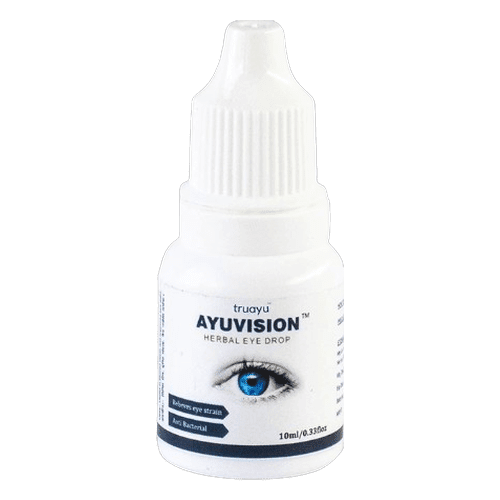
Ayuvision Herbal Eye Drop is promoted as a natural eye-care solution claiming to improve eye health, relieve dryness, strain, and fatigue, and support clearer vision without medical consultation or lifestyle changes. Marketed through misleading online ads, fake health blogs, AI-generated doctor videos, and fabricated testimonials, our investigation uncovered exaggerated claims, unverified ingredients, no clinical testing, and increasing consumer complaints. These findings indicate an ongoing Ayuvision Herbal Eye Drop scam targeting people seeking quick and effortless relief from eye discomfort.

What Is Ayuvision Herbal Eye Drop?
Ayuvision Herbal Eye Drop is marketed as a natural eye-care supplement designed to relieve eye dryness, reduce strain and fatigue, and support overall eye health without requiring professional eye care or medical supervision. Its promotion relies heavily on aggressive online advertising, fake health blogs, AI-generated doctor videos, and staged testimonials claiming fast and permanent results. The product is sold through anonymous websites with no verified manufacturer, company registration, or transparent production details. The formulation, ingredient sourcing, dosage, purity, and safety standards remain unverified, leaving consumers with no credible proof of effectiveness or safety.
Claims vs. Reality: Does Ayuvision Herbal Eye Drop Really Work?
Investigations and uncensored customer experiences reveal that Ayuvision Herbal Eye Drop does not deliver the advertised benefits and lacks credible scientific backing.
| Claims Made by Ayuvision Herbal Eye Drop | Reality Based on Investigation |
|---|---|
| Relieves eye dryness instantly | Eye dryness relief is not instant; most users reported no noticeable improvement. |
| Reduces eye strain and fatigue within minutes | Eye strain persisted for most users even after repeated use. |
| Improves overall eye health naturally | No clinical evidence supports long-term eye health improvement. |
| Enhances vision clarity without glasses | Vision clarity cannot be improved with unverified eye drops. |
| Provides quick results without medical treatment | Users saw little to no benefit even after weeks of use. |
| 100% herbal and chemical-free formula | Ingredients are unverified; purity and composition are unknown. |
| Clinically tested and scientifically proven | No published trials, lab reports, or scientific studies exist. |
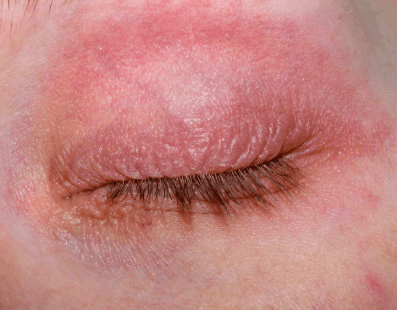
| Safe for daily use for all age groups | Users reported irritation, burning, redness, and blurred vision. |
8 Proofs Why Ayuvision Herbal Eye Drop Is a Scam
Our investigation uncovered eight clear proofs showing that Ayuvision Herbal Eye Drop eye health supplement is a calculated scam. These findings are based on patterns in its sales, marketing, and consumer reports.
1. Deceptive Subscription and Billing Practices: Ayuvision Herbal Eye Drop is sold through confusing checkout flows with “special” bundles and hidden recurring billing terms. Cancellation instructions are vague or buried, resulting in repeated charges without real customer consent.
2. High-Pressure and Misleading Marketing: Ayuvision Herbal Eye Drop uses countdown timers, limited stock alerts, and fake expert endorsements to create urgency. Claims of media coverage or professional recommendations are unverified, pushing buyers to purchase impulsively.
3. Overwhelming Negative Customer Reviews: On neutral forums and independent review threads, many users report little to no improvement in eye dryness, strain, or fatigue after using Ayuvision Herbal Eye Drop. These honest accounts often include frustration, disappointment, and side effects. This stands in clear contrast to the overly positive Ayuvision Herbal Eye Drop reviews featured on seller-controlled websites, indicating that much of the product’s public reputation is artificially created rather than based on real results.
4. Worthless Money-Back Guarantee: Ayuvision Herbal Eye Drop is often advertised with bold “risk-free” or “money-back” promises to reassure skeptical buyers. In reality, these guarantees are rarely honored. Customers frequently encounter strict conditions, long delays, and unclear or hidden contact methods when requesting refunds, making it extremely difficult to actually get their money back. The generous wording is primarily a marketing tactic rather than genuine protection for buyers.
5. Unverified and Potentially Dangerous Ingredients: Ayuvision Herbal Eye Drop lists herbal ingredients like those in its eye drop formula, but their dosage, purity, and presence are unconfirmed. Without independent verification, the product may be unsafe for sensitive users, especially those with eye conditions.
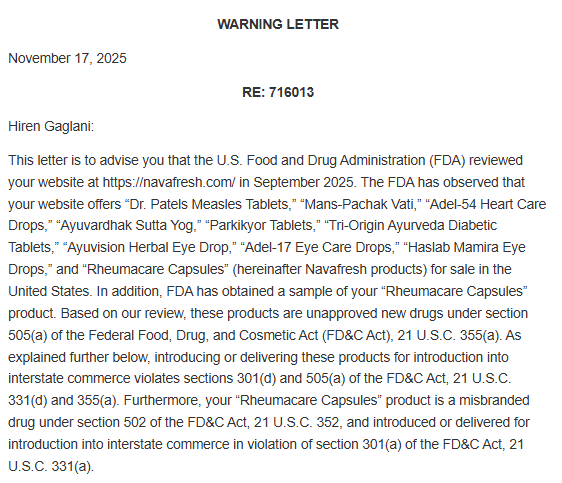
6. No Independent Testing or Certification: Ayuvision Herbal Eye Drop has no independent lab reports, third-party certifications, or quality testing to verify its safety or effectiveness. The product is not FDA-approved, and similar herbal eye drops have been flagged or debunked by medical authorities for making exaggerated claims. Using an untested, unregulated product puts consumers at risk of both ineffective results and potential health issues.
7. Fake Endorsements and Manipulated Ratings: Ayuvision Herbal Eye Drop’s marketing relies heavily on vague references to doctors, fake expert quotes, and exaggerated five-star ratings to appear trustworthy. Negative or critical reviews are often filtered out or removed entirely, leaving potential buyers with a distorted view of the product’s effectiveness and safety. This creates a false sense of credibility and misleads consumers into believing the supplement works as claimed.
8. Anonymous Manufacturer and Hidden Identity: No verifiable company, address, or leadership information exists for Ayuvision Herbal Eye Drop. Buyers cannot trace the brand or confirm production standards, making Ayuvision Herbal Eye Drop a high-risk and unaccountable operation.
Is Ayuvision Herbal Eye Drop Scam or Legit?
Ayuvision Herbal Eye Drop is a scam. It targets people seeking quick relief from eye dryness, strain, and fatigue without medical care or lifestyle changes. The product is sold through anonymous websites with no verified manufacturer, FDA approval, or clinical testing. Its marketing relies on fake doctor endorsements, AI-generated videos, exaggerated before-and-after images, and fabricated testimonials. Users report little to no relief, with some experiencing eye irritation, burning, redness, blurred vision, and headaches. Constantly changing sales pages, pressure tactics, and unresponsive customer support expose buyers to financial loss and potential eye health risks from an unregulated product.
What Ayuvision Herbal Eye Drop Lacks vs. What a Legit Supplement Should Have
The difference between Ayuvision Herbal Eye Drop and a legitimate, science-backed eye-care product is clear. The table below highlights the key gaps uncovered during our investigation:
| Ayuvision Herbal Eye Drop | A Legit Eye-Care Supplement |
|---|---|
| No verified manufacturer, registration, or traceable production | Publicly registered company with transparent ownership and contact details |
| Uses fake doctor endorsements, AI videos, and fabricated testimonials | Supported by licensed eye-care professionals with verifiable credentials |
| No lab reports, third-party testing, or verified ingredient dosages | Independent testing for safety, purity, and efficacy |
| Makes unrealistic claims like instant relief and vision improvement | Evidence-based, conservative claims aligned with clinical research |
| Relies on manipulated reviews hosted on sales pages | Authentic reviews across neutral platforms (e.g., Trustpilot, BBB) |
| Sold via anonymous, changing websites with pressure tactics | Sold through official channels or reputable retailers |
Ayuvision Herbal Eye Drop Complaints and Reviews
We reviewed neutral platforms like Reddit, Trustpilot, and Quora for unbiased feedback. Most users reported no relief from eye dryness or strain and experienced irritation, burning, redness, watery eyes, and blurred vision. Complaints also mention unresponsive customer support and refund difficulties, strongly indicating that Ayuvision Herbal Eye Drop is a scam fueled by fake endorsements and unverified claims.
Daniel Robertson, Canada, Toronto, (Age 34, Male)
Source: Trustpilot
these ayuvision drops r total scam used for 3 weeks eyes still dry n itchy no relief at all sticky feel in eyes support never reply website reviews fake copy paste junk should’ve bought normal vitamins feel ripped off big time.
Michael Evans, United Kingdom, Manchester, (Age 31, Male)
Source: Reddit
used Ayuvision drops every day like they say nothing changed eye strain same dryness and got weird stingy rash feel unsafe putting this in eyes regrets all the way reviews look fake af.
Laura Bennett, United States, Austin, (Age 28, Female)
Source: Quora
trusted herbal label big mistake drops no help at all gave me headache blurry vision sometimes reviews on official site copy paste fake no refund never respond.
Noah Thompson, United States, Boston, (Age 33, Male)
Source: Quora
these ayuversion herbal eye drops complete waste eyes dry itchy blurry and got stye as well. customer support never respond online and online reviews all are fake i do not recommend this product at all
Marcus Allen, Australia, Sydney, (Age 40, Male)
Source: Reddit
this ayuvision drops is complete crap been taking every day for month no vision improvement at all still see blurry sometimes eye tired like before support totally useless dont reply better visit eye hospital to get treatment
Ayuvision Herbal Eye Drop Ingredients: Inside the Product
The biggest concern with Ayuvision Herbal Eye Drop is its unverified formula. While marketing claims it contains natural herbs to soothe eyes and improve eye health, the lack of transparency and independent testing means users cannot be sure what they are actually putting in their eyes, posing potential safety risks.
- Triphala Extract: Marketed to support eye health and reduce irritation, but its concentration, purity, and sterility are unverified.
- Rose Water (Gulab Jal): Claimed to soothe and refresh tired eyes, yet there is no proof of pharmaceutical-grade quality or safe formulation.
- Neem Extract: Promoted for antimicrobial benefits, but dosage and safety for direct eye application are unconfirmed.
- Aloe Vera Extract: Advertised to reduce dryness and inflammation, though its presence, purity, and effectiveness in this product are unknown.
- Honey Extract: Marketed for lubrication and healing, but sterility and suitability for eye use are not verified.

Ayuvision Herbal Eye Drop Ratings
The ratings displayed for Ayuvision Herbal Eye Drop are misleading and cannot be trusted. While promotional websites show near-perfect scores, independent consumer platforms reveal dissatisfaction, lack of results, and multiple red flags commonly associated with scam products.
| Website | Ratings | Reliability |
|---|---|---|
| Trustpilot | 1.2 / 5 | Reliable. Users report no relief from eye dryness or strain, frequent irritation, and ignored refund requests. |
| Amazon | N/A | Unreliable. Listings are inconsistent or disappear; remaining reviews appear manipulated. |
| Walmart | N/A | Unreliable. No verified listings; pages often redirect to external or anonymous sellers. |
| BBB | Unrated | Reliable. No accredited business profile; complaints focus on misleading claims and refund issues. |
| Official Website | 4.9 / 5 | Fake. Testimonials are curated, overly positive, and negative feedback is filtered or removed. |
Ayuvision Herbal Eye Drop Scam Risk Score
To assess consumer risk, Ayuvision Herbal Eye Drop was evaluated across five critical scam indicators. The findings show a very high risk to both finances and eye health.
| Metric | Risk Score (out of 10) | How We Rated It |
|---|---|---|
| Unverified Claims | 10 / 10 | Promises instant relief, improved vision, and permanent eye health without evidence or medical oversight. |
| Ingredient Transparency | 9 / 10 | Ingredients lack verified sourcing, sterility proof, dosage clarity, and presence confirmation. |
| Customer Complaints | 9 / 10 | Numerous reports of no results, burning, redness, blurred vision, and refund difficulties. |
| Manufacturer Transparency | 10 / 10 | No registered manufacturer, address, or traceable production details. |
| Marketing Honesty | 9 / 10 | Uses fake doctors, staged visuals, exaggerated claims, and pressure tactics. |
| Overall Scam Risk Score | 9.5 / 10 | Extremely High Risk |
Fake Ayuvision Herbal Eye Drop Websites
Multiple fraudulent websites promote Ayuvision Herbal Eye Drop using tactics designed to appear legitimate while directing buyers to high-risk checkout pages.
| Website URL Types | Warning Signs / Notes |
|---|---|
| Fake “Eye Health News” Pages | Disguised as educational articles but function as paid ads linking to scam checkouts. |
| Affiliate “Review” Blogs | Copy-paste praise written to earn commissions, not provide honest reviews. |
| “Official” Ayuvision Pages | Countdown timers, fake stock alerts, and no manufacturer disclosure. |
| Social Media Ad Links | Exaggerated eye health claims redirect to cloned sites with anonymous ownership. |
How We Investigated Ayuvision Herbal Eye Drop
Our investigation followed a structured, evidence-based approach to uncover the truth behind Ayuvision Herbal Eye Drop’s claims of relieving eye dryness, strain, and fatigue.
Analyzing Customer Complaints: We reviewed feedback from Reddit, Trustpilot, Quora, and consumer forums. Repeated issues included no relief, burning, redness, watery eyes, blurred vision, and headaches, along with refund problems.
Examining Marketing Practices: We assessed fake urgency tactics, AI-generated doctor videos, exaggerated before-and-after images, and misleading “limited stock” claims.
Investigating the Seller and Manufacturer: Domain checks and business searches showed anonymous ownership and hidden registrations typical of scam operations.
Comparing Claims Against Evidence: Claims of instant relief and vision improvement were compared against scientific standards and user experiences; no credible evidence supports them.
Identifying Networked Scam Activity: We found multiple connected sales funnels using the same product name across rotating websites.
How to Identify Scam Supplements Like Ayuvision Herbal Eye Drop
To avoid deceptive eye-care products, watch for these warning signs:
Promises of Instant or Permanent Results: Legitimate eye treatments do not offer immediate or permanent fixes.
Anonymous Sellers: No company name, address, or real support is a major red flag.
No Independent Testing: Reputable products provide third-party safety and sterility testing.
Fake Reviews and Urgency Tactics: Countdown timers and overly positive testimonials pressure impulsive purchases.
Refund Barriers: Confusing checkout flows and rotating websites make refunds difficult.
Ayuvision Herbal Eye Drop Side Effects
Ayuvision Herbal Eye Drop contains unverified ingredients for eye care, making side effects unpredictable and potentially risky:
- Eye irritation, burning, or stinging after application due to untested herbal extracts.
- Redness, itching, or watery eyes caused by unknown ingredient concentrations.
- Blurred vision or temporary discomfort from poor formulation or contamination.
- Allergic reactions to herbal components or undisclosed additives.
- Headaches or eye strain worsening instead of improving.
- Long-term eye health risks due to lack of sterility checks, quality control, or clinical testing.
Ayuvision Herbal Eye Drop Refund Process
Do not rely on Ayuvision Herbal Eye Drop’s customer service, which is often unresponsive or unreliable. To protect yourself and attempt fund recovery:
- Contact your bank or credit card provider immediately and report the purchase as suspicious.
- Share the website link, order confirmation, and note the seller’s anonymity and misleading claims.
- Request a chargeback citing deceptive marketing and unverified health claims.
- File a complaint with your national consumer protection or online fraud authority.
- Ask your bank to block the vendor to prevent repeat or unauthorized charges.
Expert-Reviewed & Customer-Approved


Final Verdict: Is Ayuvision Herbal Eye Drop Worth It?
No, Ayuvision Herbal Eye Drop is not worth it. The product is a dangerous scam that puts both your money and health at risk. Buyers are likely to receive an ineffective or potentially harmful supplement from an untraceable seller. Only consider eye health treatments from reputable brands with verified ingredients, clear manufacturer information, and real customer reviews on trusted retail platforms.
Frequently Asked Questions (FAQ)
How do I know if Ayuvision Herbal Eye Drop is real?
Authentic eye supplements originate from established brands available on major retail platforms like pharmacies or verified sites. Purchasing from social media promotions, pop-ups, or urgent sales pages usually signals a scam. Always check for third-party testing and transparent labeling first.
What are the side effects of Ayuvision Herbal Eye Drop?
Common complaints involve burning sensation, redness, blurred vision, increased dryness, itching, and potential allergic reactions due to the unconfirmed herbal mixes like aloe vera and tulsi. Unverified formulas heighten risks from fakes, contaminants, or improper dosages.
Is Ayuvision Herbal Eye Drop safe to use?
No assurance of safety exists without confirmed ingredients, dosages, and clinical testing. Unregulated or imitation versions pose extra dangers to eye health and overall vision. Consult an ophthalmologist prior to starting any eye drop supplement.
Has anyone used Ayuvision Herbal Eye Drop? What were the results?
Feedback from independent sites like Reddit indicates no real relief from dryness, strain, or fatigue, with many citing side effects, disappointment, and wasted money. Positive stories are rare and often scripted on seller pages.
Is Ayuvision Herbal Eye Drop approved by the FDA?
No. Ayuvision Herbal Eye Drop lacks FDA approval and skips the strict testing needed for health claims. Supplements aren't pre-approved, but this one's unproven hype makes it riskier than standard options.
Where can I buy the real Ayuvision Herbal Eye Drop?
No reliable source exists for a genuine version amid the scam reports. Steer clear of ad links or third-party vendors like dropship sites. Choose proven eye care products from credible brands with open company details and pharmacy availability.
Are there fake Ayuvision Herbal Eye Drop websites?
Yes. Numerous pages imitate official stores, featuring phony deals, timers, fake stock alerts, and generic photos to seem trustworthy. They aim to extract payments via hidden subscriptions.
Does Ayuvision Herbal Eye Drop really work for eye dryness?
No solid proof backs its dryness relief or strain-reducing claims. Those trying unverified batches note no soothing effect, clarity improvement, or symptom relief often worsening issues instead.
Who makes Ayuvision Herbal Eye Drop?
The producer remains hidden, with scant details like vague lab claims and frequent scam reports, missing any confirmed manufacturing info or address. Likely overseas dropshippers.
How can I avoid Ayuvision Herbal Eye Drop scams online?
Dismiss ads offering steep cuts, urgency ploys, or miracle eye relief promises. Opt for products from proven brands via official sites, reliable stores, or ophthalmologist recommendations after research.
Are there real customer reviews for Ayuvision Herbal Eye Drop?
Most upbeat online comments are fabricated on seller sites. True accounts on Reddit, Quora, Trustpilot, and forums highlight failure, no results, adverse reactions, and refund battles.
Sources
- Nicholson, A., Mahon, J., Boland, A., Beale, S., Dwan, K., Fleeman, N., Hockenhull, J. and Dundar, Y., 2015. The clinical effectiveness and cost-effectiveness of the PROGENSA® prostate cancer antigen 3 assay and the Prostate Health Index in the diagnosis of prostate cancer: a systematic review and economic evaluation. Health Technology Assessment (Winchester, England), 19(87), p.i. Available at:https://pmc.ncbi.nlm.nih.gov/articles/PMC4780983/
- Wertz, K., Siler, U. and Goralczyk, R., 2004. Lycopene: modes of action to promote prostate health. Archives of biochemistry and biophysics, 430(1), pp.127-134. Available at:https://www.sciencedirect.com/science/article/abs/pii/S0003986104002620
- Loeb, S. and Catalona, W.J., 2014. The Prostate Health Index: a new test for the detection of prostate cancer. Therapeutic advances in urology, 6(2), pp.74-77. Available at: https://journals.sagepub.com/doi/full/10.1177/1756287213513488
- Stacewicz‐Sapuntzakis, M., Borthakur, G., Burns, J.L. and Bowen, P.E., 2008. Correlations of dietary patterns with prostate health. Molecular nutrition & food research, 52(1), pp.114-130. Available at https://onlinelibrary.wiley.com/doi/abs/10.1002/mnfr.200600296
- Filella, X. and Gimenez, N., 2013. Evaluation of [− 2] proPSA and Prostate Health Index (phi) for the detection of prostate cancer: a systematic review and meta-analysis. Clinical Chemistry and Laboratory Medicine (CCLM), 51(4), pp.729-739. Available at:https://www.degruyterbrill.com/document/doi/10.1515/cclm-2012-0410/html

Dr. Michael Harper is a board-certified cardiologist with a focus on cardiovascular health and supplement-related risks to the heart and circulatory system. He earned his Doctor of Pharmacy (Pharm.D.) from the University of Toronto and later completed cardiology training at Toronto General Hospital. Dr. Harper has worked as a Clinical Research Pharmacist and cardiology consultant, studying supplement-induced blood pressure changes, heart risks, and interactions with prescribed medications. He is dedicated to raising awareness about unsafe supplements that claim to “boost heart health.”