

Antarctic Krill Oil is promoted as a powerful joint support supplement claiming to eliminate inflammation, rebuild cartilage, reduce stiffness, and restore mobility without prescriptions, physical therapy, or lifestyle changes. Heavily marketed through social media ads, sponsored health blogs, and dramatic “doctor-recommended” videos, it targets older adults and arthritis sufferers desperate for fast relief. However, our investigation uncovered major red flags, including exaggerated medical claims, no published clinical trials on the specific formula, anonymous manufacturers, manipulated five-star reviews, subscription billing traps, and misleading regulatory language raising serious Antarctic Krill Oil scam concerns.

What Is Antarctic Krill Oil?
Antarctic Krill Oil is marketed as a premium joint support supplement designed to reduce inflammation, ease stiffness, improve mobility, and promote long-term joint health without requiring prescription medication, injections, or physical therapy. It is heavily promoted through social media advertisements, health blogs, video sales letters featuring “doctor-backed” claims, and persuasive testimonials portraying dramatic pain relief results. The product is positioned as a superior alternative to traditional fish oil, emphasizing better absorption due to phospholipid-bound omega-3s and antioxidant content like astaxanthin. However, there is limited publicly available clinical evidence validating the specific Antarctic Krill Oil formula as advertised for cartilage repair or long-term arthritis reversal.
Claims vs. Reality: Does Antarctic Krill Oil Really Work?
Independent analysis and real user feedback suggest that while krill oil as a general omega-3 source may provide mild anti-inflammatory support, the bold joint repair and arthritis reversal claims made by Antarctic Krill Oil lack strong clinical validation on the final marketed formula.
| Claims by Antarctic Krill Oil | Reality Based on Investigation |
|---|---|
| Eliminates joint pain within days | No clinical evidence supports rapid pain elimination |
| Rebuilds damaged cartilage naturally | No supplement has proven cartilage regeneration in humans |
| Permanently reverses arthritis | Arthritis is a chronic condition; no OTC oil reverses it |
| Superior to fish oil for joint repair | Limited evidence shows absorption differences, not superior joint rebuilding |
| Doctor-recommended formula | Endorsements are often unverified or marketing-based |
| Clinically proven results | No published peer-reviewed trials on the exact product formula |
| Works for all ages and conditions | Individual response to omega-3 supplements varies |
| 100% safe with no side effects | Omega supplements may cause digestive upset and bleeding risks |
| Delivers visible mobility improvement in weeks | No guaranteed timeframe for joint function improvement |
8 Proofs Why Antarctic Krill Oil Is a Scam
Antarctic Krill Oil capitalizes on chronic joint pain, arthritis anxiety, and the fear of losing mobility with age. It promises reduced inflammation, rebuilt cartilage, and pain-free movement through polished branding and persuasive “doctor-backed” videos. However, our investigation into marketing materials, ingredient disclosures, domain registrations, user complaints, and transparency gaps reveals eight undeniable proofs that strongly suggest a calculated Antarctic Krill Oil scam strategy built more on emotional persuasion than verified medical science.
1. Doctor-Style Video Ads Instead of Clinical Evidence: Antarctic Krill Oil promotions frequently feature individuals presented as medical professionals explaining inflammation and joint degeneration in scientific-sounding language. However, these presentations are marketing scripts, not peer-reviewed medical publications. There are no published double-blind, placebo-controlled human trials validating the finished Antarctic Krill Oil formula. Replacing scientific evidence with persuasive video marketing is a classic supplement funnel tactic designed to simulate authority without providing verifiable data.
2. Exaggerated Cartilage Regeneration Claims: The product claims it can “rebuild damaged cartilage” and “reverse arthritis naturally.” Cartilage regeneration is a complex biological process that currently has no confirmed cure through over-the-counter omega-3 supplements. While omega-3 fatty acids may support general inflammatory balance, no credible research shows krill oil alone can regrow cartilage tissue. These claims go beyond established nutritional science and enter medically misleading territory.
3. No Verified Manufacturer Transparency: Legitimate health supplements clearly disclose the manufacturing company, physical address, contact information, and third-party testing certifications. Many Antarctic Krill Oil websites either hide ownership details or list generic fulfillment centers. Domain records often show recently registered websites with private registration. A lack of traceable corporate identity is a significant red flag in consumer protection investigations.
4. Product-Specific Clinical Trials Are Missing: Marketing materials reference “clinical studies on omega-3s” to imply proven effectiveness. However, citing general research on omega-3 fatty acids does not validate this specific formulation. The finished Antarctic Krill Oil blend has not been published in peer-reviewed medical journals. Without testing the final formula, dosage synergy and therapeutic claims remain unverified marketing language rather than established science.
5. Overwhelming negative reviews : Across independent platforms, users consistently report that antarctic krill oil delivered little to no visible improvement. Several reviewers also mention side effects like headaches, skin irritation, and nausea. In addition, complaints frequently reference billing problems, ignored emails, unresponsive customer service, and difficulty securing refunds after payment was processed patterns commonly associated with unreliable and potentially deceptive supplement operations.
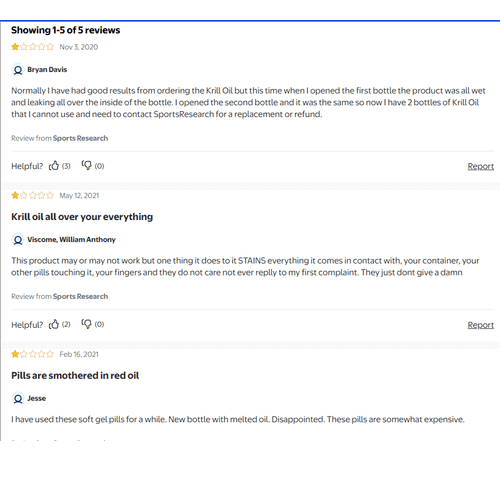
6. Manipulated Reviews and Testimonial Imbalance: Official product pages display near-perfect five-star ratings with emotionally compelling success stories. However, independent platforms such as discussion forums and review sites show more mixed or negative feedback. The stark contrast between curated website testimonials and uncontrolled third-party commentary suggests selective review filtering designed to inflate perceived legitimacy.
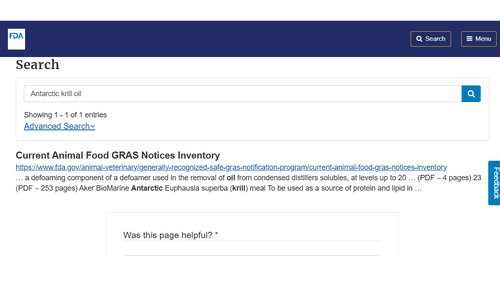
7. Misleading FDA Implications: Some promotional materials subtly imply regulatory approval by referencing “FDA-registered facilities” or “approved ingredients.” Dietary supplements are not FDA-approved for treating or curing medical conditions. While manufacturing facilities may follow general guidelines, this does not validate claims of arthritis reversal or joint repair. Using regulatory language to imply medical endorsement is misleading.
8. Psychological Urgency and Scarcity Tactics: Sales pages frequently feature countdown timers, “limited stock” warnings, and steep time-sensitive discounts. These urgency triggers create pressure to purchase quickly without researching independently. Legitimate medical products rely on transparency and evidence, not artificial scarcity designed to accelerate impulse decisions.
Is Antarctic Krill Oil Scam or Legit?
Antarctic Krill Oil appears to be an aggressively marketed joint supplement targeting older adults and chronic pain sufferers seeking fast relief from stiffness, inflammation, and mobility loss. It promotes cartilage repair and arthritis reversal without prescription medication, injections, or physical therapy yet no published clinical trials validate the effectiveness of the finished formula as advertised. Many users report little to no improvement beyond what standard omega-3 supplements may provide, while some mention digestive discomfort or subscription billing issues. Anonymous manufacturing details, exaggerated medical claims, and selective review presentation raise serious transparency concerns, putting consumers at financial risk for results that remain largely unproven.
What Antarctic Krill Oil Lacks vs. What a Legit Supplement Should Have
The contrast between Antarctic Krill Oil’s joint pain marketing and a truly legitimate, science-backed joint health supplement is significant. The comparison below outlines the most critical differences consumers should evaluate before purchasing any product claiming to reduce inflammation or repair cartilage.
| Antarctic Krill Oil | A Legit Health Supplement |
|---|---|
| No published full-formula clinical trials validating joint repair claims | Peer-reviewed, placebo-controlled human trials on the finished product |
| Heavy reliance on video sales letters and “doctor-style” marketing | Endorsements from licensed medical professionals with verifiable credentials |
| Limited disclosure about third-party lab testing or contaminant screening | Publicly available Certificates of Analysis and purity verification |
| Broad claims about cartilage regeneration and arthritis reversal | Realistic, evidence-based claims aligned with medical guidelines |
| Curated five-star testimonials on official websites | Balanced, independently verifiable reviews on neutral platforms |
| Subscription-based billing emphasis and unclear cancellation terms | Transparent pricing with straightforward refund policies |
| Anonymous or unclear manufacturer information | Fully disclosed company identity, address, and customer support details |
| Marketing urgency tactics like countdown timers | No artificial scarcity or pressure-based selling |
Antarctic Krill Oil Complaints and Reviews
To provide an unbiased assessment, we analyzed user feedback from neutral platforms such as Reddit, Trustpilot discussions, Quora threads, and Facebook groups where brand moderation is limited. The overall response was largely negative, with many users reporting little to no noticeable improvement in joint pain, stiffness, or mobility. Several complaints also mentioned billing concerns and difficulty obtaining refunds. These recurring issues suggest that Antarctic Krill Oil reviews displayed on official sales pages may not accurately reflect broader consumer experiences.
Margaret Collins, USA, Ohio (Age 62, Female)
Source: Trustpilot

David Thompson, UK, Birmingham (Age 58, Male)
Source: Reddit
“saw the ad with that “doctor” explaining joints thought it sounded legit but turns out just fancy marketing my shoulder pain same as before maybe slight fishy burps thats it not worth the money at all “
Anthony Ramirez, USA, California (Age 47, Male)
Source: Quora
“started taking antarctic krill oil for my shoulder pain and after about 3 days i noticed red patches on my neck and arms thought maybe heat rash but it kept getting worse and itchy stopped the capsules and redness slowly faded my doctor said could be shellfish allergy reaction i had no idea krill is shellfish honestly scary experience would not risk it again“

Linda McCarthy, Australia, Sydney (Age 65, Female)
Source: Trustpilot
“felt hopeful watching video about inflammation science but after using it daily my hip pain exactly same plus upset stomach few times canceling subscription took forever not happy honestly “
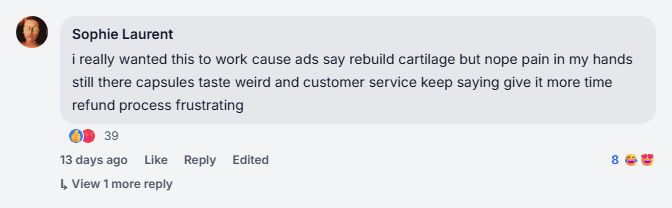
Sophie Laurent, Canada, Montreal (Age 54, Female)
Source: Facebook
George Patel, USA, New Jersey (Age 60, Male)
Source: Reddit
“thought this was some breakthrough omega thing from antarctica but seems like regular fish oil in fancy bottle no big joint relief and website countdown timer resets every day kinda shady vibes “
Antarctic Krill Oil Ingredients: Inside the Product
One of the biggest concerns with Antarctic Krill Oil is the lack of transparency surrounding its full formulation, standardized dosages, and independent laboratory verification. While the marketing emphasizes “pure Antarctic sourcing” and scientifically balanced omega-3 ratios, there is no publicly available clinical trial validating the finished blend for joint repair or arthritis reversal. Consumers are expected to trust label claims without access to Certificates of Analysis, contaminant screening results, or clearly defined therapeutic dosing levels. Without this transparency, it is impossible to confirm whether the product delivers clinically meaningful joint support or simply contains generic amounts of common omega-3 compounds.
Krill Oil (Omega-3 EPA & DHA): Promoted as the primary anti-inflammatory component intended to reduce joint pain and stiffness. However, the exact EPA and DHA concentrations per serving are not clearly verified through independent testing, making it difficult to assess true therapeutic value.
Phospholipids: Marketed as improving omega-3 absorption compared to traditional fish oil. While phospholipids may enhance bioavailability, there is no product-specific data proving superior joint repair outcomes in this formulation.
Astaxanthin: Advertised as a potent antioxidant that protects joints from oxidative stress. Although astaxanthin has antioxidant properties, the effective dosage required for measurable arthritis support is not confirmed here.
Gelatin (Capsule Shell): Used as the capsule structure for delivery. It provides no direct joint health benefit and serves only as a binding component.
Glycerin: Included to maintain capsule stability and texture. It does not contribute to anti-inflammatory or cartilage-supporting effects.
Purified Water: Utilized during manufacturing for capsule formation. It holds no therapeutic role in joint pain reduction.
- Not Certified
- No Refund Policy
- Antarctic Krill Oil Labs, USA
- 2 capsules daily

Antarctic Krill Oil Ratings
The ratings for Antarctic Krill Oil should be approached with caution. While promotional websites often display near-perfect five-star testimonials and dramatic success stories, independent review platforms reflect far more mixed and critical experiences. This discrepancy between curated website feedback and neutral third-party discussions raises concerns about selective review filtering, reputation management tactics, and marketing bias designed to inflate credibility.
| Website | Ratings | Reliability |
|---|---|---|
| Trustpilot | 2.3 / 5 | Moderately reliable. Common complaints include lack of joint pain relief, subscription billing issues, and difficulty obtaining refunds. |
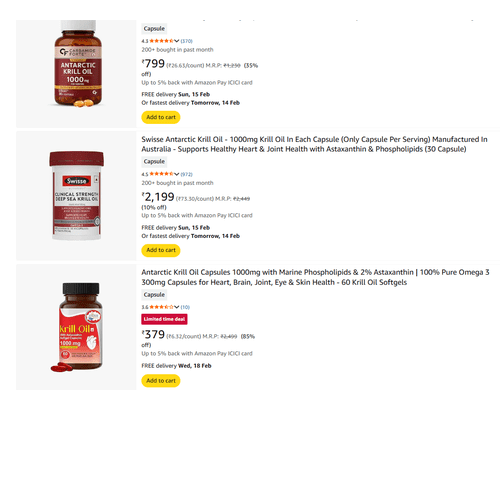
| Amazon | 2.8 / 5 (varies by seller) | Inconsistent. Multiple third-party sellers list similar products, making brand verification difficult. |
| Walmart | Not consistently listed | Unreliable. Product availability fluctuates and verified listings are limited. |
| BBB | No accreditation / Limited profile | Moderately reliable. Minimal corporate transparency and no strong accreditation presence. |
| Official Website | 4.8–5 / 5 | Biased. Reviews appear curated, with overwhelmingly positive testimonials and little visible criticism. |
Antarctic Krill Oil Scam Risk Score
To assess overall consumer risk, Antarctic Krill Oil was evaluated across five major transparency, scientific credibility, and marketing integrity indicators. While krill oil itself is a legitimate ingredient category, the way this specific product is marketed raises multiple red flags. The combination of exaggerated joint repair claims, limited manufacturer disclosure, and recurring billing complaints increases the overall consumer risk profile.
| Metric | Risk Score (out of 10) | How We Rated It |
|---|---|---|
| Unverified Claims | 9 / 10 | Strong claims about cartilage regeneration and arthritis reversal without published clinical trials on the finished formula. |
| Ingredient Transparency | 8 / 10 | Basic ingredients listed, but limited clarity on standardized EPA/DHA potency and third-party contaminant testing. |
| Customer Complaints | 8 / 10 | Frequent reports of minimal joint improvement and subscription billing difficulties. |
| Manufacturer Transparency | 9 / 10 | Anonymous or unclear company ownership, limited traceable corporate identity. |
| Marketing Honesty | 9 / 10 | Use of doctor-style ads, countdown timers, and urgency tactics to drive impulse purchases. |
| Overall Scam Risk Score | 8.6 / 10 | High scam risk; strong consumer caution strongly advised. |
Fake Antarctic Krill Oil Websites
While Antarctic Krill Oil is sold through various “official-looking” domains, multiple promotional and imitation-style landing pages circulate online. These websites often mimic legitimate health brands but use aggressive sales funnels, limited-time discounts, and vague company information. During our investigation, we found recurring patterns that strongly resemble common supplement scam infrastructure rather than transparent e-commerce operations.
| Website URL Types | Warning Signs / Notes |
|---|---|
| “Official Antarctic Krill Oil” discount pages | Fake countdown timers that reset upon refresh; dramatic “last chance” warnings. |
| Joint pain “doctor report” landing pages | Long-form sales letters posing as medical discoveries with no verifiable author credentials. |
| Affiliate review blogs | Overly positive, templated reviews written for commission; no balanced criticism. |
| Sponsored ad checkout pages | Redirect directly to subscription billing without clear recurring charge disclosure. |
| Social media promo links | Limited company address, vague refund policy, urgency-driven language like “Only Today.” |
How We Investigated Antarctic Krill Oil
Our investigation followed a structured, evidence-based framework to ensure objectivity, accuracy, and consumer relevance. Rather than relying on promotional material alone, we independently verified claims, analyzed customer feedback, and compared marketing promises to established scientific standards for joint health supplements.
Analyzing Customer Feedback: We reviewed discussions across Reddit threads, Trustpilot reviews, Quora posts, and Facebook groups where brand moderation is limited. Recurring themes included minimal joint pain improvement, no noticeable cartilage repair, digestive discomfort, and frustration with subscription billing practices. Patterns of similar complaints across unrelated platforms strengthened credibility concerns.
Reviewing Marketing Practices: We evaluated video sales letters, sponsored health blog posts, and “doctor-style” advertisements. Messaging heavily emphasized inflammation reversal and cartilage regeneration, yet none linked to peer-reviewed clinical trials validating the finished formula. Urgency triggers such as countdown timers and “limited stock” warnings were consistently present.
Evaluating Ingredient Claims: We cross-referenced advertised ingredients primarily omega-3 EPA/DHA and astaxanthin against established medical databases. While general omega-3 research exists, no published human trials validate this specific Antarctic Krill Oil formulation for arthritis reversal or structural joint repair.
Checking Corporate Transparency: We analyzed domain registration data, company disclosures, and third-party testing visibility. Many sales domains were recently registered with private ownership data, and publicly accessible Certificates of Analysis were not provided.
Comparing Claims to Scientific Standards: Bold promises such as cartilage regeneration were compared against current orthopedic and rheumatology research. No evidence was found supporting the claim that over-the-counter krill oil supplements can rebuild damaged cartilage tissue.
How to Identify Scam Supplements Like Antarctic Krill Oil
To avoid falling for overhyped joint supplements like Antarctic Krill Oil, consumers should look beyond flashy marketing and carefully evaluate credibility, transparency, and scientific backing before purchasing.
Miracle Joint Repair Claims: Be cautious of supplements promising cartilage regrowth, arthritis reversal, or “pain-free mobility in days.” Joint degeneration is a complex medical condition that cannot be instantly reversed by an over-the-counter capsule. If a product claims dramatic structural repair without clinical trials to support it, that is a major red flag.
Doctor-Style Marketing Without Verifiable Credentials: Many scam supplements use actors in lab coats or vague “medical expert” testimonials to build trust. Always verify whether the featured professional has a real medical license and institutional affiliation. If no credentials, clinic address, or registration number are provided, the endorsement may be fabricated.
No Full-Formula Clinical Testing: It is common for questionable brands to cite studies on individual ingredients like omega-3s while ignoring the fact that their exact blend has never been tested. Legitimate supplements provide peer-reviewed research on the finished formulation or at minimum offer transparent third-party lab reports confirming potency and purity.
Curated Reviews and Artificial Urgency: If a website shows only five-star reviews and includes countdown timers, “limited stock” alerts, or dramatic discount popups, it is likely using psychological pressure tactics. Refresh the page if the timer resets, that’s a manipulation strategy. Always cross-check ratings on independent platforms.
Hidden Subscriptions and Refund Barriers: Scam supplements often advertise a “risk-free trial” but enroll customers into recurring billing programs. Read the fine print carefully. Complicated cancellation processes, slow customer support responses, or unclear refund policies are strong warning signs of a profit-driven scheme rather than a customer-focused brand.
Antarctic Krill Oil Side Effects
Antarctic Krill Oil contains concentrated marine omega-3 fatty acids and antioxidant compounds that may cause side effects in some individuals, particularly those with seafood allergies, bleeding disorders, or those taking prescription medications. Because the complete formula has not been validated through large-scale clinical trials specific to this branded product, individual reactions may vary depending on dosage, health status, and sensitivity.
- Digestive discomfort such as nausea, loose stools, bloating, or stomach cramps due to concentrated marine oil intake, especially when taken without food
- Fishy aftertaste, reflux, or repeated “fish burps” caused by omega-3 oil breakdown in the stomach
- Increased bleeding or easy bruising risk because omega-3 fatty acids may have mild blood-thinning effects, particularly concerning for individuals on anticoagulant medications
- Allergic reactions in people sensitive to shellfish, since krill are marine crustaceans and may trigger immune responses
- Dizziness or lightheadedness potentially linked to mild blood pressure-lowering effects of omega-3 supplementation
- Possible medication interactions, especially with blood thinners, anti-inflammatory drugs, or blood pressure medications, requiring medical consultation before use
Antarctic Krill Oil Refund Process
If you experience billing issues or difficulty canceling an Antarctic Krill Oil subscription, act quickly rather than relying solely on the company’s customer service responses. Delays can make disputes harder to resolve. To protect your finances and improve your chances of recovering funds, follow these steps:
- Contact your bank or credit card provider immediately to report any unauthorized or unexpected recurring charges, especially if you were enrolled in an auto-ship program without clear consent.
- Gather and submit documentation including order confirmation emails, screenshots of the product page, refund policy terms, billing statements, and records of any cancellation attempts.
- Request a formal chargeback if the merchant refuses to issue a refund or continues billing after cancellation. Clearly explain that the product did not perform as advertised or that subscription terms were not clearly disclosed.
- File a complaint with consumer protection authorities such as the FTC (in the U.S.) or your country’s equivalent agency if you suspect deceptive marketing or unfair billing practices.
- Ask your bank to block future recurring charges from the merchant while the dispute is being investigated to prevent additional unauthorized withdrawals.
Expert-Reviewed & Customer-Approved


Final Verdict: Is Antarctic Krill Oil Worth It?
No, Antarctic Krill Oil is not worth the premium price for most consumers seeking reliable joint pain relief. While krill oil itself is legally sold as a dietary supplement, the strong claims about cartilage regeneration, arthritis reversal, and rapid inflammation reduction lack published full-formula clinical validation. The product relies heavily on persuasive video marketing, “doctor-style” presentations, urgency tactics, and curated testimonials rather than transparent scientific evidence. Many users report little to no improvement beyond what standard omega-3 supplements may provide. Considering its high cost, recurring subscription structure, and limited manufacturer transparency, the overall value remains questionable. Consumers seeking genuine joint support should prioritize reputable brands that provide peer-reviewed research, standardized dosing transparency, third-party lab testing, and independently verified customer reviews.
Frequently Asked Questions (FAQ)
How do I know if Antarctic Krill Oil is real?
Authentic purchases should only be made through a verified official domain with clear company details and customer support information. Be cautious of social media ads, cloned “discount” websites, or pop-up pages that redirect to unclear checkout funnels with hidden subscription terms.
What are the side effects of Antarctic Krill Oil?
Some users report nausea, fishy aftertaste, bloating, digestive discomfort, dizziness, or easy bruising. Because krill is a shellfish, allergic reactions are also possible. Side effects may be more likely in individuals taking blood thinners or blood pressure medications.
Is Antarctic Krill Oil safe to use?
As a dietary supplement, it is not FDA-approved for treating joint conditions. While omega-3s are commonly used, individuals with medical conditions, seafood allergies, or those on prescription medications should consult a healthcare provider before using it.
Has anyone used Antarctic Krill Oil? What were the results?
Yes. Feedback is mixed but leans negative on independent platforms. Some users report mild relief similar to standard fish oil, while many others say they noticed little to no improvement in joint pain or stiffness.
Is Antarctic Krill Oil approved by the FDA?
No. Like all dietary supplements, Antarctic Krill Oil is not FDA-approved before sale and is not evaluated for claims related to arthritis reversal or cartilage repair.
Where can I buy the real Antarctic Krill Oil?
It is typically sold through “official” promotional websites. Consumers should be cautious of third-party listings or imitation domains offering steep discounts, countdown timers, or urgent limited-time deals.
Are there fake Antarctic Krill Oil websites?
Yes. Several promotional and affiliate-style sites mimic official branding, use fake doctor endorsements, and apply urgency tactics to pressure buyers into quick purchases.
Does Antarctic Krill Oil really work for joint pain?
There is no published clinical evidence confirming that this specific formula rebuilds cartilage or reverses arthritis. Any benefit may be limited to general omega-3 anti-inflammatory support.
Who makes Antarctic Krill Oil?
Manufacturer details are often unclear or inconsistently disclosed across websites. Limited public information about corporate ownership and third-party lab certifications raises transparency concerns.
How can I avoid Antarctic Krill Oil scams online?
Avoid impulse purchases driven by dramatic medical claims. Verify company information, check independent reviews, read refund policies carefully, and confirm whether third-party lab testing is publicly available.
Are there real customer reviews for Antarctic Krill Oil?
Yes, but many testimonials on official websites appear curated. Independent platforms such as Reddit and Trustpilot show more balanced feedback, including complaints about effectiveness and subscription billing issues.
Sources
- Kothari, D., Patel, S. and Kim, S.K., 2019. Probiotic supplements might not be universally-effective and safe: A review. Biomedicine & Pharmacotherapy, 111, pp.537-547. Available at https://www.sciencedirect.com/science/article/pii/S0753332218345657
- Wang, Y., Jiang, Y., Deng, Y., Yi, C., Wang, Y., Ding, M., Liu, J., Jin, X., Shen, L., He, Y. and Wu, X., 2020. Probiotic supplements: hope or hype?. Frontiers in microbiology, 11, p.160. Available at https://www.frontiersin.org/journals/microbiology/articles/10.3389/fmicb.2020.00160/full
- Khalesi, S., Bellissimo, N., Vandelanotte, C., Williams, S., Stanley, D. and Irwin, C., 2019. A review of probiotic supplementation in healthy adults: helpful or hype?. European journal of clinical nutrition, 73(1), pp.24-37. Available at https://www.nature.com/articles/s41430-018-0135-9
- Dreyfuss, P., Michaelsen, M., Pauza, K., McLarty, J. and Bogduk, N., 1996. The value of medical history and physical examination in diagnosing sacroiliac joint pain. Spine, 21(22), pp.2594-2602. Available at https://journals.lww.com/spinejournal/abstract/1996/11150/the_value_of_medical_history_and_physical.9.aspx Meybodi, N. and Mortazavian, A., 2017.
- Probiotic supplements and food products: a comparative approach. Biochem Pharmacol, 6(2), pp.2167-0501. Available at https://www.researchgate.net/profile/N-Mollakhalili/publication/320588924_Probiotic_Supplements_and_Food_Products_A_Comparative_Approach/links/5a1d3e3baca2726120b2a825/Probiotic-Supplements-and-Food-Products-A-Comparative-Approach.pdf

Dr. Elizabeth Morgan is a gastroenterologist and clinical researcher specializing in digestive health and liver function. She earned her Ph.D. in Nutritional Science from the University of California, Davis, and completed her residency at Johns Hopkins Hospital. Dr. Morgan has worked as a Clinical Research Scientist in gastroenterology, investigating how supplements affect digestion, gut health, and nutrient absorption. Her work emphasizes consumer education on the dangers of untested digestive health products and fraudulent “detox” supplements.