

ZenSulin is a heavily marketed blood sugar supplement claiming to regulate blood sugar levels, enhance insulin sensitivity, and improve overall health without the need for major lifestyle changes. However, our investigation reveals that it operates through misleading advertising tactics, fabricated testimonials, AI-generated doctor endorsements, exaggerated claims of natural effectiveness, and concealed company ownership. With no verified clinical trials, no transparent manufacturer details, and increasing consumer complaints about ineffectiveness and refund issues, the ZenSulin scam appears to target individuals seeking easy solutions for blood sugar management rather than providing credible, science-backed health benefits.
What Is ZenSulin?
ZenSulin is marketed as a natural supplement aimed at regulating blood sugar levels, improving insulin sensitivity, and promoting overall health without the need for drastic lifestyle changes. It is often promoted through aggressive online ads, dramatic success stories, and questionable endorsements from so-called experts. However, the product is sold through anonymous or frequently changing websites with no verified manufacturer, limited transparency, and no clinical trials or third-party testing to back up its claims, raising concerns about its legitimacy and effectiveness.
Claims vs. Reality: Does ZenSulin Really Work?
ZenSulin claims to regulate blood sugar levels, improve insulin sensitivity, and support overall health without requiring major lifestyle changes. However, independent investigations and user feedback suggest the product does not meet these promises and lacks credible scientific backing.
| Claims Made by ZenSulin | Reality Based on Investigation |
|---|---|
| Regulates blood sugar levels effectively | No clinical trials confirm its effectiveness in blood sugar control. |
| Improves insulin sensitivity naturally | No published studies support this claim for ZenSulin. |
| Supports overall health without lifestyle changes | Effective blood sugar management requires diet and exercise. |
| Provides fast, noticeable results | Most users report no significant change or improvement. |
| Made with natural, safe ingredients | Ingredient sourcing, dosages, and purity are unverified. |
| Clinically tested and doctor recommended | No legitimate clinical trials or verified medical endorsements. |
8 Proofs Why ZenSulin Is a Scam
Our investigation uncovered eight key red flags revealing that ZenSulin supplement relies on aggressive marketing, limited transparency, no verified scientific support, and growing complaints about ineffectiveness and billing issues common indicators of a high-risk supplement scam.
1.Deceptive Subscription and Billing Practices: ZenSulin is often sold through confusing checkout pages promoting bulk bundles and “limited-time” offers. Many users report unexpected recurring charges after their initial order, with cancellation terms hidden in fine print, making it difficult to stop unauthorized repeat billing.
2.High-Pressure and Misleading Marketing: The sales pages use countdown timers, “limited stock” alerts, and exaggerated blood sugar control claims. Doctor endorsements and media logos often lack independent verification. These tactics aim to create urgency and trigger impulse purchases.
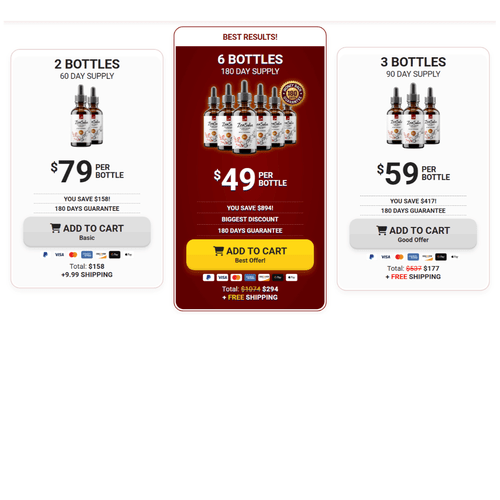
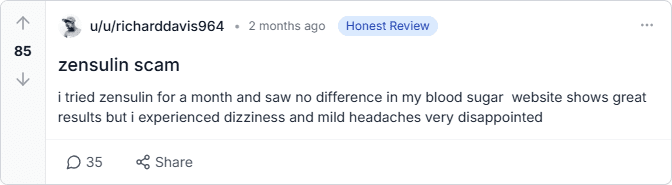
3.Negative Customer Reviews: On independent forums and complaint platforms, users consistently report no improvements in blood sugar levels or insulin sensitivity. Some mention side effects like dizziness, headaches, and nausea, which contradict the glowing reviews on official pages.
4.Misleading Money-Back Guarantee: While ZenSulin promotes a “100% satisfaction guarantee,” customers seeking refunds often report delayed responses, unanswered emails, or denied requests due to hidden return conditions. The refund process appears unreliable.
5.Unverified and Questionable Ingredients: ZenSulin promotes common blood sugar-regulating ingredients, such as cinnamon and bitter melon, but lacks transparency about ingredient dosages, sourcing, and third-party lab verification. Consumers cannot confirm the product's purity or effectiveness.
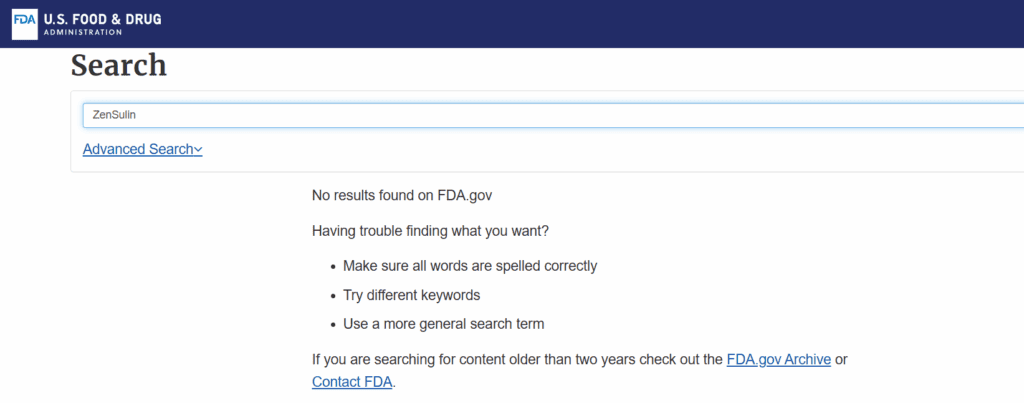
6.No Independent Testing or Clinical Evidence: There are no peer-reviewed clinical trials supporting ZenSulin’s claims for blood sugar regulation. It is not FDA-approved and lacks independent lab testing, leaving its safety and effectiveness unproven.
7.Fake Endorsements and Manipulated Ratings: Marketing materials feature stock-photo “doctors” and unverifiable success stories. Ratings on the official website are overwhelmingly positive, while independent review platforms reveal more negative or mixed feedback, indicating manipulated reviews.

8.Anonymous Manufacturer and Hidden Ownership: ZenSulin does not disclose a verifiable company name, corporate registration, or physical location. Domain ownership is often privacy masked, limiting accountability for billing disputes or product complaintsan issue common in high-risk supplement operations.
Is ZenSulin Scam or Legit?
ZenSulin is a scam. It targets individuals seeking blood sugar control by promising improved insulin sensitivity and overall health benefits without major lifestyle changes. However, it is sold through anonymous websites with no verifiable manufacturer, clinical proof, or regulatory transparency. Its marketing relies on exaggerated health claims, stock-photo doctor endorsements, and fabricated success stories to build trust. Users often report no improvement in blood sugar levels, with some experiencing dizziness, headaches, and stomach discomfort. Rotating sales funnels, countdown timers, hidden subscription terms, and unresponsive customer support further indicate deceptive practices, making refunds difficult and leaving consumers at risk of financial loss and unmet expectations.
What ZenSulin Lacks vs. What a Legit Health Supplement Should Have
The differences between ZenSulin and a legitimate, science-backed blood sugar supplement are significant and concerning. The table below highlights the most critical shortcomings identified during our investigation:
| ZenSulin | A Legit Health Supplement |
|---|---|
| No verified manufacturer or transparent company information | Publicly registered company with verifiable ownership and clear contact details |
| Uses exaggerated blood sugar control claims and questionable endorsements | Supported by licensed professionals with transparent credentials |
| No independent clinical trials or third-party lab testing | Backed by peer-reviewed research and verified laboratory testing |
| Promises blood sugar regulation without solid scientific validation | Makes realistic, evidence-based claims about effectiveness |
| Reviews primarily appear on promotional sales pages | Authentic reviews available on independent platforms |
| Sold through urgency-driven, anonymous websites | Sold by identifiable brands with clear pricing, terms, and refund policies |
ZenSulin Complaints and Reviews
Independent reviews of ZenSulin frequently report no improvement in blood sugar levels, with users mentioning side effects like dizziness, headaches, and stomach discomfort. Many also cite poor results, refund difficulties, and misleading marketing with exaggerated health claims and unverifiable endorsements.
Daniel Carter, United States, New York (Age 40, Male)
Source: Trustpilot

Emma Thompson, Canada, Toronto (Age 35, Female)
Source: Trustpilot
i was hoping zensulin supplement would help with my blood sugar levels but after using it daily i didnot feel any better i also had mild stomach discomfort and no noticeable change
Ryan Mitchell, United States, Florida (Age 43, Male)
Source: Quora
zensulin drop was supposed to improve my insulin sensitivity but i felt no different my blood sugar stayed the same and my cravings didnot reduce just empty promises in my opinion
Christopher Jackson, United Kingdom, Manchester (Age 37, Female)
Source: Reddit
i used ZenSulin daily, as instructed, but saw no improvement the website reviews seemed too good to be true and i felt slight stomach discomfort and headaches instead
Sophia Rodriguez, United States, Texas (Age 39, Female)
Source: Reddit
Tried ZenSulin drop for a few weeks no blood sugar regulation just a lot of hype. experienced headaches and stomach issues. the reviews on their site seem suspiciously perfect
Lucas Walker, Australia, Melbourne (Age 41, Male)
Source: Reddit
ZenSulin Ingredients: Inside the Product
ZenSulin is marketed as a blood sugar regulation supplement, but there is no independent verification of dosages, ingredient sourcing, or third-party lab testing. The formula uses popular ingredients linked to blood sugar support, though there is no clear clinical validation for their effectiveness in ZenSulin.
- Cinnamon Extract: Often promoted for its potential to improve insulin sensitivity, but real-world effects are typically modest and the dosage is not specified.
- Bitter Melon: Claimed to regulate blood sugar levels, though the evidence is mixed and concentration levels are unclear.
- Berberine: Advertised to support healthy blood sugar, but its efficacy requires precise dosing, which is not disclosed.
- Turmeric: Commonly promoted for its anti-inflammatory effects, though evidence for significant blood sugar regulation is limited.
- Gymnema Sylvestre: Said to reduce sugar cravings, but research results are inconsistent, and the exact dosage in ZenSulin is unverified.
- Fenugreek: Claimed to help manage blood sugar, but the concentration and dosage are not provided, making its actual effectiveness uncertain.
ZenSulin Ratings
The ratings associated with ZenSulin are inconsistent and potentially misleading. Promotional pages display near-perfect scores, while independent platforms show dissatisfaction and repeated complaints.
| Website | Ratings | Reliability |
|---|---|---|
| Trustpilot | 1.8 / 5 | Reliable. Users report no improvement in blood sugar, side effects like dizziness, and refund issues. |
| N/A | Reliable. Discussions often question effectiveness and highlight marketing tactics. | |
| Quora | N/A | Reliable. Users express skepticism about blood sugar regulation and product legitimacy. |
| BBB | Unrated | Reliable. No accredited business profile and reports of unresolved billing complaints. |
| Official Website | 4.9 / 5 | Questionable. Reviews appear curated, with little to no visible negative feedback. |
ZenSulin Scam Risk Score
ZenSulin supplement blood sugar was evaluated across five critical risk categories to determine overall consumer risk and product credibility. The results indicate a very high risk level due to limited transparency, unverified claims, and repeated customer complaints.
| Metric | Risk Score (0–10) | How We Rated It |
|---|---|---|
| Unverified Claims | 10/10 | Promises blood sugar regulation without published clinical evidence |
| Ingredient Transparency | 9/10 | Exact dosages, sourcing details, and third-party testing are not publicly disclosed |
| Customer Complaints | 9/10 | Reports of no improvement in blood sugar, side effects, and refund issues |
| Manufacturer Transparency | 10/10 | No clearly verifiable company identity or traceable production facility |
| Marketing Honesty | 9/10 | Uses exaggerated blood sugar control claims and potentially misleading endorsements |
| Overall Scam Risk Score | 9.3 / 10 | Extremely High Risk |
Fake ZenSulin Websites
Several suspicious websites promote ZenSulin using fake urgency tactics and anonymous checkout pages, with no verified company details or reliable refund support.
| Website URL Types | Warning Signs / Notes |
|---|---|
| Fake “News” Articles | Disguised as independent health reports but serve as paid advertorials, redirecting to sales funnels |
| Affiliate “Review” Blogs | Overly positive, repetitive content focused on earning commissions rather than offering a balanced analysis |
| “Official” Sales Pages | Use countdown timers, bulk discounts, and urgency tactics without verified manufacturer details |
| Social Media Ad Links | Redirect to cloned checkout pages with masked domain ownership and unclear subscription or billing terms |
How We Investigated ZenSulin
Our investigation into ZenSulin followed a structured, evidence-based approach to assess marketing claims and real consumer experiences. The process included:
Analyzing Customer Complaints: We reviewed reports from Reddit, Trustpilot, Quora, and consumer forums, noting repeated concerns about no improvement in blood sugar levels, side effects, billing issues, and refund difficulties.
Scrutinizing Marketing Tactics: We examined aggressive ads featuring exaggerated blood sugar control claims, stock-photo doctor endorsements, and testimonials that lacked independent verification or scientific backing.
Investigating the Company: Domain and business checks revealed limited transparency, with no clearly verifiable manufacturer details or traceable corporate ownership.
Verifying Claims vs. Evidence: Blood sugar regulation promises were compared against established scientific research. No published clinical trials specific to ZenSulin blood sugar supplement were found.
Reviewing Consumer Alerts: Scam reports and complaint boards were analyzed, revealing patterns of dissatisfaction tied to product effectiveness and customer service responsiveness.
How to Identify Scam Supplements Like ZenSulin
To avoid falling for deceptive products like ZenSulin, watch for these warning signs:
Promises of “Miracle” Blood Sugar Control: Legitimate supplements do not guarantee rapid blood sugar regulation, instant results, or miraculous health improvements without diet or exercise. Be cautious of effortless, quick-fix claims.
Anonymous or Hidden Company: Avoid products that fail to disclose a verifiable business name, physical address, or transparent contact details. Hidden ownership limits accountability and raises concerns about product legitimacy.
No Third-Party Testing: Trustworthy brands provide independent lab reports confirming ingredient purity, dosage accuracy, and safety. A lack of testing documentation is a red flag.
Fake Reviews and Pressure Tactics: Countdown timers, “limited stock” alerts, and fabricated before-and-after success stories are common scam indicators. Always check neutral platforms for unbiased feedback.
Hidden Subscription Traps: Be wary of unclear billing terms that enroll buyers in recurring charges, making cancellations and refunds difficult.
ZenSulin Side Effects
ZenSulin contains herbal ingredients with limited dosage transparency and no publicly verified third-party testing, making potential side effects difficult to predict and raising safety concerns:
- Dizziness, nausea, or stomach discomfort linked to some herbal ingredients
- Headaches or lightheadedness reported by some users
- Jitteriness, anxiety, or restlessness from caffeine or similar stimulants
- Increased blood pressure or mild palpitations, especially in sensitive individuals
- Energy crashes after the initial effects of the ingredients wear off
- Possible allergic reactions to herbal extracts or ingredients
- Unpredictable reactions due to unverified ingredient purity, strength, and interactions
ZenSulin Refund Process
Do not rely solely on ZenSulin customer support for refunds, as many users report delayed responses or difficulty recovering payments. To protect yourself and attempt to reclaim funds:
- Report the transaction immediately to your bank or credit card provider as potentially misleading or unauthorized.
- Gather purchase documentation, including confirmation emails, billing statements, website URLs, and screenshots of advertised claims.
- Request a chargeback citing deceptive marketing, undisclosed subscription terms, or product dissatisfaction.
- File complaints with consumer protection agencies to formally document the issue.
Final Verdict: Is ZenSulin Worth It?
No, ZenSulin is not worth it. The product lacks verified clinical evidence, transparent manufacturer information, and independent third-party testing to support its blood sugar regulation claims. Many consumers report no improvement in blood sugar levels and occasional side effects, while refund policies and customer support appear unreliable. Purchasing ZenSulin supplement may expose buyers to financial risk and uncertain product quality from unclear sources. For safe and effective blood sugar management, choose reputable brands that offer transparent ingredient labeling, verified lab testing, and authentic reviews on trusted retail platforms.
Frequently Asked Questions (FAQ)
How do I know if ZenSulin is real?
Legitimate supplements come from transparent companies with verifiable ownership, clear contact information, and published scientific backing. Be cautious if you cannot verify these details.
What are the side effects of ZenSulin?
Some users report dizziness, headaches, stomach discomfort, or mild jitters. Since ingredient dosages and third-party safety testing are not disclosed, individual reactions may vary.
Is ZenSulin drops safe to use?
Safety cannot be fully guaranteed due to limited transparency regarding ingredient sourcing and independent lab verification. Individuals with medical conditions should consult a healthcare professional before using any supplement.
Has anyone used ZenSulin ? What were the results?
Independent discussions often report no noticeable improvement in blood sugar levels. Some users mention side effects or dissatisfaction, which contrasts with highly positive testimonials on promotional pages.
Is ZenSulin approved by the FDA?
No. ZenSulin is not FDA-approved. Dietary supplements are not reviewed by the FDA for effectiveness before being sold, meaning marketing claims are not formally validated by regulatory authorities.
Where can I buy the real ZenSulin?
ZenSulin is typically sold through online sales funnels. Consumers should be cautious of third-party sellers or websites that lack transparent company details and clear refund policies.
Are there fake ZenSulin drop websites?
Yes. Some websites use countdown timers, dramatic claims, and deep discounts to imitate legitimate sellers. Domains may change frequently, limiting accountability.
Does ZenSulin really work for blood sugar control?
There is no publicly available peer-reviewed clinical research confirming that ZenSulin effectively regulates blood sugar levels. Sustainable blood sugar management generally requires diet and lifestyle changes.
Who makes ZenSulin supplement?
Clear, verifiable manufacturer details are limited. The lack of transparent corporate information raises concerns about oversight and accountability.
How can I avoid ZenSulin scams online?
Avoid urgency-driven sales pages, social media ads promising instant results, and websites without verified company information. Choose supplements from reputable brands offering third-party testing and independent customer reviews.
Are there real customer reviews for ZenSulin supplement drop?
Independent platforms show mixed to negative feedback. Reviews displayed on official sales pages may be curated, so neutral review sites provide more balanced insight.
Sources
- Weinstock, R.S., Aleppo, G., Bailey, T.S., Bergenstal, R.M., Fisher, W.A., Greenwood, D.A. and Young, L.A., 2020. The role of blood glucose monitoring in diabetes management. Available at https://diabetesjournals.org/compendia/article/doi/10.2337/db2020-31/144940/The-Role-of-Blood-Glucose-Monitoring-in-Diabetes
- Schwarz, P.E., Timpel, P., Harst, L., Greaves, C.J., Ali, M.K., Lambert, J., Weber, M.B., Almedawar, M.M. and Morawietz, H., 2018. Blood sugar regulation for cardiovascular health promotion and disease prevention: JACC health promotion series. Journal of the American College of Cardiology, 72(15), pp.1829-1844. Available at https://www.jacc.org/doi/abs/10.1016/j.jacc.2018.07.081
- Raj, S., Toporski, K., Garrity, A., Lee, J.M. and Newman, M.W., 2019, May. ” My blood sugar is higher on the weekends” Finding a Role for Context and Context-Awareness in the Design of Health Self-Management Technology. In Proceedings of the 2019 CHI Conference on Human Factors in Computing Systems (pp. 1-13). Available at https://dl.acm.org/doi/abs/10.1145/3290605.3300349?casa_token=GW2iRLArmjoAAAAA:43mecdUTeDr9i_ulgDBVXcj1EY3t8FSNQs7hIX6AJyNSR1FcGVj1LUyl8r5RGsUzFjqfW2KiO7NFpw
- Chih, A.H., Jan, C.F., Shu, S.G. and Lue, B.H., 2010. Self-efficacy affects blood sugar control among adolescents with type I diabetes mellitus. Journal of the Formosan Medical Association, 109(7), pp.503-510. Available at https://www.sciencedirect.com/science/article/pii/S0929664610600848
- Numsang, P., Oumtanee, A., Kurat, S., Sananok, R., Kraichan, S. and Sarapoke, P., 2023. “Failure to control blood sugar” experiences of persons with type 2 diabetes mellitus. International Journal of Nursing Sciences, 10(4), pp.527-532. Available at https://www.sciencedirect.com/science/article/pii/S2352013223000972

Dr. Michael Harper is a board-certified cardiologist with a focus on cardiovascular health and supplement-related risks to the heart and circulatory system. He earned his Doctor of Pharmacy (Pharm.D.) from the University of Toronto and later completed cardiology training at Toronto General Hospital. Dr. Harper has worked as a Clinical Research Pharmacist and cardiology consultant, studying supplement-induced blood pressure changes, heart risks, and interactions with prescribed medications. He is dedicated to raising awareness about unsafe supplements that claim to “boost heart health.”