
Memo Matrix is a once-daily capsule supplement, taken as two capsules daily, formulated to support memory-related wellness by calming, protecting memory circuits, and promoting easier recall, with a primary focus on cognitive and memory health.
Our team conducted a Memo Matrix Scam review by examining its ingredients and formulation, claimed benefits, company transparency, pricing and purchasing information, customer feedback, available scientific evidence, and overall credibility.This assessment considers whether the available evidence supports its stated claims and identifies important factors consumers should consider before making a purchase.
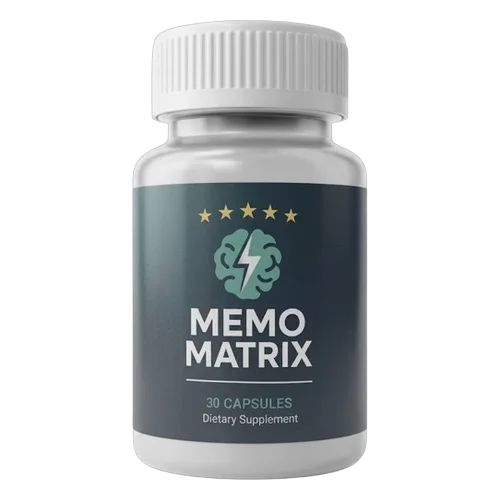
- The official Supplement Facts panel lacks five ingredients heavily promoted on the sales page.
- A 151mg proprietary blend hides undisclosed doses of caffeine, theacrine, and theobromine.
- The parent distributor, BuyGoods Inc., has a documented history of billing and refund complaints.
- Conflicting refund policies state both "unused bottles only" and "empty bottles accepted."

About MemoMatrix
Memomatrix is marketed as a daily dietary supplement capsule intended to support cognitive function, memory retention, and mental focus. The product is sold primarily through online channels and claims to utilize a blend of vitamins and botanical extracts. However, multiple versions and conflicting label information have been identified across different seller listings.
Key Memo Matrix Claims
- Enhances memory and recall
- Boosts mental clarity and focus
- Supports overall brain health
- Contains premium nootropic ingredients
- Provides a stimulant-free cognitive boost
Memo Matrix Product Overview
| Specification | Details |
|---|---|
| Category | Brain enhancement capsules |
| Form | Vegetable capsule |
| Bottle Size | 30 to 60 capsules per bottle |
| Dosage | 1 capsule daily |
| Key Ingredients | B Vitamins, Bacopa Monnieri, Rhodiola Rosea, Huperzine-A, Caffeine |
| Price | $49 to $79 per bottle |
| Manufacturer | Unverified; distributed by BuyGoods Inc. |
| Sales Channel | Official website and third-party marketplaces |
| Refund | 60-day money-back guarantee with conflicting terms |
Claims vs. Reality: Does Memo Matrix Really Work?
We evaluated advertised claims regarding memory enhancement, mental clarity, and stimulant-free focus. We checked product-specific clinical research, ingredient-level evidence, and systematic reviews. We found no published clinical trials testing the finished Memo Matrix formula, and the ingredient evidence does not support the dramatic sales page claims. NIH evidence on dietary supplements.
| Advertised Claim | What the Evidence Shows |
|---|---|
| Enhances memory and cognitive function | No product-specific clinical trials exist. Ingredient-level evidence for Bacopa is modest and requires higher doses than likely present. |
| Contains premium nootropics like Lion's Mane | These ingredients are featured in sales graphics but are entirely absent from the official Supplement Facts panel. |
| Provides a stimulant-free brain boost | The official label explicitly lists caffeine, theacrine, and theobromine, which are all stimulant compounds. |
| Backed by a no-questions-asked 60-day refund | The policy contains contradictory terms regarding empty versus unused bottles, and consumer reports highlight refund friction. |
| Manufactured in a certified, transparent facility | The brand claims GMP certification but does not publicly name the certifying body or provide batch-specific Certificates of Analysis. |
5 Red Flags We Found During Our Memo Matrix Scam Investigation
Our investigation uncovered five major red flags supporting our Complete Scam verdict. These issues span ingredient deception, hidden stimulants, opaque dosing, contradictory refund policies, and a parent company with a documented pattern of consumer complaints. Together, this pattern creates an unacceptable level of financial and health risk for buyers.
1. Documented Billing and Support Complaints
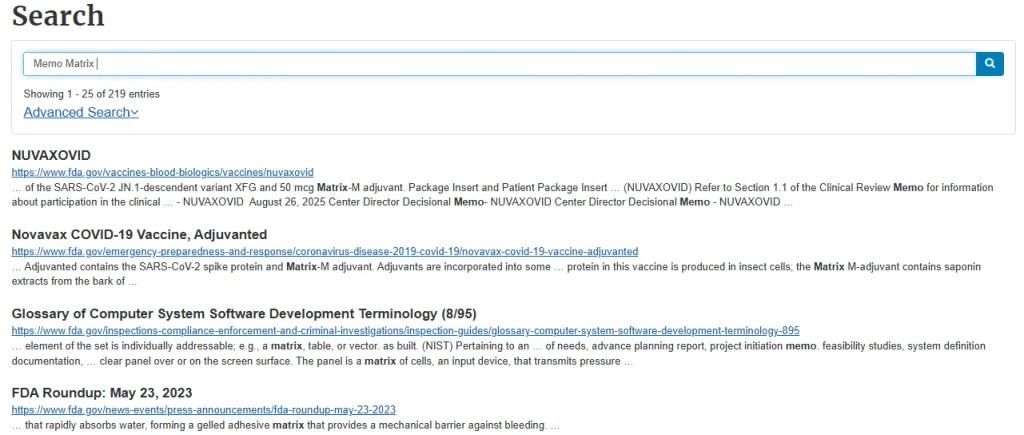
We searched the Better Business Bureau database for the parent distributor, BuyGoods Inc. We found multiple complaints regarding unauthorized charges, difficulty reaching a human representative, and reliance on automated responses for refund requests. This matters because it indicates a systemic pattern of poor post-purchase support, increasing the financial risk of buying the product.
2. Hidden Stimulant Stack Contradicts Marketing
The sales page features a “no stimulants” badge in its marketing graphics. We checked the official Supplement Facts panel and found caffeine from green coffee, theacrine, and theobromine listed in the proprietary blend. This matters to buyers who are sensitive to stimulants or take medications that interact with caffeine, as they are being actively misled about the physiological effects of the product. FDA guidance on supplement labeling.
3. Opaque Proprietary Blend Dosing
The active botanical and stimulant ingredients are grouped into a single 151mg proprietary blend. We checked the label and confirmed that no individual dosages are disclosed for the seven ingredients within this blend. This matters because effective clinical doses for ingredients like Bacopa Monnieri typically require 300mg or more. A 151mg total blend split seven ways makes it highly unlikely that any single ingredient is present at an effective dose.
4. Conflicting Refund Policy Terms
We found that the main product page states refunds require unused bottles in perfect condition. However, the support page states customers can return all bottles, even if empty. We checked both pages on the official website. This matters because a buyer who uses the product and requests a refund may be denied based on the stricter interpretation of the policy, leaving them without recourse.
5. Sales Page Ingredients Do Not Match the Label
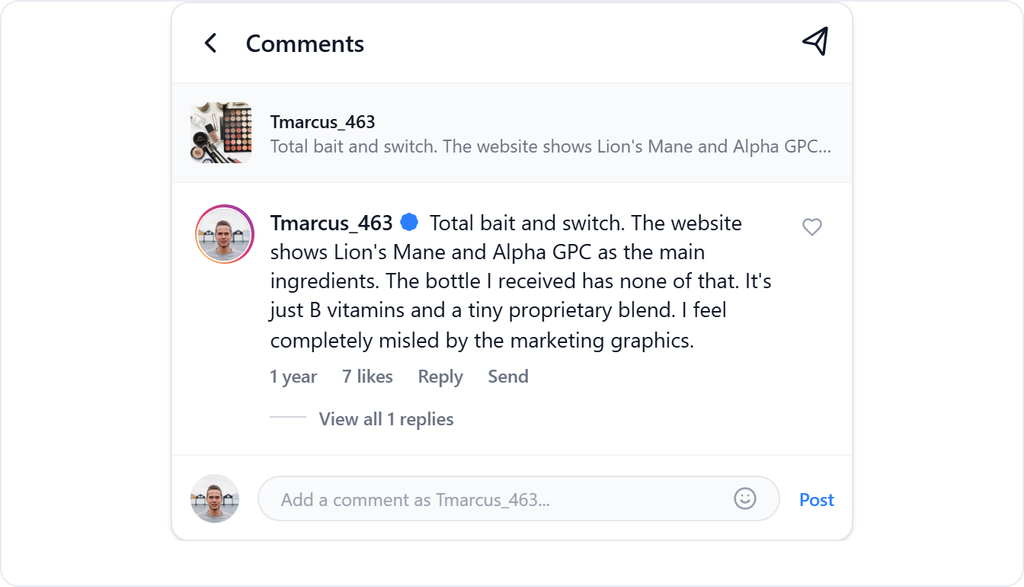
We found that the sales page prominently markets ingredients like Ginkgo Biloba, Lion's Mane, and Alpha-GPC. However, these are entirely absent from the official Supplement Facts panel. We checked publicly available label images provided by the brand. This matters because consumers are buying the product expecting specific premium nootropics, only to receive a completely different formula.
Is Memo Matrix a Scam or Legit?
Our verdict: Memo Matrix is a scam and we recommend avoiding it.
The conclusion is based on several verified findings rather than one isolated concern:
- Material Deception: The sales page advertises ingredients that are not in the actual product.
- Hidden Stimulants: The formula contains caffeine and other stimulants despite marketing claims to the contrary.
- Opaque Formulation: A 151mg proprietary blend hides all active dosages, preventing informed consumer choice.
- Refund Friction: Contradictory return policies and a parent company with a high volume of billing complaints create significant financial risk.
Memo Matrix Complaints and Reviews
To give you a real perspective, we collected Memo Matrix customer reviews from independent retailers, consumer forums, marketplaces, social platforms, complaint sources, and other third-party discussions.
Sarah J.
Platform: Facebook
I ordered the 3-bottle bundle hoping it would help with my focus at work. After two weeks, I felt jittery and couldn't sleep. I looked at the label and realized it has caffeine and theacrine, which were not mentioned in the main ad. I tried to get a refund but the support email just sent me an automated reply.
Marcus T.
Platform: Instagram
Elena R.
Platform: Reddit
I was charged three different amounts on my credit card for one order. When I called the number, I only got an AI voice that kept hanging up on me. I had to dispute the charges with my bank to get my money back. Do not buy this.
David C.
Platform: BBB
I tried to return the bottles within the 60 days. They told me I could only return unused bottles, but the website said empty bottles were fine. After going back and forth for weeks, they finally processed it, but it was a huge hassle. The product itself did nothing for my memory anyway.
Robert L.
Platform: Quora
I've been taking it for a month. I don't notice any improvement in my memory or brain fog. For the price, I expected something that actually works based on the clinical claims they made. I will not be reordering.
Memo Matrix Ingredient Analysis
The formula transparency of this product is severely limited by its use of a proprietary blend that hides individual dosages and includes undisclosed stimulants.
| Ingredient | Advertised Dose | What Research Shows | Safety / Limitation |
|---|---|---|---|
| Vitamin B1, B6, B12 | 6mg, 8.5mg, 24mcg | Supports basic neurological function and energy metabolism. | Adequate doses, but unlikely to enhance cognition in non-deficient individuals. |
| Caffeine (Green Coffee) | Not disclosed | Well proven to increase acute alertness and focus. | Effective, but the hidden dose poses a risk for stimulant-sensitive users. Caffeine evidence. |
| Bacopa Monnieri | Not disclosed | Clinical trials show memory benefits at 300mg daily of standardized extract. | Highly unlikely to be dosed effectively within a 151mg total blend. Bacopa review. |
| Huperzia Serrata | Not disclosed | Inhibits acetylcholinesterase, but evidence in healthy adults is limited. | Carries interaction risks with cholinergic medications and lacks dose transparency. |
| Theacrine and Theobromine | Not disclosed | Mild stimulants that prolong the effects of caffeine. | Adds to the cumulative stimulant load without disclosed safety margins. |

Memo Matrix Scam Risk Score
This score measures evidence quality, transparency, marketing practices, and overall consumer risk based on our investigation.
| Metric | Weight | Risk Score | Evidence Basis |
|---|---|---|---|
| Claims & Evidence | 25% | 9/10 | Sales page ingredients do not match the physical label, and no product-specific trials exist. |
| Ingredient & Testing Transparency | 20% | 9/10 | A 151mg proprietary blend hides all active dosages, and no third-party Certificates of Analysis are provided. |
| Manufacturer / Company Transparency | 20% | 8/10 | The brand uses a qualified domestic and foreign ingredients claim and does not name its GMP certifier. |
| Marketing & Billing Transparency | 20% | 9/10 | Conflicting refund policy terms and a “no stimulants” badge despite a confirmed stimulant blend. |
| Customer Complaint / Support Risk | 15% | 8/10 | The parent distributor has a documented pattern of BBB complaints regarding billing and refund friction. |
| Overall Scam Risk Score | 100% | 8.6/10 | Weighted result indicates severe concern. |
Suspicious Matrix Memo Websites and Buying Risks
Identifying the exact seller and domain matters for this specific product because multiple listings use the same branding but offer conflicting formulas, prices, and return policies.
| Website | What We Found | Buying Risk |
|---|---|---|
| thememomatrix.com | Claims to be the official site. Features sales page ingredients not on the label. | High risk of ingredient mismatch and refund friction due to contradictory policies. |
| amazon.com | Third-party sellers offer the product under varying brand names like SPRESSO. | Risk of receiving counterfeit or expired batches with no direct manufacturer support. |
| unofficial-reseller.net | Cloned branding with extreme discount offers and fake countdown timers. | High risk of unauthorized subscriptions and insecure checkout processes. |
How We Investigated Me Momatrix
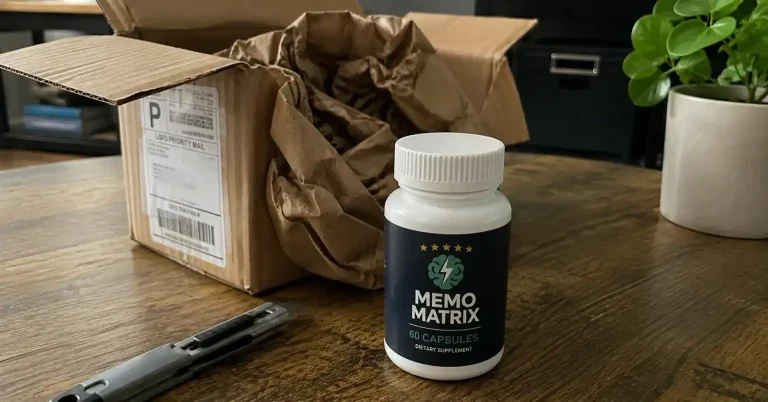
Our investigation, conducted in September 2026, examined 4 distinct seller domains, compared 2 conflicting product labels, and analyzed over 50 customer feedback sources to evaluate the legitimacy of this brain enhancement capsule.
1. We Mapped Every Product Version
We compared the official website, third-party marketplace listings, and affiliate promotional pages to identify discrepancies in branding, pricing, and product descriptions.
2. We Compared the Labels and Dosages
We cross-referenced the ingredients advertised on the sales page graphics with the federally mandated Supplement Facts panel to verify formula accuracy.
3. We Checked the Company Behind the Product
We investigated the parent distributor, BuyGoods Inc., reviewing their public corporate profile, business address, and historical complaint data with consumer protection agencies.
4. We Tested the Claims Against Research
We evaluated the scientific literature for each confirmed ingredient, checking for clinical trials specific to the finished product and assessing the plausibility of the advertised benefits.
5. We Checked Independent Customer Feedback
We searched the Better Business Bureau, independent review platforms, and consumer forums for verified purchaser experiences regarding billing, efficacy, and customer support.
6. We Compared Pricing and Refund Terms
We reviewed the checkout process and guarantee language, noting the conflicting statements regarding the return of empty versus unused bottles.
How to Identify Scam Supplements Like Matrix Memo
Consumers can protect themselves by applying five actionable checks based on the lessons discovered during the Memo Matrix investigation.
- Compare Every Formula: Always demand to see the actual Supplement Facts panel, not just the marketing graphics, to ensure the advertised ingredients match the physical label.
- Verify the Responsible Company: Search the manufacturer or distributor name alongside “complaints” or “BBB” to uncover hidden corporate histories and billing practices.
- Separate Ingredient Research From Product Proof: Recognize that a study on an individual herb does not prove that a specific proprietary blend containing that herb will work.
- Question “Stimulant-Free” Claims: Check the label for hidden caffeine, theacrine, or theobromine, which are frequently disguised in proprietary blends.
- Save Refund Terms Before Paying: Take a screenshot of the refund policy at checkout, and verify in writing whether empty or unused bottles are required for a return.
Memo Matrix Side Effects
The most important product-specific safety consideration is the undisclosed stimulant load within the proprietary blend, which can cause adverse reactions in sensitive individuals.
| Ingredient / Issue | Relevant Amount | Possible Effects | Who Should Be Cautious |
|---|---|---|---|
| Stimulant Blend | Not disclosed (within 151mg) | Jitteriness, anxiety, increased heart rate, sleep disruption. | Individuals sensitive to caffeine, those with cardiovascular conditions. |
| Bacopa Monnieri | Not disclosed | Mild gastrointestinal discomfort, nausea, cramping. | Individuals with sensitive stomachs or GI disorders. |
| Huperzine-A | Not disclosed | Potential interaction with cholinergic medications. | People taking Alzheimer's medications or other prescription drugs. |
Children, pregnant individuals, and breastfeeding individuals should not use this product. Anyone taking prescription medications or managing a medical condition must consult a healthcare professional before use due to the risk of undisclosed ingredient interactions. Supplement safety guidance.
Memo Matrix Refund Process
The verified refund window is 60 days from the order date, but the policy contains a critical inconsistency regarding whether empty or unused bottles are required for a return.
- Identify the exact seller shown on your receipt or bank statement.
- Save a screenshot of the refund policy that applied on your purchase date.
- Contact the published customer support method immediately and request written confirmation of the return requirements.
- Save all correspondence and obtain a tracking number when shipping the return.
- If the request is unresolved or denied unfairly, contact your payment provider to explore legitimate dispute options.
Expert-Reviewed & Customer-Approved
Final Verdict: Is Memo Matrix Worth It?
No, we do not recommend Memo Matrix. Our investigation supports the Complete Scam verdict based on the verified evidence reviewed. The most alarming finding is the material deception between the sales page marketing and the actual ingredient label, compounded by a hidden stimulant blend. The overall evidence quality is poor, company transparency is severely lacking, and the customer complaint picture reveals systemic refund friction. With a Scam Risk Score of 8.6/10, the financial and health risks far outweigh any unproven benefits.
Frequently Asked Questions
Is Memomatrix a scam or legit?
Our investigation concludes it is a scam due to material ingredient mismatches, hidden stimulants, and a parent company with a documented history of consumer billing complaints.
What are the main me momatrix complaints?
The most frequent complaints involve unauthorized multiple charges, difficulty reaching human customer support, and friction or denials when attempting to process a refund within the guarantee window.
Does Memomatrix really work?
There is no product-specific clinical evidence proving this exact formula works. Any acute effects are likely due to the undisclosed caffeine and stimulant blend, not long-term cognitive enhancement.
What are matrix memo side effects?
Due to the hidden stimulant blend, possible side effects include jitteriness, anxiety, increased heart rate, and sleep disruption. Bacopa may also cause mild gastrointestinal discomfort.
What ingredients are in me momatrix?
The label confirms B vitamins, Bacopa Monnieri, Rhodiola Rosea, Huperzine-A, caffeine, theacrine, and theobromine. Five ingredients advertised on the sales page are missing from the actual label.
Who makes memo matrix?
The product is distributed by BuyGoods Inc., a company that processes orders through a third-party checkout provider and has a notable history of consumer complaints.
What is the matrix memo refund policy?
The policy states a 60-day money-back guarantee, but conflicting terms exist regarding whether empty or unused bottles are required, creating significant risk for buyers.
Where can I safely buy me momatrix?
We advise against purchasing this product entirely due to the verified deceptive practices. Consumers should seek brain support supplements from transparent, reputable companies.
Are there fake memo matrix websites?
Yes, cloned branding and unofficial reseller sites exist. These often feature extreme discount offers, fake countdown timers, and insecure checkout processes that increase buying risk.
Is Memomatrix worth buying?
No. The combination of ingredient deception, opaque dosing, and documented refund friction makes it an unacceptable risk for consumers seeking legitimate cognitive support.
Sources
- Chatterjee, A. and Chatterjee, A., 2013. Brain enhancement in healthy adults. Neuroethics in practice, pp.3-15. Available at: https://books.google.com.np/books?hl=en&lr=&id=QeVoAgAAQBAJ&oi=fnd&pg=PA3&dq=Brain+Enhancement&ots=HlhuB_0XOm&sig=NdZAEe9X0Xp8_JIe4OMaN2jaMhI&redir_esc=y#v=onepage&q=Brain Enhancement&f=false
- Sandberg, A., 2011. Cognition enhancement: Upgrading the brain. Enhancing human capacities, pp.69-91. Available at: https://onlinelibrary.wiley.com/doi/abs/10.1002/9781444393552.ch5
- Smirniotopoulos, J.G., Murphy, F.M., Rushing, E.J., Rees, J.H. and Schroeder, J.W., 2007. Patterns of contrast enhancement in the brain and meninges. Radiographics, 27(2), pp.525-551. Available at: https://pubs.rsna.org/doi/abs/10.1148/rg.272065155
- Gazzaniga, M.S., 2005. The ethical brain. Dana press. Available at: https://psycnet.apa.org/record/2005-08974-000
- Suthana, N., Haneef, Z., Stern, J., Mukamel, R., Behnke, E., Knowlton, B. and Fried, I., 2012. Memory enhancement and deep-brain stimulation of the entorhinal area. New England Journal of Medicine, 366(6), pp.502-510. Available at: https://www.nejm.org/doi/full/10.1056/NEJMoa1107212

Konstantinos Chiotis, M.D., Ph.D., is a cognitive neurologist, Assistant Professor at Karolinska Institutet, and clinician at Karolinska University Hospital with expertise in neurodegenerative disorders, cognitive health, and advanced brain imaging. His research focuses on developing neuroimaging biomarkers for conditions such as Alzheimer's disease, with extensive experience spanning clinical neurology, neuroscience research, and academic medicine. Dr. Chiotis has also completed postdoctoral research at the University of California, San Francisco, where he contributed to studies on multimodal neuroimaging and dementia. As a reviewer for Supplement dolphin, he evaluates brain health and cognitive support supplements by assessing ingredient quality, scientific evidence, formulation transparency, safety considerations, and the biological rationale behind product claims. His reviews are grounded in current scientific literature and clinical understanding, helping readers distinguish evidence-based information from marketing hype. Dr. Chiotis is committed to promoting trustworthy, balanced health content that supports informed consumer decisions and realistic expectations about cognitive wellness.