
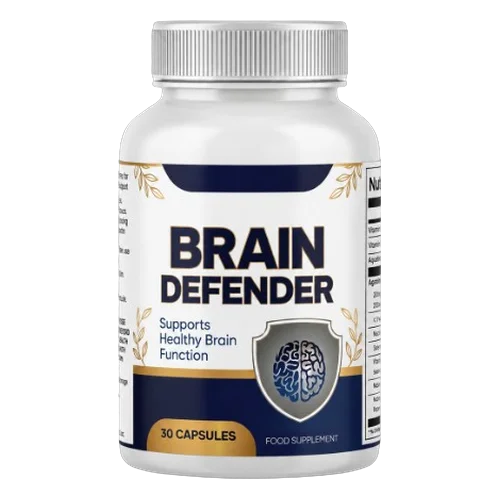
Brain Defender is promoted as a natural, advanced brain health supplement claiming to sharpen focus, erase brain fog, enhance memory recall, and restore physical comfort without prescription medications or invasive treatments. Marketed through misleading social media ads, fake wellness blogs, fabricated success stories, and AI-generated neurology expert endorsements, Brain Defender shows signs of deceptive marketing, unverifiable ingredient claims, zero clinical testing, hidden ownership, and growing consumer complaints. This Brain Defender scam alert warns consumers seeking fast and effortless brain health solutions without scientific validation.
- Rated low on independent forums, with users reporting zero improvement in memory retention or mental clarity.
- Lacks FDA approval, clinical trials, third-party testing, and transparent manufacturer details.
- Causes severe side effects like insomnia, jitteriness, and digestive distress without providing any cognitive benefits.
- Sold through anonymous websites using fake doctor endorsements, hidden auto-ship traps, and impossible refund policies.

What Are Brain Defender Capsules?
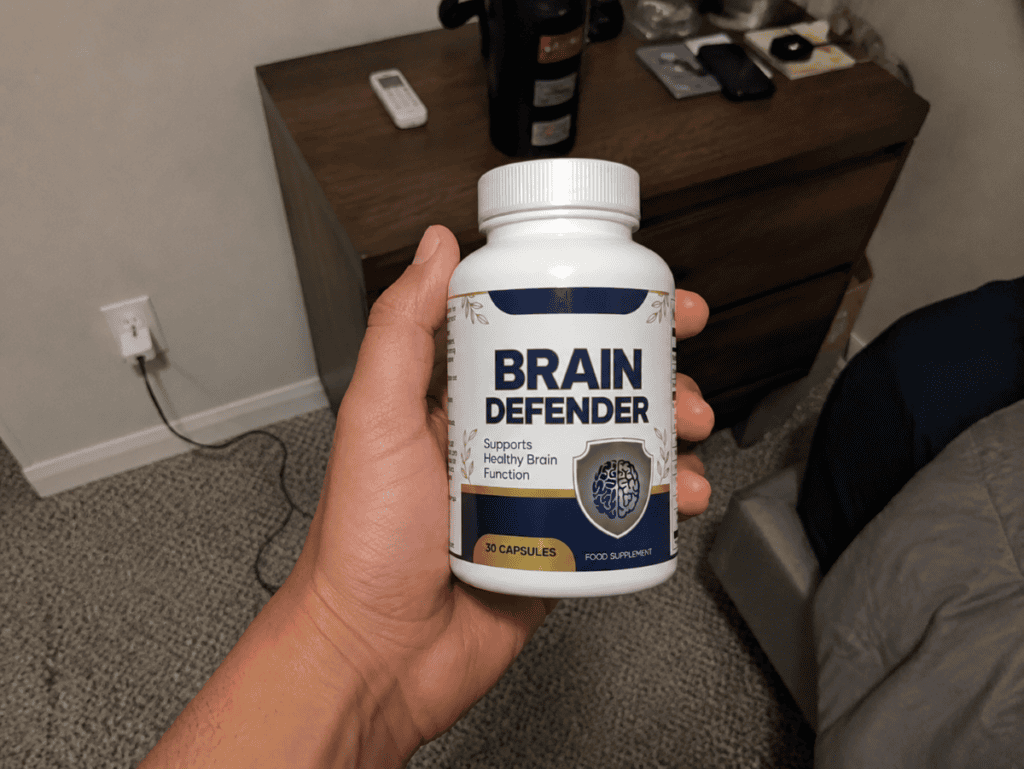
Brain Defender capsules are marketed as a daily dietary formula designed to stimulate natural neurotransmitter production, support healthy cerebral blood flow, and curb mental fatigue without requiring prescription medications, specialist treatments, or major lifestyle adjustments. As a Brain Defender brain supplement, it is promoted through aggressive online advertising, fake health blogs, AI-generated promotional videos, fabricated testimonials, and unverified wellness expert endorsements. It is sold primarily through anonymous websites with no confirmed manufacturer, no physical business address, and little transparency regarding production standards. Ingredient sourcing, active compound concentration, purity, and safety testing for the Brain Defender formula remain completely unproven, leaving consumers with no credible evidence that the product is either effective or safe for daily consumption.
Claims vs. Reality: Does Brain Defender Really Work?
Independent investigations and real consumer feedback consistently suggest that the Brain Defender nootropic fails to deliver on its marketing promises and lacks credible scientific evidence.
| Claim Made by Brain Defender | Reality Based on Our Investigation |
|---|---|
| Improves memory recall instantly | No clinical studies confirm rapid memory enhancement from this specific formula. |
| Eliminates brain fog naturally | Focus-enhancing claims remain unverified for the product itself. |
| Cures age-related cognitive decline | No published scientific trials support these specific Brain Defender reviews claims. |
| Works safely for everyone | Safety testing and dosage verification are not publicly available. |
| Uses clinically tested brain ingredients | Ingredient concentrations, purity, and stability testing remain unverified. |
| Recommended by neurologists | Many endorsements cannot be independently verified and may be misleading. |
7 Proofs Why Brain Defender Is a Scam
Our investigation uncovered multiple warning signs strongly suggesting Brain Defender scam practices are being used to manipulate consumers searching for cognitive management solutions.
1. Impossible Cognitive Claims: The Brain Defender supplement claims it can dramatically improve memory recall, reverse age-related cognitive decline, and restore youthful mental sharpness within days. These promises are not supported by established medical evidence. Brain health is influenced by age, sleep quality, stress levels, genetics, and underlying medical conditions. No over-the-counter pill has been proven to permanently reverse neurodegeneration or regenerate dead neural pathways overnight.
2. Deceptive Sales Tactics: Brain Defender by Brain Defender marketing frequently relies on urgency-based advertising, including “limited batch stock” and “special discount expires today.” These offers often remain active for extended periods, suggesting they are designed to create artificial pressure rather than reflect genuine product availability.

3. Anonymous and Untraceable Founders: A legitimate health company is transparent about its ownership, leadership team, and business operations. The brand provides little to no verifiable information about its founders, executives, or corporate history. The lack of transparency makes it difficult for consumers to determine who is responsible for the product and whether the company has any credible background in neuroscience or nutritional psychology.
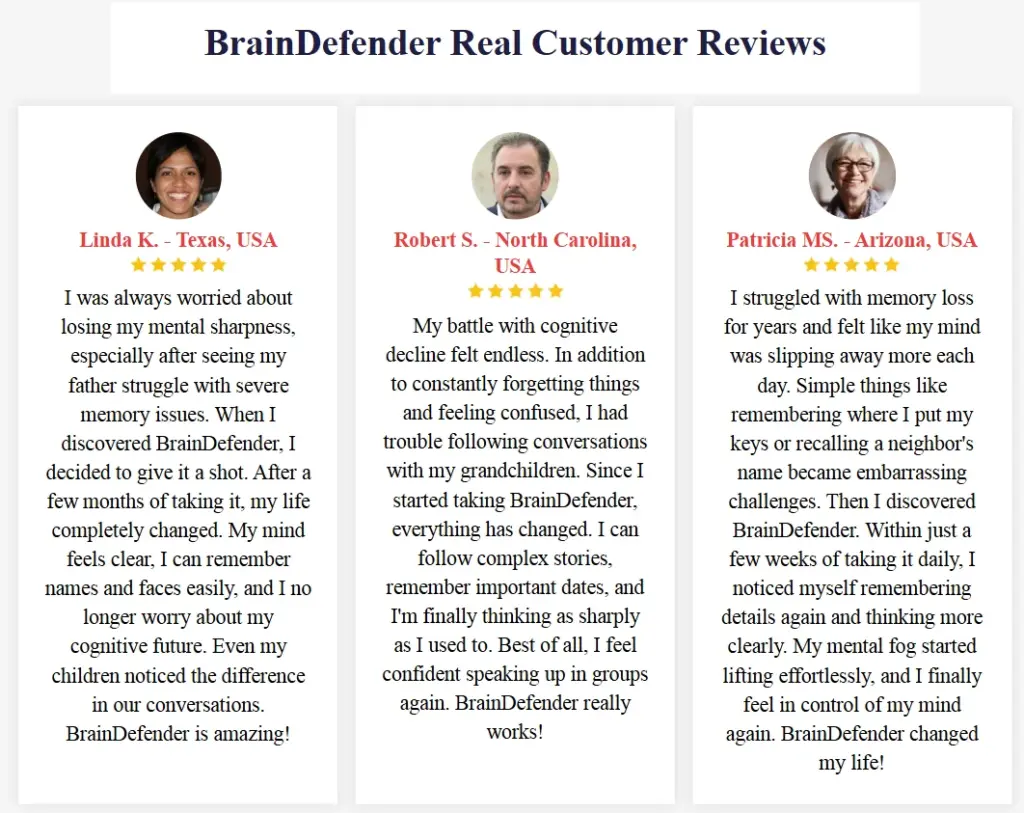
4. Manipulation of Customer Reviews: The official website prominently displays highly positive testimonials and dramatic before-and-after photos of people supposedly acing complex tasks after years of brain fog. However, there is often little evidence that these reviews come from verified purchasers. Many testimonials lack independent verification and appear heavily curated to highlight only favorable experiences while excluding criticism.
5. Subscription Traps and Hidden Auto-Ship: Numerous complaints associated with a Brain Defender capsules purchase involve recurring billing programs and automatic shipment enrollments. Some consumers report unexpected charges, difficulties canceling subscriptions, delayed refunds, and unresponsive customer support. Buyers are often enrolled without clear, upfront consent.
6. Premium Pricing for Common Ingredients: The product is marketed as a breakthrough brain solution, yet many of its advertised ingredients, such as basic Ginkgo Biloba and B-Vitamins, are commonly found in inexpensive dietary supplements at local pharmacies. The Brain Defender supplement is priced at a massive premium, but without independent testing, consumers are just paying for cheap, widely available compounds.
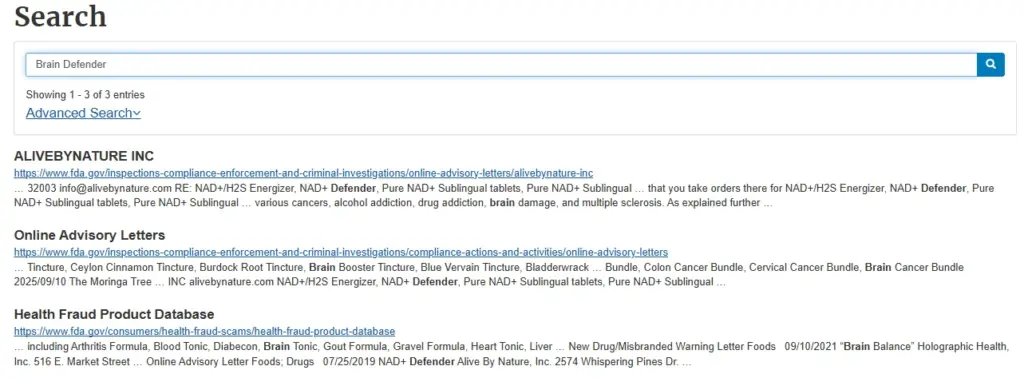
7. Lack of FDA Approval and Independent Third-Party Testing: There is no verifiable FDA approval or independent lab testing for this product. Without third-party verification, consumers cannot confirm ingredient purity, safety, or dosage accuracy.
Is Brain Defender a Scam or Legit?
Brain Defender is a scam. Although it is marketed as an effective cognitive management supplement, it shows several warning signs commonly linked to deceptive products. The brand relies on exaggerated mental clarity claims, fake medical endorsements, and weak seller transparency with little accountability. There is no clearly verified manufacturer, no confirmed ingredient transparency, and no public evidence of clinical testing. In addition, many buyers report little to no noticeable improvement in their memory or focus, along with frustration over misleading product claims and refund issues. Overall, it appears designed more to persuade buyers through marketing than to demonstrate real health benefits.
What Brain Defender Lacks vs. What a Legit Supplement Should Have
The differences between this product and a legitimate, science-backed brain health supplement are clear and deeply concerning. The table below highlights the most critical warning signs uncovered during our fraud check:
| Brain Defender | Legit Brain Health Supplement |
|---|---|
| Anonymous ownership and unclear manufacturing | Transparent company information and verified facilities |
| Fake doctor/expert endorsements | Real medical professionals with verifiable credentials |
| No third-party testing | Independent laboratory verification of ingredient purity |
| Unrealistic performance claims | Evidence-based and conservative claims |
| Manipulated customer testimonials | Authentic reviews on neutral platforms |
| Hidden subscription billing practices | Transparent pricing and clear refund policies |
Brain Defender Complaints and Reviews
To avoid bias, we reviewed complaints and customer feedback from neutral discussion forums, Reddit threads, Quora posts, and independent review platforms instead of relying on testimonials shown on official promotional websites.
Arthur Ellison, Vancouver, Canada (Age 67, Male)
Source: Reddit
I saw a lot of ads for Brain Defender and decided to give it a try. After using it for almost a month, I honestly didn’t notice any major difference. The biggest issue was the price compared to what I received. I also couldn’t find much information about testing or where the ingredients were sourced from.
Diane Chapman, Sydney, AUS (Age 58, Female)
Source: Facebook
I ordered Brain Defender because the advertisement made it sound like a scientifically backed brain supplement. After taking it for several weeks, I didn’t experience the changes I was expecting. I also wish the company provided more transparency about testing and ingredients.
Robert Ogden, Chicago, USA (Age 71, Male)
Source: Quora
I tried Brain Defender after seeing multiple online promotions. The experience was average at best. I didn’t notice significant improvements, and I think people should research the ingredients and company information before purchasing. got this weird red pigments.

Karen White, London, UK (Age 52, Female)
Source: BBB
I purchased Brain Defender after seeing strong claims online. Unfortunately, the product did not meet my expectations, and I felt the advertising was much stronger than the actual results. I would like more transparency about ingredients, testing, and refund procedures.
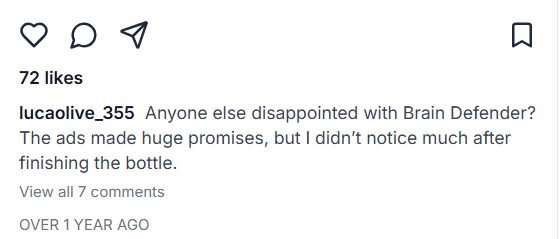
Lucas Oliver, Dublin, Ireland (Age 64, Male)
Source: Instagram
Brain Defender Ingredients Review: Inside the Product
In this ingredients review, the main issue with these brain health capsules is their unverified formula. While it claims to improve memory, eliminate brain fog, and restore vitality, the complete lack of ingredient transparency and independent testing makes it unreliable and potentially unsafe.
- Ginkgo Biloba Extract: Marketed to support cerebral blood flow and memory function, though the exact flavonoid concentration and purity standards remain undisclosed.
- Bacopa Monnieri: Promoted for enhancing memory retention and learning speed, yet active bacoside content and ingredient sourcing are unclear.
- Lion’s Mane Mushroom: Claimed to support nerve growth factor and cognitive health, but the specific extract form and dosage are not consistently disclosed.
- Phosphatidylserine: Advertised to assist in cell membrane integrity and mental processing, but actual potency and effectiveness within the formula remain unknown.
- Vitamin B12: Marketed to promote nerve health and energy production, though quality testing and concentration levels are not publicly verified.

Brain Defender Ratings
The ratings for the product are misleading and unreliable. High scores displayed on promotional websites appear heavily manipulated, while independent consumer platforms reveal widespread dissatisfaction, ineffective results, and clear warning signs commonly associated with scam supplements.
| Website | Rating | Reliability Assessment |
|---|---|---|
| Amazon | N/A | Unreliable listings and inconsistent seller information. |
| Walmart | N/A | No verified retail presence found. |
| BBB | Unrated | No accredited business profile available. |
| Official Website | 4.9 / 5 | Reviews may be filtered or selectively displayed. |
Brain Defender Scam Risk Score
To assess overall consumer risk, the brand was evaluated across several critical scam indicators including transparency, scientific evidence, customer complaints, and marketing honesty. The results reveal extremely high scam risk and major concerns regarding consumer safety and product credibility.
| Metric | Risk Score (0–10) | Assessment |
|---|---|---|
| Unverified Claims | 10/10 | Promotes significant benefits without strong scientific evidence. |
| Ingredient Transparency | 9/10 | Key dosage, sourcing, and testing details are not fully disclosed. |
| Customer Complaints | 9/10 | Reports include poor results, billing issues, and refund concerns. |
| Manufacturer Transparency | 10/10 | Limited verifiable information about the company or manufacturing process. |
| Marketing Honesty | 9/10 | Uses exaggerated claims and urgency-driven promotional tactics. |
| Overall Scam Risk Score | 9.4 / 10 | Extremely High Risk |
Fake Brain Defender Websites
Multiple deceptive websites promote the brand using fake health articles, fabricated medical advice, and misleading dementia warnings while redirecting consumers into anonymous supplement sales funnels and questionable checkout pages.
| Website URL Type | Warning Signs |
|---|---|
| Fake Health News Pages | Disguised as medical news or research articles but ultimately redirect visitors to a supplement sales page. |
| Affiliate Review Blogs | Extremely positive reviews with little criticism, promotional language, and affiliate links designed to generate commissions. |
| Official Websites | Use countdown timers, limited-stock alerts, and other fake scarcity tactics to pressure immediate purchases. |
| Social Media Ad Links | Redirect users through multiple anonymous landing pages before reaching a checkout page, making it difficult to verify the seller. |
How We Investigated Brain Defender
Our investigation into the brand followed a structured, evidence-based process designed to uncover misleading marketing practices and evaluate the product’s credibility, safety, and consumer risk factors.
Analyzing Customer Complaints: We reviewed consumer reports from Reddit, Quora, and Facebook documenting issues such as a lack of visible cognitive improvement, insomnia, unexpected billing charges, and refund denials.
Scrutinizing Marketing Tactics: We examined aggressive online ads, fake limited-time offers, AI-generated endorsements, and exaggerated claims promising unrealistic brain transformation results.
Conducting a Fraud Check: Using domain and business lookup tools, we found the manufacturer of the product is entirely anonymous with hidden ownership records.
Verifying Claims vs. Evidence: Marketing claims about memory regeneration, focus enhancement, and mental clarity were cross-checked with real user feedback, revealing little to no measurable improvement.
Checking for Counterfeit Warnings: Complaint forums revealed multiple scam-style websites using the brand name to sell unverified cognitive products.
How to Identify Scam Supplements Like Brain Defender
Scam supplements like this frequently rely on exaggerated brain health claims, fake medical endorsements, and manipulative marketing tactics to appear trustworthy. Before purchasing any dietary supplement, consumers should carefully verify ingredient transparency, independent testing, company legitimacy, and authentic customer feedback from neutral platforms.
Promises of Miracle Performance: Legitimate supplements do not claim instant memory regeneration, rapid brain fog reversal, or dramatic focus increases within days without proper medical care and healthy lifestyle support.
Anonymous or Hidden Company Information: Avoid products that provide no verifiable business name, physical address, or transparent contact information. Scam operators often hide ownership details to avoid accountability and complicate refund requests.
No Third-Party Testing or Quality Certifications: Reputable supplement brands provide independent laboratory testing to verify ingredient purity, dosage accuracy, and product safety. Scam supplements typically lack credible certifications.
Fake Reviews and High-Pressure Sales Tactics: Deceptive brands commonly use fake testimonials, AI-generated endorsements, countdown timers, limited stock warnings, and fabricated success stories to pressure buyers. Always check unbiased platforms to find genuine reviews.
Hidden Subscription and Recurring Billing Schemes: Fraudulent supplement companies frequently enroll buyers into automatic monthly billing programs that are notoriously difficult to cancel, allowing scammers to continue charging customers long after the initial purchase.
Brain Defender Side Effects
The product contains unverified herbal ingredients, undisclosed active compound concentrations, and unknown dosages, making potential side effects unpredictable and potentially dangerous:
- Headaches, dizziness, or severe jitteriness linked to unverified stimulants or hidden synthetic nootropics.
- Insomnia, anxiety, or restlessness associated with excessive caffeine or unlisted stimulant concentrations.
- Digestive irritation, nausea, or stomach cramps associated with poorly balanced herbal extracts.
- Allergic reactions, skin sensitivity, or rashes triggered by unknown botanical extracts, artificial colors, or capsule preservatives.
- Potentially dangerous interactions with prescription antidepressants, blood thinners, or existing neurological therapies due to a lack of safety testing.
Brain Defender Refund Process
Do not rely solely on customer support, as many buyers report delayed replies, automated responses, or unresolved refund requests. To protect yourself and recover your money:
- Contact your bank or credit card provider immediately and report the transaction as potentially fraudulent or misleading.
- Provide purchase details, screenshots, order confirmations, and website information as evidence during your dispute process.
- Request a chargeback citing deceptive advertising, misleading health claims, or unauthorized billing practices.
- File complaints with consumer protection agencies and relevant authorities to document the issue officially.
- Ask your bank to block the merchant and prevent recurring charges or future unauthorized billing attempts.
Expert-Reviewed & Customer-Approved
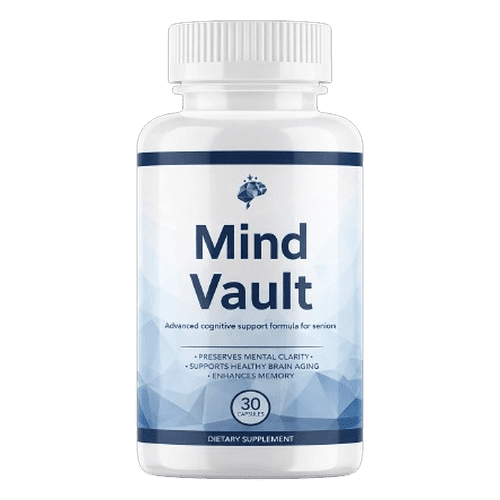
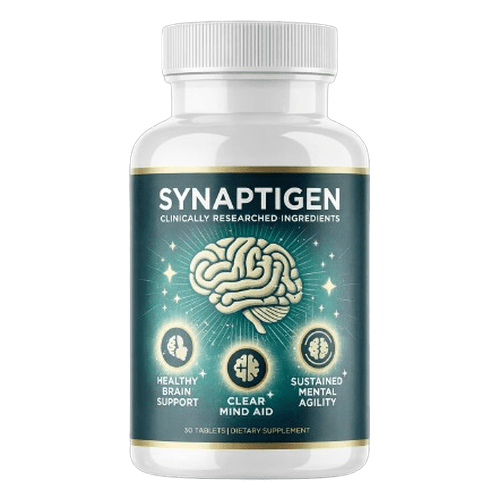
Final Verdict: Are Brain Defender Capsules Worth It?
No, Brain Defender is not worth it. The product is a dangerous scam that may put both your money and health at risk. Buyers are likely to receive ineffective or untested capsules from an anonymous, untraceable seller. To stay safe, only choose brain health products from established brands with verified ingredients, transparent manufacturer details, and authentic customer feedback on reputable retail platforms.
Frequently Asked Questions (FAQ)
How do I know if Brain Defender is real?
Legitimate brain health supplements are sold by transparent brands with verifiable manufacturer details and independent testing. If you find the product through aggressive ads, fake health blogs, or suspicious websites, it is likely part of a deceptive marketing operation rather than a trustworthy supplement.
What are the side effects of the Brain Defender supplement?
Users report headaches, jitteriness, insomnia, and potential anxiety due to unverified ingredients, unknown active compound concentrations, and the risk of hidden synthetic analogs. Risks are much higher for individuals already taking neurological or psychiatric medications.
Is a Brain Defender product safe to use?
Safety cannot be guaranteed. The ingredient list lacks transparency, dosages remain unverified, and there is no independent testing confirming purity or quality. Using an unregulated diet pill may expose consumers to unnecessary health risks.
Has anyone used Brain Defender? What were the results?
Independent reviews show that many users experience little to no improvement in memory, focus, or mental clarity, while some report adverse side effects, refund problems, and frustration after purchasing the supplement through misleading promotional websites.
Is the Brain Defender brain supplement approved by the FDA?
No. This product has no FDA approval and does not appear to meet the safety or testing standards expected from regulated medical or pharmaceutical products marketed for cognitive support.
Where can I buy the real Brain Defender?
There is no verified source confirming a genuine version of the brain health formula. Avoid buying from pop-up ads, affiliate websites, or suspicious checkout pages. Stick to supplements sold by reputable brands with transparent manufacturing information.
Are there fake Brain Defender websites?
Yes. Many fraudulent websites promote the capsules using fake reviews, countdown timers, fabricated health stories, and misleading discounts designed to pressure consumers into making quick purchases through anonymous sales pages.
Does the Brain Defender formula really work for brain health?
No reliable evidence proves the supplement effectively improves memory, eliminates brain fog, or enhances focus as advertised. Verified user feedback frequently reports no meaningful changes after consistent use.
Who makes the Brain Defender capsules?
The manufacturer behind the product is unknown. There are no verified company details, transparent ownership records, or confirmed production facilities, making the supplement highly questionable and difficult for consumers to verify or trust.
How can I avoid Brain Defender scams online?
Avoid products promoted through social media ads, fake medical endorsements, or urgent limited-time sales funnels. Always research independent reviews and purchase only from trusted brands offering transparent testing, ingredient disclosure, and legitimate customer support.
Sources
- Chatterjee, A. and Chatterjee, A., 2013. Brain enhancement in healthy adults. Neuroethics in practice, pp.3-15. Available at: https://books.google.com.np/books?hl=en&lr=&id=QeVoAgAAQBAJ&oi=fnd&pg=PA3&dq=Brain+Enhancement&ots=HlhuB_0XOm&sig=NdZAEe9X0Xp8_JIe4OMaN2jaMhI&redir_esc=y#v=onepage&q=Brain Enhancement&f=false
- Sandberg, A., 2011. Cognition enhancement: Upgrading the brain. Enhancing human capacities, pp.69-91. Available at: https://onlinelibrary.wiley.com/doi/abs/10.1002/9781444393552.ch5
- Smirniotopoulos, J.G., Murphy, F.M., Rushing, E.J., Rees, J.H. and Schroeder, J.W., 2007. Patterns of contrast enhancement in the brain and meninges. Radiographics, 27(2), pp.525-551. Available at: https://pubs.rsna.org/doi/abs/10.1148/rg.272065155
- Gazzaniga, M.S., 2005. The ethical brain. Dana press. Available at: https://psycnet.apa.org/record/2005-08974-000
- Suthana, N., Haneef, Z., Stern, J., Mukamel, R., Behnke, E., Knowlton, B. and Fried, I., 2012. Memory enhancement and deep-brain stimulation of the entorhinal area. New England Journal of Medicine, 366(6), pp.502-510. Available at: https://www.nejm.org/doi/full/10.1056/NEJMoa1107212

Konstantinos Chiotis, M.D., Ph.D., is a cognitive neurologist, Assistant Professor at Karolinska Institutet, and clinician at Karolinska University Hospital with expertise in neurodegenerative disorders, cognitive health, and advanced brain imaging. His research focuses on developing neuroimaging biomarkers for conditions such as Alzheimer's disease, with extensive experience spanning clinical neurology, neuroscience research, and academic medicine. Dr. Chiotis has also completed postdoctoral research at the University of California, San Francisco, where he contributed to studies on multimodal neuroimaging and dementia. As a reviewer for Supplement dolphin, he evaluates brain health and cognitive support supplements by assessing ingredient quality, scientific evidence, formulation transparency, safety considerations, and the biological rationale behind product claims. His reviews are grounded in current scientific literature and clinical understanding, helping readers distinguish evidence-based information from marketing hype. Dr. Chiotis is committed to promoting trustworthy, balanced health content that supports informed consumer decisions and realistic expectations about cognitive wellness.